Finding Premium Noise-Canceling Headphones: What to Know Before Buying
Wireless Active Noise Canceling (ANC) headphones insulate long commutes, plane flights, and open-plan offices. While many audio brands promise silence and studio-quality sound, too many headphones on the market suffer from weak noise cancellation, uncomfortable clamping force, and muddy audio tuning. When headphone makers compromise on design, listeners pay the price in ear fatigue and background noise leakage.
Poor ANC performance isn’t bad luck—it’s a failure of acoustic design. When brands use sub-par microphones, ignore headband ergonomics, or skip high-resolution codecs, product performance suffers. Background chatter, engine drone, and short battery life aren't inevitable; they occur when key audio specs are ignored.
Many consumers find headphone buying frustrating. They worry about headband pressure during long flights, poor call quality in noisy areas, or wireless connection drops. Others buy headphones based on celebrity endorsements—only to be disappointed by build quality. Audio brands often rely on heavy bass tuning to mask mediocre clarity.
Audio industry standards are clear: premium wireless headphones must balance active cancellation, acoustic accuracy, and physical comfort. When headphones fall short, listening fatigue sets in. Audio testing exists to evaluate claims—and to hold audio brands accountable to sound quality.
Audio Engineering and Noise Cancellation Standards
Headphone quality is evaluated by active noise attenuation, driver frequency response, and long-wear comfort. On commutes or flights, performance depends on external microphone arrays and acoustic chamber sealing.
Active Noise Cancellation vs. Passive Isolation
Headphone manufacturers are evaluated on:
- Canceling low-frequency engine sound and ambient noise
- Providing clear, natural transparency modes
- Delivering balanced sound profiles across volume levels
- Maintaining stable Bluetooth connections with multipoint support
Listeners choose the audio content—but headphones cannot deliver clear sound if environmental noise bleeds past weak ANC processing.
Over-Ear vs. On-Ear Form Factors
Performance issues most often surface in:
- Earcup padding materials
- Headband tension points
- External beamforming microphones
- Physical control buttons or touch pads
- Folding hinge mechanisms
Even with high-resolution audio files, music quality suffers if ear cushions fail to create a proper seal around the ears.
Why Ergonomics and Codecs Matter Physically and Technically
The core technical metrics are seal and processing. If earcups squeeze too tightly, wearers experience headaches; if Bluetooth codecs compress audio heavily, fine details are lost.
Common Examples of Headphones Shortfalls
Weak Low-Frequency Cancellation
Basic ANC processing fails to filter out deep cabin noise during flights or train commutes.
Harsh Clamping Force
Excessive tension across the headband causes temple and jaw soreness during extended listening sessions.
Artificial Sounding Transparency Modes
Low-quality passthrough audio sounds metallic, distorted, or overly windy outdoors.
Poor Microphone Performance in Wind
Microphones pick up ambient street noise and wind draft, making voice calls difficult for the listener on the other end.
Shallow Earcup Depth
Ears pressing directly against internal driver grilles leads to discomfort within an hour of use.
Compressed Audio Codecs Only
Lack of LDAC, AAC, or aptX support reduces wireless sound resolution on modern playback devices.
Short Real-World Battery Life
Battery life claims drop significantly when ANC and higher listening volumes are engaged.
Flimsy Hinge and Swivel Joints
Plastic headband hinges break easily when stowed in crammed travel bags.
Who Is Protected Under SearchNShop Buying Guidelines?
Frequent Travelers and Commuters
Passengers need effective noise cancellation to reduce travel fatigue on flights and trains.
Remote and Office Professionals
Workers require clear microphone pickup for video meetings in busy environments.
Audiophiles and Music Lovers
Listeners demand balanced soundstages, clear highs, and controlled bass performance.
Everyday Media Viewers
Users benefit from low-latency Bluetooth pairing when watching movies or gaming.
What to Do Before Buying Wireless ANC Headphones
Identify Primary Use Cases
Your listening comfort comes first. Determine whether your priority is maximum flight noise reduction, office calls, or exercise stability.
Test Clamping Pressure and Weight
Review headphone weight and headband padding thickness to prevent head strain.
Verify Bluetooth Codec and Multipoint Support
Ensure seamless switching between your laptop and phone with Bluetooth multipoint connectivity.
Check Battery Life Ratings with ANC On
Verify playback hours with ANC enabled, along with quick-charging features.
Review Included Travel Accessories
Confirm that a protective hard case and 3.5mm audio cable are included for wired backup.
Avoid Buying for Heavy Bass Alone
Don't sacrifice vocal clarity and soundstage balance for artificially boosted low-end frequencies.
Consult SearchNShop Buying Guides Promptly
Early research helps:
- Avoid flimsy, uncomfortable headbands
- Identify industry-leading ANC processors
- Verify call quality in noisy settings
- Secure maximum long-term audio value
Comparative Evaluation in Audio Gear
Audio shopping follows a comparative evaluation system, balancing noise attenuation, sound quality, comfort, and battery endurance against price.
Retailers often promote fashion-forward headphone brands. These marketing claims are negotiable—and beatable. Even under a strict budget, you can find quiet, great-sounding headphones. Audio brands don't get a pass just because a logo is popular.
Marketing Tactics Used to Overcharge
Common tactics include:
- Labeling basic passive isolation as "Active Cancellation"
- Boosting bass to obscure poor mid-range audio clarity
- Quoting battery life figures with ANC turned completely off
Manufacturer Responsibility for Acoustic Performance
Duty to Provide Accurate Audio Specs
Brands must provide transparent specs regarding driver size, frequency response, battery life, and codec support. This includes:
- Tested ANC noise reduction depth
- Clear microphone specs for voice capture
- Durable headband and hinge construction
- Reliable multi-device pairing support
Products That Trigger Disappointment
Buyers should avoid headphones with:
- High background hiss when ANC is engaged
- Loose, sliding headband adjustments
- Unresponsive touch controls
- Thin ear pads that wear down quickly
Prior Model Durability History
Product history is key. If prior models suffered from cracking headbands or failing batteries, consider alternative brands.
Value Available in Premium Headphone Purchases
Noise Reduction and Focus Improvement
Effective noise cancellation reduces auditory distractions in busy work environments.
Long-Wear Comfort During Travel
Memory foam padding and balanced clamping force keep listening comfortable during long trips.
High-Resolution Wireless Audio
Modern audio codecs deliver detailed instrument separation and rich sound fidelity.
Products Worth Considering
Once you know which features matter to you, comparing a few specific products can make the decision more concrete. The following options are drawn directly from the SearchNShop product catalog:
- Sony WH-1000XM5 Wireless Noise-Canceling Headphones — review the current product details, price, and availability on SearchNShop.
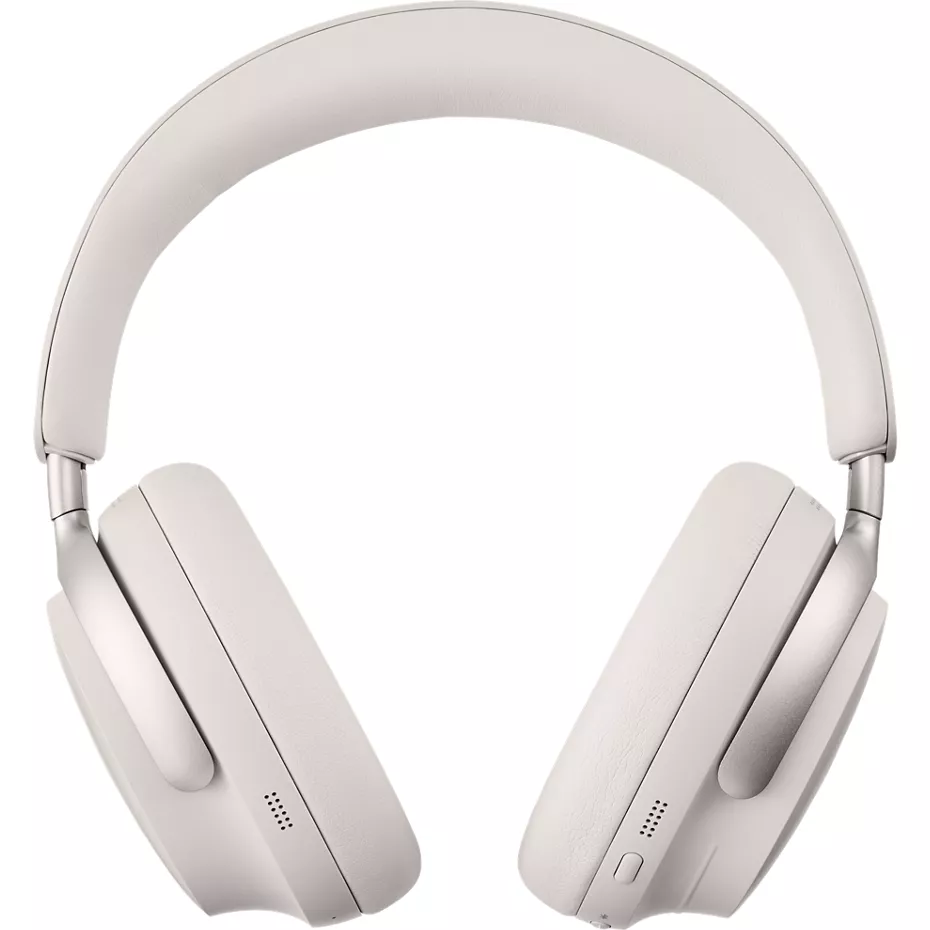
- Bose QuietComfort Ultra Wireless Headphones — review the current product details, price, and availability on SearchNShop.
Great Audio Is a Right—Not a Luxury
No one should endure ear pain or noisy commutes simply because a brand favored style over acoustic design. High-quality audio gear is a daily comfort—not a luxury. When audio brands release sub-par products, listening experiences suffer.
Sub-par headphone performance is preventable. Weak ANC processors don't improve on their own. Poor microphoning doesn't fix itself on calls. Hard headbands don't become softer with time. These issues stem from compromised engineering—and brands should be evaluated on real performance.
Good research does more than save money. It protects your ears from fatigue, exposes poor audio products, and helps you enjoy your favorite music. Audio quality matters—for your ears and your peace of mind.
At SearchNShop, we evaluate rigorously—and we don't hold back—because listeners deserve clear sound and genuine comfort.
Contact SearchNShop for Product Recommendations
- 🌐 Website: https://www.searchnshop.com/