
Choosing Wireless Headphones: The Features That Actually Matter
Choosing Wireless Headphones: The Features That Actually Matter
Wireless headphones can look remarkably similar on a product page, yet the experience can be very different once you start using them every day. Sound, comfort, noise cancellation, battery life, call quality, and device switching all affect whether a pair becomes a daily essential or ends up in a drawer. The right choice therefore starts with your routine rather than with a single specification or a promotional feature.
A useful buying guide should make the decision easier, not push you toward the most expensive option. The goal is to understand which features will have a meaningful effect on everyday use, where compromises are acceptable, and which specifications are worth paying attention to before you commit to a purchase.
Start With Where You Will Use Them
Think about the environments where the headphones will spend most of their time. Commuters may benefit from effective noise cancellation and a secure fit, while people working from home may place greater value on microphone quality and reliable multipoint connections. Travelers often care about battery life, portability, comfort during long sessions, and whether the headphones can still be used with a cable when wireless power runs out. If you primarily listen at home, comfort and sound quality may matter more than extreme noise cancellation.
When comparing products in this category, it is helpful to judge this factor alongside your budget, usage frequency, existing setup, and expected ownership period. A feature that looks valuable on a specification sheet may have little practical benefit if it does not solve a problem you regularly encounter. Conversely, a seemingly minor convenience can become important when you use the product every day.
Sound Quality Is More Than a Specification
Headphone specifications can tell you useful things, but they rarely describe the complete listening experience. Consider the type of content you consume most often. Music listeners may care about tonal balance, bass control, vocal clarity, and detail, while podcast and audiobook listeners may prioritize clear speech. If you play games or watch films, separation and spatial presentation can become more important. Reviews that describe the overall tuning and behavior across different types of content can be more useful than focusing on one technical number.
When comparing products in this category, it is helpful to judge this factor alongside your budget, usage frequency, existing setup, and expected ownership period. A feature that looks valuable on a specification sheet may have little practical benefit if it does not solve a problem you regularly encounter. Conversely, a seemingly minor convenience can become important when you use the product every day.
Noise Cancellation and Transparency
Active noise cancellation is particularly helpful with steady background sounds such as airplane engines, trains, air conditioning, or busy offices. However, cancellation strength is not the only consideration. Transparency or ambient modes can make it easier to hear announcements and conversations without removing the headphones. Some buyers also prefer the natural sound of passive isolation. Think about whether you need isolation for concentrated work, travel, exercise, or casual listening before paying extra for advanced noise-control features.
When comparing products in this category, it is helpful to judge this factor alongside your budget, usage frequency, existing setup, and expected ownership period. A feature that looks valuable on a specification sheet may have little practical benefit if it does not solve a problem you regularly encounter. Conversely, a seemingly minor convenience can become important when you use the product every day.
Comfort Matters More Than Most Buyers Expect
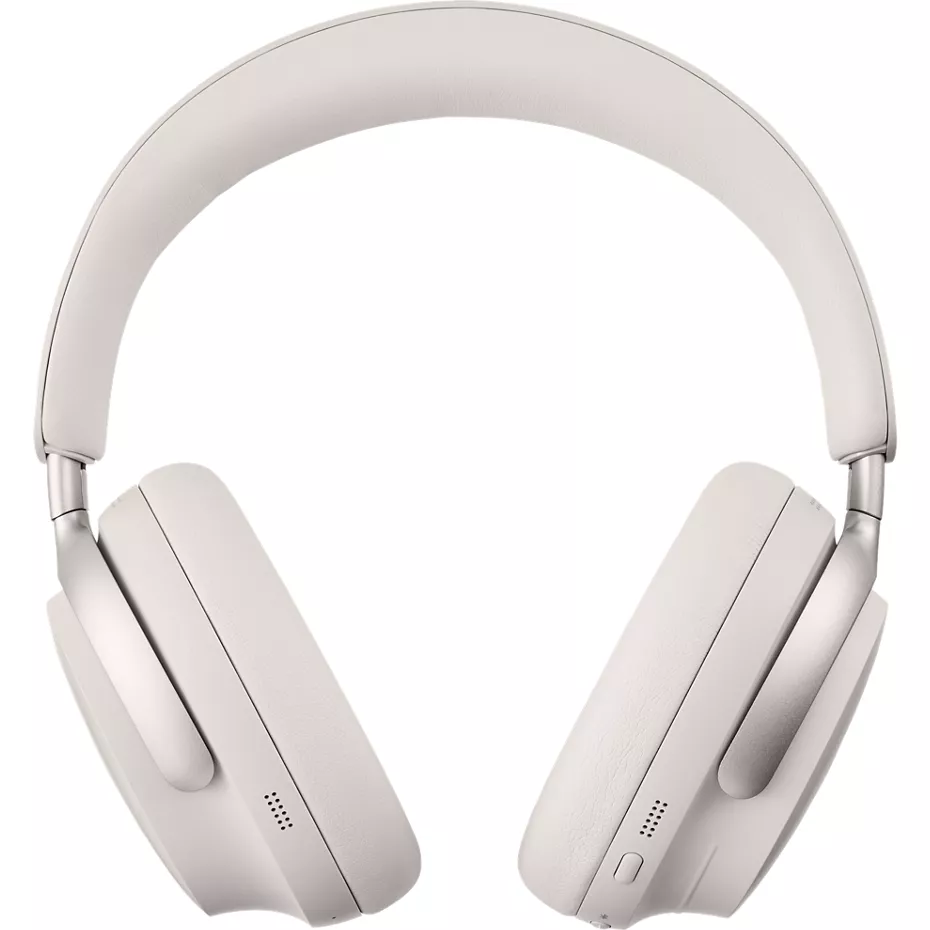
A pair of headphones can sound excellent and still be a poor purchase if it becomes uncomfortable after an hour. Weight, ear-cup depth, padding, headband pressure, clamping force, and heat buildup all affect long-session comfort. People with glasses or different head shapes may experience fit differently from what a product photo suggests. If you plan to wear headphones throughout a workday or on long journeys, comfort should be treated as a core buying requirement rather than a secondary preference.
When comparing products in this category, it is helpful to judge this factor alongside your budget, usage frequency, existing setup, and expected ownership period. A feature that looks valuable on a specification sheet may have little practical benefit if it does not solve a problem you regularly encounter. Conversely, a seemingly minor convenience can become important when you use the product every day.
Battery Life and Charging
Look at battery life in the context of your actual routine. A very long rating is useful for frequent travelers, but fast charging can be equally valuable for someone who usually tops up between meetings. Check whether the quoted endurance changes when noise cancellation is enabled and whether wired listening is supported. A convenient charging method and a battery that fits your schedule can be more useful than choosing the model with the highest headline number.
When comparing products in this category, it is helpful to judge this factor alongside your budget, usage frequency, existing setup, and expected ownership period. A feature that looks valuable on a specification sheet may have little practical benefit if it does not solve a problem you regularly encounter. Conversely, a seemingly minor convenience can become important when you use the product every day.
Calls, Microphones, and Connectivity
If the headphones will be used for meetings, calls, or voice messages, microphone performance deserves separate attention. Background-noise handling and voice clarity can vary considerably between models. Multipoint pairing can also be valuable when moving between a phone and computer. Before buying, check the Bluetooth features, supported devices, controls, app requirements, and whether switching between devices works in the way you expect.
When comparing products in this category, it is helpful to judge this factor alongside your budget, usage frequency, existing setup, and expected ownership period. A feature that looks valuable on a specification sheet may have little practical benefit if it does not solve a problem you regularly encounter. Conversely, a seemingly minor convenience can become important when you use the product every day.
A Sensible Way to Compare Models
Build a shortlist using the same criteria for every model: comfort, sound, noise cancellation, battery, calls, connectivity, controls, portability, durability, warranty, and price. Decide which factors are essential and which are optional. This prevents an attractive premium feature from distracting you from a basic problem such as poor fit or unreliable connectivity.
When comparing products in this category, it is helpful to judge this factor alongside your budget, usage frequency, existing setup, and expected ownership period. A feature that looks valuable on a specification sheet may have little practical benefit if it does not solve a problem you regularly encounter. Conversely, a seemingly minor convenience can become important when you use the product every day.
Common Buying Mistakes to Avoid
One of the easiest mistakes is choosing a product from a single specification or a headline feature. A better approach is to identify your non-negotiables first, then compare the remaining options on usability, compatibility, durability, maintenance, warranty, and total cost. It is also worth checking the physical dimensions and accessories included, because an otherwise suitable product can become inconvenient if it does not fit your existing setup.
Another common mistake is comparing products only on their initial price. Consider recurring costs, replacement parts, consumables, accessories, and the likelihood that you will need to upgrade sooner than expected. A slightly higher upfront cost can represent better value when the product is more comfortable, durable, easier to maintain, or better suited to your routine.
Products Worth Considering
Once you know which features matter to you, comparing a few specific products can make the decision more concrete. The following options are drawn directly from the SearchNShop product catalog:
- ALIENWARE PRO WIRELESS GAMING HEADSET — review the current product details, price, and availability on SearchNShop.
- soundcore Space One Pro | FlexiCurve Over-Ear Headphone Jet Black — review the current product details, price, and availability on SearchNShop.
- Microsoft Xbox Wireless Headset — review the current product details, price, and availability on SearchNShop.
Common Buying Mistakes to Avoid
One of the easiest mistakes is choosing a product from a single specification or a headline feature. A better approach is to identify your non-negotiables first, then compare the remaining options on comfort, convenience, compatibility, durability, maintenance, warranty, and total cost. Also make sure the product fits your physical space and existing devices before placing an order.
A Simple Final Checklist
Before buying, write down your main use case, essential features, acceptable price range, compatibility requirements, physical constraints, maintenance expectations, and the features you are willing to compromise on. Check those points against your shortlist and verify the latest product information on SearchNShop before purchasing.
A Simple Final Checklist
Before buying, write down your main use case, essential features, acceptable price range, compatibility requirements, physical constraints, maintenance expectations, and the features you are willing to compromise on. Check those points against your shortlist and verify the latest product information on SearchNShop before purchasing. Taking a few minutes to make this comparison can prevent an expensive purchase from being driven by specifications that do not matter to you.