How to Choose a 4 Watt Night Light Bulb — Buying Guide
How to Choose a 4 Watt Night Light Bulb — Buying Guide
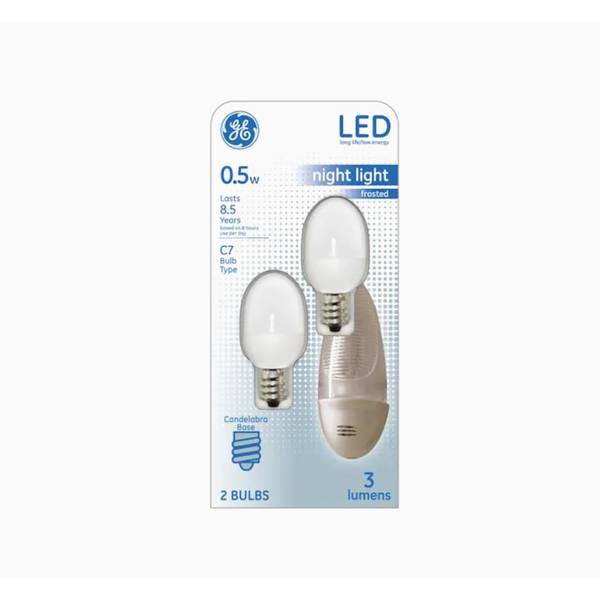
Choosing a small night light bulb looks simple until you compare wattage, base compatibility, bulb shape, brightness, color appearance, operating environment and the actual fixture where the bulb will be installed. The featured product, GE 4 Watt Clear Night Light Bulb, is a useful starting point because its name identifies a low-wattage, clear bulb intended for night-light use. Those details tell us where to begin, but they do not answer every compatibility question.
A good buying decision starts with the fixture rather than the package. Before ordering, identify the socket type, maximum permitted wattage, physical space, voltage requirements and the kind of light you want. Then compare equivalent bulbs using the same criteria. This approach is particularly helpful for first-time buyers because a bulb can be inexpensive and still be the wrong choice if it does not fit the socket or the fixture’s specifications.
View GE 4 Watt Clear Night Light Bulb on SearchNShop
Start With the Fixture
The most important information is usually printed on the fixture, its existing bulb or its documentation. Look for the socket or base type, voltage, maximum wattage and any restrictions on bulb size or shape. Do not assume that a bulb will fit because it looks similar to another bulb. Small differences in base design can prevent installation.
Also check the physical opening around the socket. A night-light fixture may have a small shade or enclosure that limits bulb dimensions. A clear bulb can change how much light passes through the fixture, but the final appearance still depends on the shade, diffuser and surrounding material.
Key Factors to Compare
- Wattage: The featured bulb is identified as 4 watts. Compare that rating with the fixture’s maximum permitted wattage and the brightness you actually need.
- Base or socket: Match the bulb base to the fixture exactly. This is a compatibility requirement, not a preference.
- Voltage: Verify that the bulb’s electrical requirements match the fixture and local supply.
- Bulb shape and size: Check both diameter and overall length when space is limited.
- Clear construction: A clear bulb can have a different visual effect from frosted or opaque alternatives, especially in an exposed night light.
- Brightness: Wattage is not a direct substitute for brightness. Compare the manufacturer’s stated light output when available.
- Color appearance: If the bulb’s color temperature or light appearance matters, check the actual specification rather than guessing from the bulb name.
- Usage pattern: Consider how long the bulb is typically left on and whether the fixture is used continuously or only at night.
- Fixture environment: Confirm whether the bulb is intended for the fixture’s enclosure and operating conditions.
Why the Featured Product Is a Useful Example
The listing for GE 4 Watt Clear Night Light Bulb gives shoppers a specific low-wattage option to evaluate. The 4-watt designation makes wattage an obvious part of the comparison, while the word “clear” raises questions about appearance and light distribution. However, the product title alone does not establish the correct base, voltage, lumens, color temperature or dimensions for every night-light fixture. Those details should be verified before purchase.
This distinction is important because shoppers often use wattage as a shortcut for brightness. Wattage describes electrical power consumption, while brightness is generally expressed through a separate light-output specification. If two bulbs have similar wattage but different technologies or designs, their light output can differ. For a night light, the desired level is also subjective: a hallway marker, child’s room, bathroom, bedside area and decorative fixture may each need a different amount of light.
Check the current GE 4 Watt Clear Night Light Bulb listing
How Wattage Should Influence Your Decision
A 4-watt bulb is a low-power choice compared with many general-purpose household bulbs, but “low wattage” does not automatically mean “dim” in every technology. When evaluating a bulb, look for the stated light output and compare it with the fixture’s purpose. A night light is usually meant to provide modest illumination or orientation rather than fully light an entire room.
The fixture’s maximum wattage is also important. Never install a bulb that exceeds the rating specified by the fixture. Staying within the fixture’s requirements is a basic compatibility and safety step. If the fixture documentation is missing, look for labeling on the fixture or seek guidance from a qualified professional rather than guessing.
Common Buying Mistakes
- Choosing by wattage alone: Wattage does not tell you everything about brightness, appearance or compatibility.
- Ignoring the base: A bulb with the wrong socket type will not solve the problem regardless of price.
- Skipping voltage checks: Electrical requirements need to match the fixture and supply.
- Assuming all night lights need the same brightness: Different rooms and purposes call for different light levels.
- Ignoring physical dimensions: A bulb can have the correct base and still be too large for the fixture.
- Confusing clear with frosted: The finish affects appearance and can influence how the fixture looks when illuminated.
- Forgetting the fixture maximum: Always stay within the fixture’s specified wattage limits.
- Assuming reviews replace specifications: User experiences are useful, but they cannot confirm your socket or electrical requirements.
- Buying a large quantity too early: Test one compatible bulb first when the fixture or desired light level is uncertain.
- Using old product information: Verify the current listing for price, stock and specifications before purchasing.
Expert Tips for a Better Buying Decision
Expert tip: Write down four things before shopping: socket type, voltage, maximum fixture wattage and the desired brightness. These four checks eliminate many unsuitable bulbs before you even start comparing brands or prices.
For a room with several night lights, compare them as a group. Consistent bulb appearance can make multiple fixtures look more intentional, while different brightness levels can be useful when the fixtures serve different purposes. If consistency matters, verify that the same model is currently available rather than assuming future stock will match.
Another useful approach is to think about nighttime comfort. A light used near a sleeping area may need a different appearance from one used in a hallway. Look at both the technical specification and the position of the bulb. A bright source in direct view can feel more noticeable than the same output behind a diffuser.
Explore the GE 4 Watt Clear Night Light Bulb listing
What to Check Before You Buy
Question: Does the base match? Why it matters: Socket compatibility is the first requirement.
Question: Is 4 watts within the fixture rating? Why it matters: The fixture’s maximum wattage must be respected.
Question: Is the voltage compatible? Why it matters: The electrical specification must match the intended installation.
Question: Is the bulb physically small enough? Why it matters: Night-light shades and enclosures can be tight.
Question: Is the light output suitable? Why it matters: A night light should provide the amount of illumination appropriate to its purpose.
Question: Do I want clear or diffused appearance? Why it matters: The bulb finish can affect the visual character of the fixture.
Frequently Asked Questions
Does 4 watts mean the bulb will be dim?
Not necessarily. Wattage measures power use, not directly the amount of light produced. Check the manufacturer’s stated light output and consider the fixture design.
Can I use any 4-watt bulb in a night light?
No. The base, voltage, physical dimensions and fixture rating must all be compatible.
What is the advantage of a clear bulb?
A clear bulb can provide a more direct and visible light-source appearance. Whether that is desirable depends on the fixture and your preferred look.
How do I know which bulb base I need?
Check the existing bulb, socket markings or fixture documentation. If the information is unclear, consult a qualified professional rather than guessing.
Should I compare lumens or watts?
Use lumens when comparing brightness and watts when considering power use and the fixture’s maximum rating.
Where should I verify the product details?
Check the live SearchNShop listing and the manufacturer’s documentation for current specifications, compatibility and operating information.
Final Takeaway
Buying a small night-light bulb is straightforward when you follow the right order: identify the fixture, match the base and voltage, check the maximum wattage, confirm physical dimensions, then compare brightness and appearance. The GE 4 Watt Clear Night Light Bulb is a concrete example of a 4-watt clear night-light bulb, but the correct purchase still depends on the fixture in which it will be used.
Return to the GE 4 Watt Clear Night Light Bulb product page
Product availability, pricing and specifications may change. Always verify the live listing and follow the fixture and manufacturer instructions before purchasing or installing a bulb.