How to Choose a Fully Automatic Belt-Drive Turntable — Buying Guide
How to Choose a Fully Automatic Belt-Drive Turntable — Buying Guide
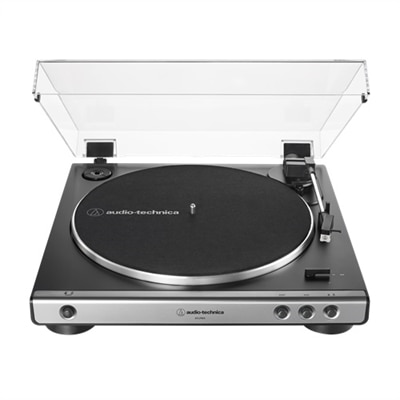
Choosing a turntable involves more than deciding whether you want to play vinyl. The drive system, automation, cartridge compatibility, outputs, placement, vibration control, setup requirements and listening environment can all affect the experience. The featured product, Audio-Technica Fully Automatic Belt-Drive Turntable, is a useful reference point because its name identifies two important characteristics: fully automatic operation and belt-drive design.
Those characteristics can be especially relevant to a first-time vinyl listener who wants a simpler start. At the same time, “fully automatic” does not mean every setup question disappears. A turntable still needs a suitable surface, compatible audio equipment and correct handling. The best buying decision comes from understanding what automation does for you and what it does not do.
View Audio-Technica Fully Automatic Belt-Drive Turntable on SearchNShop
Key Factors to Compare
- Drive system: A belt-drive design separates the platter drive from the motor through a belt. Compare the drive approach based on your priorities rather than assuming one system is universally better.
- Automation: Fully automatic operation can simplify starting and ending a record because the mechanism handles key tonearm movements. Verify exactly what the model automates.
- Cartridge and stylus: Check the supplied cartridge or stylus information and whether replacement options are available for your intended use.
- Output and phono requirements: Determine whether your amplifier or powered speakers accept the turntable’s output and whether a phono preamp is required or built in.
- Speed support: Confirm the record speeds supported by the turntable and whether they match the records you intend to play.
- Platter and mat: Look at the platter construction and included mat, while remembering that the overall setup matters more than a single material claim.
- Tonearm and tracking: Check the manufacturer’s specifications for the tonearm, tracking and adjustment options.
- Vibration and placement: A stable, level surface and sensible speaker placement can be important to everyday playback.
- Maintenance and replacement parts: Consider belt, stylus and other consumable or service needs over time.
Why the Featured Product Is a Useful Example
The SearchNShop listing for Audio-Technica Fully Automatic Belt-Drive Turntable provides a clear starting point for comparing automatic belt-drive turntables. “Fully automatic” signals an emphasis on convenience, while “belt-drive” identifies the mechanical drive approach. For a shopper, these terms should lead to specific verification questions: What operations are automatic? What cartridge is supplied? What outputs are provided? Is a phono preamp included? Which speeds are supported? What replacement stylus and belt options are available?
These details matter because turntable shopping often mixes lifestyle preferences with technical specifications. One buyer may value a straightforward start-and-stop experience, while another may prefer extensive manual adjustment. Neither preference is wrong. The important thing is to choose a mechanism that matches how you want to interact with your records.
Check the current Audio-Technica Fully Automatic Belt-Drive Turntable listing
What Does Fully Automatic Mean?
In a fully automatic turntable, the mechanism is designed to handle key tonearm movements for the user. Depending on the specific model, this can include moving the tonearm into position at the beginning of playback and returning it at the end. The exact behavior varies, so shoppers should read the manufacturer’s instructions rather than assuming every automatic model works identically.
Automation can be particularly helpful for beginners because it reduces the number of manual steps required to play a record. It can also be useful when several people share a system and want a consistent routine. On the other hand, listeners who enjoy manually cueing records or making detailed adjustments may prefer a different type of turntable.
Understanding Belt Drive
A belt-drive turntable uses a belt to transfer motor rotation to the platter. This design is common in consumer and enthusiast turntables, and it can be a sensible choice for shoppers who want a conventional vinyl setup. The important point is to evaluate the whole implementation rather than treating “belt drive” as a guarantee of a particular listening result.
Belts are also an ownership consideration. Over time, a belt may require replacement depending on the model, usage and manufacturer guidance. Before buying, check whether replacement belts are available and whether the process is documented. A small amount of maintenance is easier to manage when you know what it involves before purchase.
Common Buying Mistakes
- Buying without checking the audio system: The turntable needs to connect to compatible equipment, and phono requirements can differ.
- Assuming fully automatic means zero setup: Placement, connections and model-specific setup still matter.
- Treating belt drive as a universal quality ranking: Drive type is one part of a larger system.
- Ignoring replacement parts: Belts and styli can be maintenance items, so availability matters.
- Choosing only by appearance: A beautiful finish cannot compensate for incompatible outputs or unsuitable placement.
- Skipping speed checks: Confirm that the turntable supports the record speeds you intend to play.
- Putting the turntable on an unstable surface: Movement and vibration can interfere with practical playback.
- Ignoring cartridge information: Knowing the supplied cartridge and replacement stylus helps with long-term ownership.
- Assuming every automatic mechanism works identically: Read the model-specific manual and specifications.
- Using old product information: Verify the current listing and manufacturer documentation before buying.
Expert Tips for a Better Buying Decision
Expert tip: Start your comparison with the phrase “my existing system.” Write down your speakers, amplifier or receiver, and available inputs. Then eliminate turntables that do not integrate cleanly. This is more useful than starting with a price list because compatibility is a requirement rather than a bonus.
If convenience is a major priority, test your own preference mentally: Do you want to place a record on the platter, press a control and let the mechanism handle the tonearm? If yes, full automation may be a meaningful advantage. If you enjoy manually controlling the tonearm and adjusting the playback process, you may want a different category.
Keep a small ownership record with the turntable model, cartridge model, stylus type and belt information. That record can make maintenance easier and reduces the chance of ordering the wrong replacement component later.
Explore the Audio-Technica Fully Automatic Belt-Drive Turntable product page
What to Check Before You Buy
Question: What audio equipment will it connect to? Why it matters: The output configuration must match the rest of the system.
Question: What does “fully automatic” include? Why it matters: Automation features vary by model.
Question: Is a phono preamp included or required? Why it matters: This determines how the turntable integrates with your audio equipment.
Question: Which speeds are supported? Why it matters: Your record collection may use more than one speed.
Question: What cartridge and stylus are supplied? Why it matters: These are central to playback and future maintenance.
Question: Is the placement suitable? Why it matters: Stability and vibration control are practical parts of vinyl playback.
Frequently Asked Questions
Is a fully automatic turntable good for beginners?
It can be a convenient option because it reduces some of the manual steps involved in starting and ending playback. Check the model-specific automation features before buying.
Is belt drive better than direct drive?
Neither is universally better for every buyer. Drive type should be considered alongside automation, system compatibility, maintenance and intended use.
Do I need a phono preamp?
It depends on the turntable and the equipment you are connecting it to. Check whether the turntable includes the required phono stage and what inputs your audio system provides.
How often should a stylus or belt be replaced?
Replacement depends on the component, usage and manufacturer guidance. Follow the specific documentation and inspect or maintain components as recommended.
Can I put a turntable anywhere?
It is better to use a stable, level surface away from unnecessary vibration. Placement can affect the practical listening experience.
Where should I verify turntable specifications?
Use the live SearchNShop listing for current product information and the manufacturer’s documentation for detailed setup, connection and maintenance instructions.
Final Takeaway
The best way to choose a fully automatic belt-drive turntable is to start with your listening system and your preferred level of hands-on control. Check connections, phono requirements, automation functions, cartridge and stylus information, supported speeds, placement and maintenance. The Audio-Technica Fully Automatic Belt-Drive Turntable is a useful concrete example, but its suitability depends on how those specifications match your own setup.
Return to the Audio-Technica Fully Automatic Belt-Drive Turntable product page
Product availability, pricing and specifications may change. Always verify the live listing and follow the manufacturer’s setup, care and safety instructions before purchasing or operating audio equipment.