Selecting a Home Espresso Machine: What to Know Before Buying
Kitchen counters across the country feature home espresso machines and coffee setups. While many coffee lovers take their morning brew seriously, too many machines on the market are poorly calibrated, thermally unstable, and difficult to clean. When coffee equipment cuts corners, it’s home baristas who pay the price in bitter, inconsistent espresso.
Bad espresso isn’t bad luck—it’s a failure of thermal control and pressure stability. When buyers focus on pump pressure claims, ignore boiler design, or choose sub-par grinders, poor extraction becomes inevitable. Sour shots, weak steam, and clogged lines don’t just “happen.” They happen because equipment specs were overlooked.
Many buyers hesitate before ordering. They worry about steep learning curves, messy cleanups, or machine breakdowns. Others purchase budget steam-driven units repeatedly—only to be disappointed by watery drinks. Machine brands often rely on high-pressure claims to hide poor internal components.
Coffee industry principles are clear: consistent espresso requires precise temperature and pressure control. When machines fail to maintain stability, coffee quality plummets. Standardized testing exists to inform buyers—and to hold machine manufacturers accountable to brewing standards.
Espresso Machine Engineering in Home Kitchens
Espresso brewing relies on extracting soluble compounds using precise water temperature and stable water pressure. On kitchen counters, this performance relies on thermal mass and pump control.
Pump Pressure Ratings vs. Extraction Stability
Manufacturers are evaluated on:
- Maintaining ~9 bars of pressure at the brew head
- Keeping water temperature stable via PID systems
- Delivering adequate steam pressure for milk texturing
- Providing durable internal boilers or thermoblocks
Baristas supply fresh coffee beans—but machines cannot extract sweet espresso if water temperatures fluctuate wildly during brewing.
Integrated Units vs. Standalone Setups
Extraction issues most often surface in key operational areas:
- Built-in coffee grinders
- Portafilter group heads
- Steam wands
- Water reservoirs
- Drip tray capacities
Even with high-grade espresso beans, drinks suffer if the internal boiler loses temperature halfway through a shot.
Why Thermal Stability Matters Legally and Technically
The core engineering metric is stability. If an espresso machine cannot maintain water temperature within a narrow range, extraction quality varies from cup to cup.
Common Examples of Espresso Machine Failures
High Pressure Marketing Claims (15–20 Bars)
Excessive pump pressure without proper regulation channels water through coffee beds, causing harsh, bitter flavors.
Lack of PID Temperature Control
Unregulated thermoblocks result in water that is either too hot (burning coffee) or too cold (sour extraction).
Inferior Built-In Grinders
Low-quality burrs produce inconsistent particle sizes, causing shot channeling and uneven extraction.
Weak Single-Thermoblock Steam Pressure
Single heating blocks require long wait times to transition between espresso extraction and milk frothing.
Pressurized Portafilter Baskets
Pressurized baskets create artificial foam rather than authentic coffee crema, masking poor coffee extraction.
Plastic Internal Components
Cheap internal tubing and plastic group head mounts degrade rapidly under high heat and pressure.
Difficult Descaling Procedures
Complex maintenance paths lead to scale accumulation, reduced water flow, and premature pump failure.
Small Water Reservoirs
Undersized tanks require constant refilling, making hosting or multi-cup mornings inconvenient.
Who Is Protected Under SearchNShop Buying Guidelines?
Everyday Home Baristas
Coffee enthusiasts deserve equipment that produces cafe-quality drinks at home.
Beginners Transitioning from Pods
New brewers require intuitive interfaces and predictable extraction performance.
Milk Drink Aficionados
Latte and cappuccino drinkers need strong steam wands capable of creating microfoam.
Espresso Purists
Experienced brewers demand unpressurized baskets, PID control, and commercial-size portafilters.
What to Do Before Buying an Espresso Machine
Determine Your Primary Drink Preferences
Your mornings come first. Identify whether you primarily drink straight espresso shots or milk-based beverages before choosing a boiler style.
Check for PID Temperature Control
Ensure the machine includes electronic PID temperature regulation for consistent water heat.
Factor In Coffee Grinder Requirements
Pair your machine with a high-quality burr grinder if an integrated grinder is not included.
Measure Countertop Clearance
Check height clearance beneath upper kitchen cabinets, accounting for top-loading bean hoppers.
Review Daily Maintenance Steps
Confirm that group heads, steam wands, and drip trays are straightforward to clean daily.
Avoid Buying Based on Bar Pressure Numbers Alone
Ignore 15-bar marketing hype; verified 9-bar extraction produces superior espresso.
Consult SearchNShop Buying Guides Promptly
Early research helps:
- Avoid buying low-quality steam machines
- Select reliable dual-boiler or PID units
- Match your skill level to machine controls
- Optimize your overall coffee setup budget
Comparative Evaluation in Coffee Equipment
Coffee gear shopping follows a comparative evaluation system, where thermal stability, grinder quality, and steam power are weighed against initial price.
Retailers often promote overly complex machines. Sales claims are negotiable—and beatable. Even on a budget, you can pull great espresso shots. Brands don't get a pass just because a machine has a retro stainless-steel case.
Marketing Tactics Used to Overcharge
Common tactics include:
- Hyping 19-bar pumps while using cheap heating elements
- Selling plastic portafilters with faux chrome coatings
- Disguising pressurized baskets as "crema enhancers"
Manufacturer Responsibility for Machine Calibration
Duty to Provide Accurate Brew Specifications
Brands must provide clear information on boiler materials, portafilter sizing, and thermal controls. This includes:
- Verified portafilter size (e.g., 54mm or 58mm)
- Transparent boiler/heating element specs
- Clear descaling and care instructions
- Readily available replacement gaskets and screens
Products That Trigger Disappointment
Buyers should avoid machines with:
- Inconsistent extraction temperatures
- Weak, watery steam wands
- Non-replaceable group head gaskets
- Loud, vibrating internal pumps
Prior Machine Line Reliability
History matters. If a machine series has a record of leaking boilers or failing pump valves, evaluate alternative models.
Value Available in Home Espresso Purchases
Daily Cost Savings vs. Cafe Visits
Brewing espresso at home pays off over time compared to daily coffee shop purchases.
Custom Beverage Control
Adjust grind size, dose weight, extraction time, and milk texture to suit your taste.
Appliance Durability and Longevity
Well-built machines with brass group heads and stainless boilers last for years with basic care.
Products Worth Considering
Once you know which features matter to you, comparing a few specific products can make the decision more concrete. The following options are drawn directly from the SearchNShop product catalog:
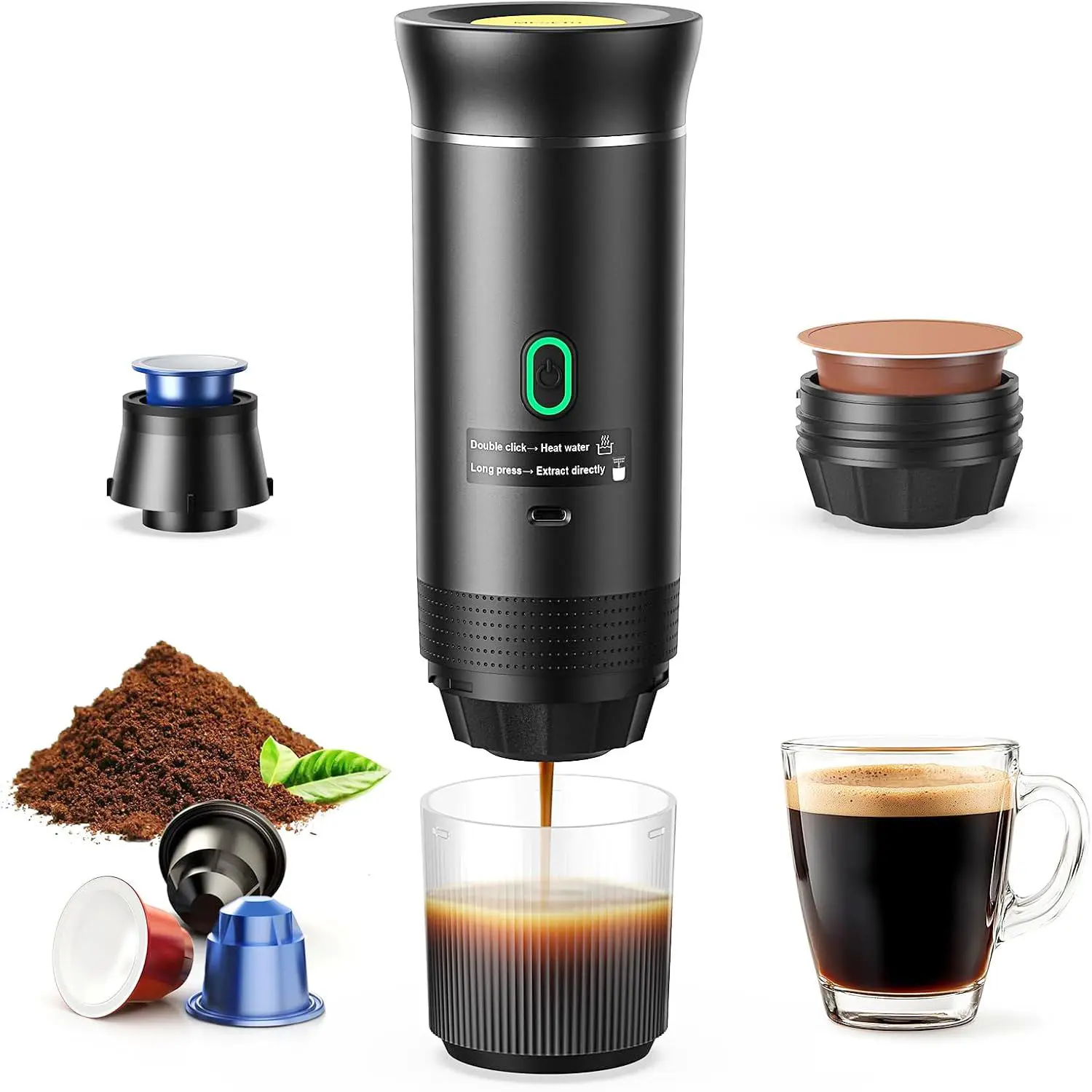
- Portable Electric Espresso Machine — review the current product details, price, and availability on SearchNShop.
- Aluminum Stovetop Espresso Maker — review the current product details, price, and availability on SearchNShop.
Great Coffee Is a Right—Not a Luxury
No one should drink bitter, lukewarm coffee simply because a brand put marketing ahead of thermal control. Excellent home coffee is an attainable comfort—not a luxury. When brands manufacture unstable machines, they ruin the home brewing experience.
Bad espresso is preventable. Unstable boilers don't calibrate themselves. Weak steam wands don't magically gain power. Low-quality burrs don't produce uniform grounds. These issues occur when machines lack proper engineering—and manufacturers must be evaluated on real performance.
Good research does more than save money. It improves morning routines, exposes unreliable appliances, and helps coffee lovers brew better drinks. Equipment quality matters—for your palate and your budget.
At SearchNShop, we test thoroughly—and we don't hold back—because home baristas deserve reliable tools for great coffee.
Contact SearchNShop for Product Recommendations
- 🌐 Website: https://www.searchnshop.com/