Choosing a Smart Air Purifier: What to Know Before Buying
Smart air purifiers are essential when indoor air quality drops, seasonal allergies flare up, or household dust becomes difficult to manage. While many manufacturers highlight app control and sleek aesthetics, too many units on the market are underpowered, loud, and inefficient. When air purifier performance is compromised, it is homeowners and families who pay the price in poor air quality.
Selecting the wrong device isn't bad luck—it’s a failure of specifications. When buyers ignore CADR ratings, overlook filter replacement schedules, or misunderstand coverage areas, poor air quality becomes inevitable. Ineffective filtration, high energy bills, and noisy operation don't just happen. They happen because critical features were overlooked before ordering.
Many shoppers feel overwhelmed by marketing jargon. They worry about overpaying for features they won't use or buying a unit that fails to capture fine particles. Others rely solely on high-level reviews without checking long-term maintenance costs. Appliance brands often rely on surface-level design and vague claims to drive sales.
SearchNShop editorial guidelines are clear: consumers deserve objective buying intelligence. When you invest in home appliances, the product should solve your specific environment's problems. Buying guide standards exist to protect consumers—and to hold manufacturers accountable to real-world performance.
Air Purifier Performance in Home Environments
Performance evaluation is the process of matching a machine's mechanical capability to your specific living space. In home air treatment, this responsibility falls squarely on filtration efficiency and airflow volume.
Coverage Area vs. Air Exchange Rates
Air purifiers are generally evaluated by:
- Matching room square footage
- Achieving 4 to 5 Air Changes per Hour (ACH)
- Maintaining low decibel output on medium settings
- Filtering particles down to 0.3 microns
Consumers are responsible for measuring their rooms accurately—but purifiers cannot perform if their rated Clean Air Delivery Rate (CADR) is too low for the space.
Common Living Areas vs. Specialized Spaces
Air purifier demands most often arise in high-traffic zones, such as:
- Master bedrooms
- Living rooms
- Home offices
- Kitchen adjacent areas
- Children's playrooms
- Pet sleeping zones
Even in smaller bedrooms, purifiers may still fail if air intake ports are blocked by furniture or walls.
Why Filter Grade Matters Legally and Technically
The key evaluation metric is filter grade. If a unit uses non-certified filters, it cannot be trusted to capture allergen-sized particles. Filter replacement availability also dictates long-term utility.
Common Examples of Air Purifier Shortfalls
Uncertified HEPA-Type Filters
Generic "HEPA-type" or "HEPA-like" claims create false confidence while letting micro-particles pass directly through the filter material.
Low CADR Ratings in Large Spaces
Inadequate airflow doesn't just waste energy—it leaves airborne dust, pollen, and pet dander floating in your breathing zone.
High Noise Levels on Operational Modes
Excessive fan noise prevents 24/7 use. Failing to check low-setting decibel levels is a common—and preventable—cause of product dissatisfaction.
Undersized Activated Carbon Layers
Thin carbon mats fail to absorb household odors, VOCs, and cooking smoke effectively.
Inaccurate PM2.5 Sensors
Malfunctioning air quality sensors leave automated modes completely unresponsive to actual pollution spikes.
Overpriced Replacement Filters
Unreasonable filter replacement costs create long-term financial burdens for homeowners.
Excessive Power Draw
Unregulated motor efficiency puts strain on continuous operation costs.
Fragile Plastic Enclosures
Poor build quality in portable units leads to rattles and mechanical failures over time.
Who Is Protected Under SearchNShop Buying Guidelines?
Daily Household Users
Consumers deserve reliable appliances that maintain clean indoor environments without excessive noise.
Allergy and Asthma Sufferers
Individuals with respiratory sensitivities require verified True HEPA filtration performance.
Pet Owners
Homes with shedding pets require high CADR ratings and heavy-duty pre-filters.
Remote Workers
Work-from-home professionals require whisper-quiet operation in office setups.
What to Do Before Buying a Smart Air Purifier
Measure Your Target Room Space
Your health and comfort come first. Calculate room square footage and ceiling height before shopping to ensure accurate sizing.
Check True HEPA (H13) Certification
Verify that the filter specifically claims H13 True HEPA status (capturing 99.97% of 0.3-micron particles).
Calculate Long-Term Filter Replacement Costs
Factor in annual replacement expenses to avoid surprising recurring fees.
Review Noise Ratings (dB)
Check decibel levels for sleep mode to ensure non-disruptive nighttime operation.
Verify Sensor and Smart Features
Confirm that the mobile application and automatic modes respond accurately to environment changes.
Avoid Purchasing Based on Aesthetic Claims Alone
Marketing graphics are designed to sell. Focus on performance metrics rather than decorative elements.
Consult SearchNShop Buying Guides Promptly
Early research helps:
- Eliminate underpowered options
- Compare real-world user feedback
- Identify genuine discount pricing
- Secure maximum long-term value
Comparative Evaluation in Appliance Shopping
Smart shopping follows a comparative evaluation system, meaning compromises on one feature can be offset by strengths in another.
Retailers often push higher-margin items. These sales pitches are negotiable—and beatable. Even on a strict budget, you can find high-performing appliances. Manufacturers don't get a pass just because a product looks modern.
Marketing Tactics Used to Overcharge
Common tactics include:
- Exaggerating square footage coverage
- Using proprietary, expensive filter designs
- Misrepresenting "HEPA-type" efficiency
Manufacturer Responsibility for Product Quality
Duty to Provide Accurate Performance Data
Brands must deliver clear CADR and room coverage numbers, especially for multi-room appliances. This includes:
- Verifiable H13 HEPA testing
- Clear decibel ratings
- Responsive smart connectivity
- Readily available replacement parts
Products That Trigger Disappointment
Consumers should be cautious of products with:
- Weak airflow rates
- High standby power consumption
- Unresponsive customer support
- Obsolete replacement filter lines
Prior Models and Performance History
Product history is key. If prior iterations had motor failures—or if parts are scarce—shoppers should proceed with caution.
Value Available in Air Purifier Purchases
Air Filtration and Allergen Removal
This includes:
- Pollen filtering
- Pet dander extraction
- Dust mite reduction
- Smoke clearance
Odor Reduction and VOC Absorption
If cooking odors or chemical off-gassing persist, high-grade carbon filters recover baseline air freshness.
Long-Term Energy Efficiency
Quiet, energy-efficient motors reduce operational overhead over years of continuous use.
Products Worth Considering
Once you know which features matter to you, comparing a few specific products can make the decision more concrete. The following options are drawn directly from the SearchNShop product catalog:
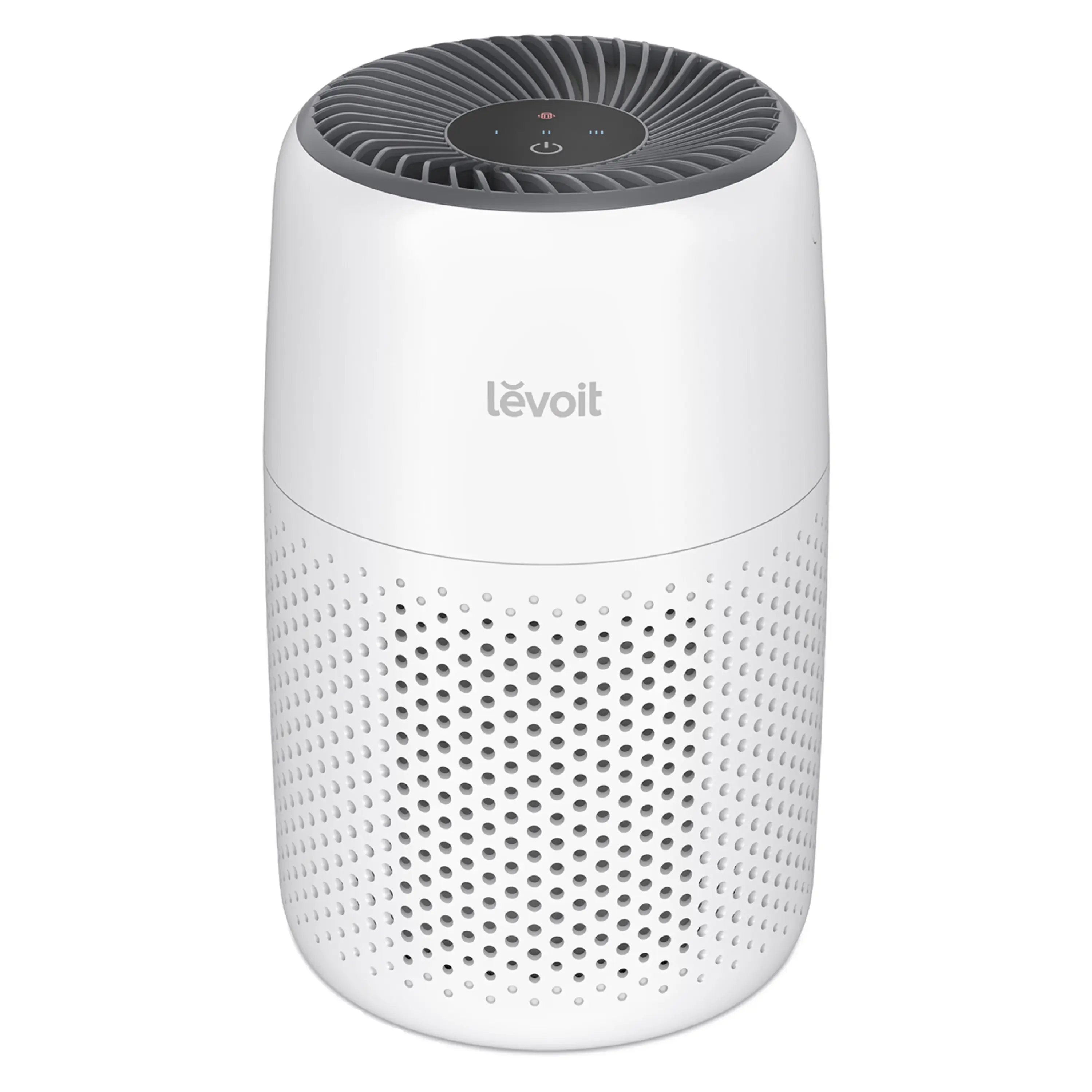
- LEVOIT Core mini Air Purifiers for Home — review the current product details, price, and availability on SearchNShop.
- MA-15 Air Purifier — review the current product details, price, and availability on SearchNShop.
Informed Buying Is a Right—Not a Luxury
No one should waste money simply because a manufacturer chose marketing over build quality. Quality home appliances are a necessity—not a luxury. When brands allow poor designs to persist, they compromise consumer trust.
Bad purchases are preventable. Underpowered motors don't fix themselves. Low-grade filters don't magically improve. Poor sensors don't self-calibrate. These issues exist because a product was built down to a price—and brands must be evaluated accurately when products fall short.
Research does more than save money. It encourages better manufacturing, exposes subpar products, and helps protect other shoppers from making the same mistake. Smart shopping matters—for your budget and your home.
At SearchNShop, we test thoroughly—and we don't hold back—because consumers deserve reliable products for their living spaces.
Contact SearchNShop for Product Recommendations
- 🌐 Website: https://www.searchnshop.com/