
Smartphone Comparison: Choosing the Right Phone Without Overpaying
Smartphone Comparison: Choosing the Right Phone Without Overpaying
Smartphones have become powerful enough that many buyers can get an excellent everyday experience without choosing the most expensive model. The challenge is identifying which improvements you will actually notice and which ones simply sound impressive on a specification sheet.
A useful comparison should make the decision easier, not push you toward the most expensive option. The goal is to understand which features will have a meaningful effect on everyday use, where compromises are acceptable, and which specifications are worth paying attention to before you commit to a purchase.
Start With Your Daily Priorities
Start with the things you do every day: messaging, photography, gaming, work apps, navigation, streaming, or social media. These priorities should determine where your budget goes. A buyer who rarely plays demanding games may gain more from a better camera or longer battery than from a flagship processor.
When comparing products in this category, it is helpful to judge this factor alongside your budget, usage frequency, existing setup, and expected ownership period. A feature that looks valuable on a specification sheet may have little practical benefit if it does not solve a problem you regularly encounter. Conversely, a seemingly minor convenience can become important when you use the product every day.
Performance and Software Support
Modern processors can remain capable for years, so software support and sustained performance matter alongside benchmark numbers. Check how long the platform is expected to receive updates and whether the performance suits your applications. Long-term support can make a slightly less powerful phone a better overall purchase.
When comparing products in this category, it is helpful to judge this factor alongside your budget, usage frequency, existing setup, and expected ownership period. A feature that looks valuable on a specification sheet may have little practical benefit if it does not solve a problem you regularly encounter. Conversely, a seemingly minor convenience can become important when you use the product every day.
Display and Size
Screen size affects portability and one-handed use as much as entertainment. Consider brightness, refresh rate, resolution, outdoor visibility, and whether a large display is actually useful for your routine. A smaller phone may be easier to carry, while a larger screen can be valuable for reading, maps, and media.
When comparing products in this category, it is helpful to judge this factor alongside your budget, usage frequency, existing setup, and expected ownership period. A feature that looks valuable on a specification sheet may have little practical benefit if it does not solve a problem you regularly encounter. Conversely, a seemingly minor convenience can become important when you use the product every day.
Cameras and Real-World Photography
Camera specifications rarely tell the whole story. Processing, stabilization, low-light behavior, lens flexibility, and the consistency between cameras can matter more than a single megapixel number. Think about the subjects you photograph most often and look for evidence of performance in those situations.
When comparing products in this category, it is helpful to judge this factor alongside your budget, usage frequency, existing setup, and expected ownership period. A feature that looks valuable on a specification sheet may have little practical benefit if it does not solve a problem you regularly encounter. Conversely, a seemingly minor convenience can become important when you use the product every day.
Battery Life and Charging
Battery capacity is only part of endurance. Screen size, processor efficiency, software, and your usage pattern all affect how long a phone lasts. Fast charging can also be valuable when you need a quick top-up. Consider whether your routine gives you regular opportunities to charge.
When comparing products in this category, it is helpful to judge this factor alongside your budget, usage frequency, existing setup, and expected ownership period. A feature that looks valuable on a specification sheet may have little practical benefit if it does not solve a problem you regularly encounter. Conversely, a seemingly minor convenience can become important when you use the product every day.
Storage and Connectivity
Choose storage based on how much media, apps, and offline content you keep. Also consider cellular connectivity, Wi-Fi support, Bluetooth, and accessory compatibility if those are important to you. Paying for storage you will never use is unnecessary, but running out of space can become equally frustrating.
When comparing products in this category, it is helpful to judge this factor alongside your budget, usage frequency, existing setup, and expected ownership period. A feature that looks valuable on a specification sheet may have little practical benefit if it does not solve a problem you regularly encounter. Conversely, a seemingly minor convenience can become important when you use the product every day.
Finding the Right Level of Phone
A good buying decision comes from matching the phone to your habits. Compare performance, display, cameras, battery, storage, software support, connectivity, warranty, and price rather than paying for every premium feature. Once the essentials are covered, prioritize the improvements you will actually notice.
When comparing products in this category, it is helpful to judge this factor alongside your budget, usage frequency, existing setup, and expected ownership period. A feature that looks valuable on a specification sheet may have little practical benefit if it does not solve a problem you regularly encounter. Conversely, a seemingly minor convenience can become important when you use the product every day.
Common Buying Mistakes to Avoid
One of the easiest mistakes is choosing a product from a single specification or a headline feature. A better approach is to identify your non-negotiables first, then compare the remaining options on usability, compatibility, durability, maintenance, warranty, and total cost. It is also worth checking the physical dimensions and accessories included, because an otherwise suitable product can become inconvenient if it does not fit your existing setup.
Another common mistake is comparing products only on their initial price. Consider recurring costs, replacement parts, consumables, accessories, and the likelihood that you will need to upgrade sooner than expected. A slightly higher upfront cost can represent better value when the product is more comfortable, durable, easier to maintain, or better suited to your routine.
Comparison at a Glance
The products below are taken directly from the supplied SearchNShop product-ID catalog. Use the comparison as a starting point, then open each listing to verify the latest price, specifications, seller information, and availability.
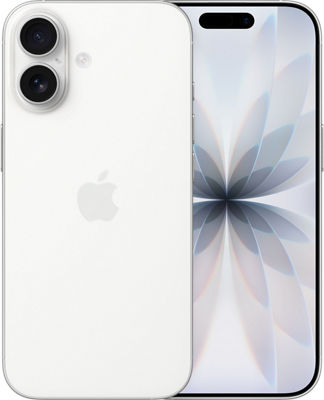
- Apple iPhone 17 512GB in White | Smartphone — Best suited for: general smartphone use — Current listed price: $ 1029.99
- Apple iPhone 17 Pro Max 256GB in Silver | Smartphone — Best suited for: maximum phone performance and screen size — Current listed price: $ 1199.99
- Apple iPhone Air 256GB in Light Gold | Smartphone — Best suited for: thin, premium everyday use — Current listed price: $ 999.99
- Apple iPhone 17 256GB in Lavender | Smartphone — Best suited for: general smartphone use — Current listed price: $ 829.99
- Apple iPhone Air 1TB in Sky Blue | Smartphone — Best suited for: thin, premium everyday use — Current listed price: $ 1399.99
- Motorola razr 128GB in Pantone Violet Ice | Smartphone — Best suited for: foldable phone use — Current listed price: $ 799.99
How to Read This Comparison
Do not treat the most expensive product as the automatic winner. Start with the way you expect to use the product, identify the specifications that affect that routine, and then compare the shortlisted options on compatibility, convenience, build quality, maintenance, and total ownership value.
Prices and availability can change. The comparison is intended to help narrow the field, while the individual SearchNShop listings provide the latest product information before you make a purchase.
Common Buying Mistakes to Avoid
One of the easiest mistakes is choosing a product from a single specification or a headline feature. A better approach is to identify your non-negotiables first, then compare the remaining options on comfort, convenience, compatibility, durability, maintenance, warranty, and total cost. Also make sure the product fits your physical space and existing devices before placing an order.
Which Option Is the Better Buy?
There is no universal winner in this comparison. The better choice is the product that matches your actual workload, space, habits, compatibility requirements, and budget with the fewest compromises. Use the comparison above to build a shortlist, then verify the current listing details before purchasing.
A Simple Final Checklist
Before buying, write down your main use case, essential features, acceptable price range, compatibility requirements, physical constraints, maintenance expectations, and the features you are willing to compromise on. Check those points against your shortlist and verify the latest product information on SearchNShop before purchasing.
A Simple Final Checklist
Before buying, write down your main use case, essential features, acceptable price range, compatibility requirements, physical constraints, maintenance expectations, and the features you are willing to compromise on. Check those points against your shortlist and verify the latest product information on SearchNShop before purchasing. Taking a few minutes to make this comparison can prevent an expensive purchase from being driven by specifications that do not matter to you.