Printer Comparison: Choosing the Right Setup for Home or Work
Printer Comparison: Choosing the Right Setup for Home or Work
Printers are easy to underestimate until you need one regularly. The right choice depends on how often you print, what you print, whether you need scanning or copying, and how much you want to spend on ink, toner, and maintenance over time.
A useful comparison should make the decision easier, not push you toward the most expensive option. The goal is to understand which features will have a meaningful effect on everyday use, where compromises are acceptable, and which specifications are worth paying attention to before you commit to a purchase.
Think About Your Actual Printing Volume
Estimate how often you print, what kinds of documents you produce, and whether you need scanning or copying. A household that prints a few pages each week has very different requirements from a small office producing documents every day. Your volume should influence both the printer type and the running-cost calculation.
When comparing products in this category, it is helpful to judge this factor alongside your budget, usage frequency, existing setup, and expected ownership period. A feature that looks valuable on a specification sheet may have little practical benefit if it does not solve a problem you regularly encounter. Conversely, a seemingly minor convenience can become important when you use the product every day.
Inkjet or Laser?
Inkjet models can be versatile for mixed documents and color work, while laser printers are often attractive for frequent text printing. The right choice depends on volume, color requirements, print speed, and the ongoing cost of supplies. Neither technology is automatically better for every household or office.
When comparing products in this category, it is helpful to judge this factor alongside your budget, usage frequency, existing setup, and expected ownership period. A feature that looks valuable on a specification sheet may have little practical benefit if it does not solve a problem you regularly encounter. Conversely, a seemingly minor convenience can become important when you use the product every day.
All-in-One Features
An all-in-one can save space when scanning and copying are useful. If you already have those functions elsewhere, paying for them may not be necessary. Consider the complete workflow, including automatic document handling and duplex scanning, if those features would save time.
When comparing products in this category, it is helpful to judge this factor alongside your budget, usage frequency, existing setup, and expected ownership period. A feature that looks valuable on a specification sheet may have little practical benefit if it does not solve a problem you regularly encounter. Conversely, a seemingly minor convenience can become important when you use the product every day.
Connectivity and Workflow
Wireless printing, mobile apps, Ethernet, and cloud services can make a printer easier to share. Check compatibility with the computers and mobile devices used by everyone who will rely on it. A printer should fit the way documents move through your home or workplace rather than require unnecessary workarounds.
When comparing products in this category, it is helpful to judge this factor alongside your budget, usage frequency, existing setup, and expected ownership period. A feature that looks valuable on a specification sheet may have little practical benefit if it does not solve a problem you regularly encounter. Conversely, a seemingly minor convenience can become important when you use the product every day.
Print Quality and Paper Needs
Think about the documents you print and the paper sizes you use. Text sharpness, color quality, duplex printing, speed, and paper handling can matter differently depending on your workload. If you occasionally print photos or marketing materials, color performance may deserve more weight than it would for an office focused on invoices.
When comparing products in this category, it is helpful to judge this factor alongside your budget, usage frequency, existing setup, and expected ownership period. A feature that looks valuable on a specification sheet may have little practical benefit if it does not solve a problem you regularly encounter. Conversely, a seemingly minor convenience can become important when you use the product every day.
Running Costs Matter
Consumables can outweigh the original purchase price. Compare ink or toner availability, cartridge yields, replacement costs, maintenance, and whether high-volume options are available. Looking only at the printer's sticker price can produce a misleading picture of value.
When comparing products in this category, it is helpful to judge this factor alongside your budget, usage frequency, existing setup, and expected ownership period. A feature that looks valuable on a specification sheet may have little practical benefit if it does not solve a problem you regularly encounter. Conversely, a seemingly minor convenience can become important when you use the product every day.
Choosing a Printer With Fewer Regrets
Choose based on print volume, color needs, scanning requirements, connectivity, paper handling, running costs, warranty, and available space. A modest printer that fits the workflow can be better value than a feature-heavy model that is expensive to maintain.
When comparing products in this category, it is helpful to judge this factor alongside your budget, usage frequency, existing setup, and expected ownership period. A feature that looks valuable on a specification sheet may have little practical benefit if it does not solve a problem you regularly encounter. Conversely, a seemingly minor convenience can become important when you use the product every day.
Common Buying Mistakes to Avoid
One of the easiest mistakes is choosing a product from a single specification or a headline feature. A better approach is to identify your non-negotiables first, then compare the remaining options on usability, compatibility, durability, maintenance, warranty, and total cost. It is also worth checking the physical dimensions and accessories included, because an otherwise suitable product can become inconvenient if it does not fit your existing setup.
Another common mistake is comparing products only on their initial price. Consider recurring costs, replacement parts, consumables, accessories, and the likelihood that you will need to upgrade sooner than expected. A slightly higher upfront cost can represent better value when the product is more comfortable, durable, easier to maintain, or better suited to your routine.
Comparison at a Glance
The products below are taken directly from the supplied SearchNShop product-ID catalog. Use the comparison as a starting point, then open each listing to verify the latest price, specifications, seller information, and availability.
- HP 5SD78AAKY DeskJet Plus Ink Advantage 6475 All-in-One Printer — Best suited for: home and everyday printing — Current listed price: $ 97.49
- HP LaserJet M209d Printer — Best suited for: frequent document printing — Current listed price: $ 159.00
- HP LaserJet Enterprise MFP M725z Printer — Best suited for: frequent document printing — Current listed price: $ 7029.00
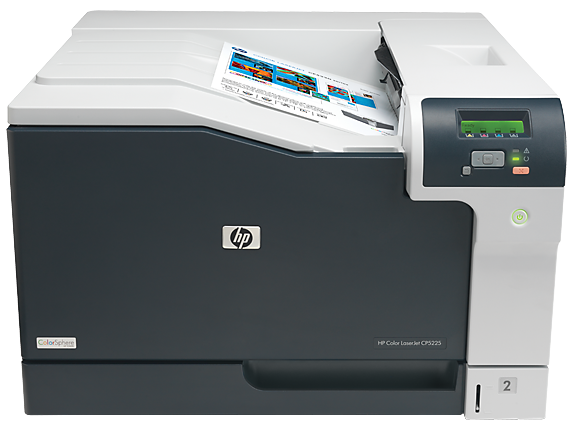
- HP Color LaserJet Professional CP5225dn Printer — Best suited for: frequent document printing — Current listed price: $ 2139.00
- Xerox C410 Color Laser Printer — Best suited for: frequent document printing — Current listed price: $ 799.00
- HP DesignJet T850 Large Format 36" Plotter Printer - Fast, High-Quality CAD & Poster Printer for easy multi-size printing — Best suited for: large-format work — Current listed price: $ 3679.00
- HP LaserJet M209dw Printer — Best suited for: frequent document printing — Current listed price: $ 199.00
How to Read This Comparison
Do not treat the most expensive product as the automatic winner. Start with the way you expect to use the product, identify the specifications that affect that routine, and then compare the shortlisted options on compatibility, convenience, build quality, maintenance, and total ownership value.
Prices and availability can change. The comparison is intended to help narrow the field, while the individual SearchNShop listings provide the latest product information before you make a purchase.
Common Buying Mistakes to Avoid
One of the easiest mistakes is choosing a product from a single specification or a headline feature. A better approach is to identify your non-negotiables first, then compare the remaining options on comfort, convenience, compatibility, durability, maintenance, warranty, and total cost. Also make sure the product fits your physical space and existing devices before placing an order.
Which Option Is the Better Buy?
There is no universal winner in this comparison. The better choice is the product that matches your actual workload, space, habits, compatibility requirements, and budget with the fewest compromises. Use the comparison above to build a shortlist, then verify the current listing details before purchasing.
A Simple Final Checklist
Before buying, write down your main use case, essential features, acceptable price range, compatibility requirements, physical constraints, maintenance expectations, and the features you are willing to compromise on. Check those points against your shortlist and verify the latest product information on SearchNShop before purchasing.
A Simple Final Checklist
Before buying, write down your main use case, essential features, acceptable price range, compatibility requirements, physical constraints, maintenance expectations, and the features you are willing to compromise on. Check those points against your shortlist and verify the latest product information on SearchNShop before purchasing. Taking a few minutes to make this comparison can prevent an expensive purchase from being driven by specifications that do not matter to you.