A Better Way to Shop for Home Lighting
A Better Way to Shop for Home Lighting
Lighting changes how a room looks and feels, but shopping for it is not simply a matter of choosing the brightest bulb or most attractive fixture. Placement, color temperature, brightness, fixture size, and the purpose of the space all matter.
A useful buying guide should make the decision easier, not push you toward the most expensive option. The goal is to understand which features will have a meaningful effect on everyday use, where compromises are acceptable, and which specifications are worth paying attention to before you commit to a purchase.
Start With the Purpose of the Light
Begin with what the light needs to accomplish. Task lighting, ambient lighting, accent lighting, safety lighting, and decorative fixtures each have different requirements for brightness, placement, and control. Defining the purpose first prevents you from choosing a fixture based only on appearance.
When comparing products in this category, it is helpful to judge this factor alongside your budget, usage frequency, existing setup, and expected ownership period. A feature that looks valuable on a specification sheet may have little practical benefit if it does not solve a problem you regularly encounter. Conversely, a seemingly minor convenience can become important when you use the product every day.
Brightness and Color Temperature
Brightness and color temperature affect the atmosphere and usefulness of a room. Warmer light can create a relaxed feel, while cooler light may be useful for focused tasks. Consider the existing lighting rather than choosing each fixture in isolation, especially in open-plan rooms.
When comparing products in this category, it is helpful to judge this factor alongside your budget, usage frequency, existing setup, and expected ownership period. A feature that looks valuable on a specification sheet may have little practical benefit if it does not solve a problem you regularly encounter. Conversely, a seemingly minor convenience can become important when you use the product every day.
Bulbs Versus Complete Fixtures
Bulbs give you flexibility when the fixture is already suitable, while a complete fixture can change the character of a room and distribute light differently. Check bulb compatibility, socket type, wattage, dimming support, and replacement availability before buying.
When comparing products in this category, it is helpful to judge this factor alongside your budget, usage frequency, existing setup, and expected ownership period. A feature that looks valuable on a specification sheet may have little practical benefit if it does not solve a problem you regularly encounter. Conversely, a seemingly minor convenience can become important when you use the product every day.
Size, Placement, and Proportions
Scale matters. Measure ceiling height, wall space, tables, and nearby furniture before choosing a fixture. A light that looks balanced in a product photo can feel oversized or undersized in a real room. Placement should also provide useful illumination without creating distracting glare.
When comparing products in this category, it is helpful to judge this factor alongside your budget, usage frequency, existing setup, and expected ownership period. A feature that looks valuable on a specification sheet may have little practical benefit if it does not solve a problem you regularly encounter. Conversely, a seemingly minor convenience can become important when you use the product every day.
Energy Use and Maintenance
LED lighting can reduce energy use and often has a long operating life, but practical value depends on how long the light is used and whether replacement bulbs or parts are easy to obtain. For frequently used lights, efficiency can become a meaningful part of long-term cost.
When comparing products in this category, it is helpful to judge this factor alongside your budget, usage frequency, existing setup, and expected ownership period. A feature that looks valuable on a specification sheet may have little practical benefit if it does not solve a problem you regularly encounter. Conversely, a seemingly minor convenience can become important when you use the product every day.
Style Should Support the Room
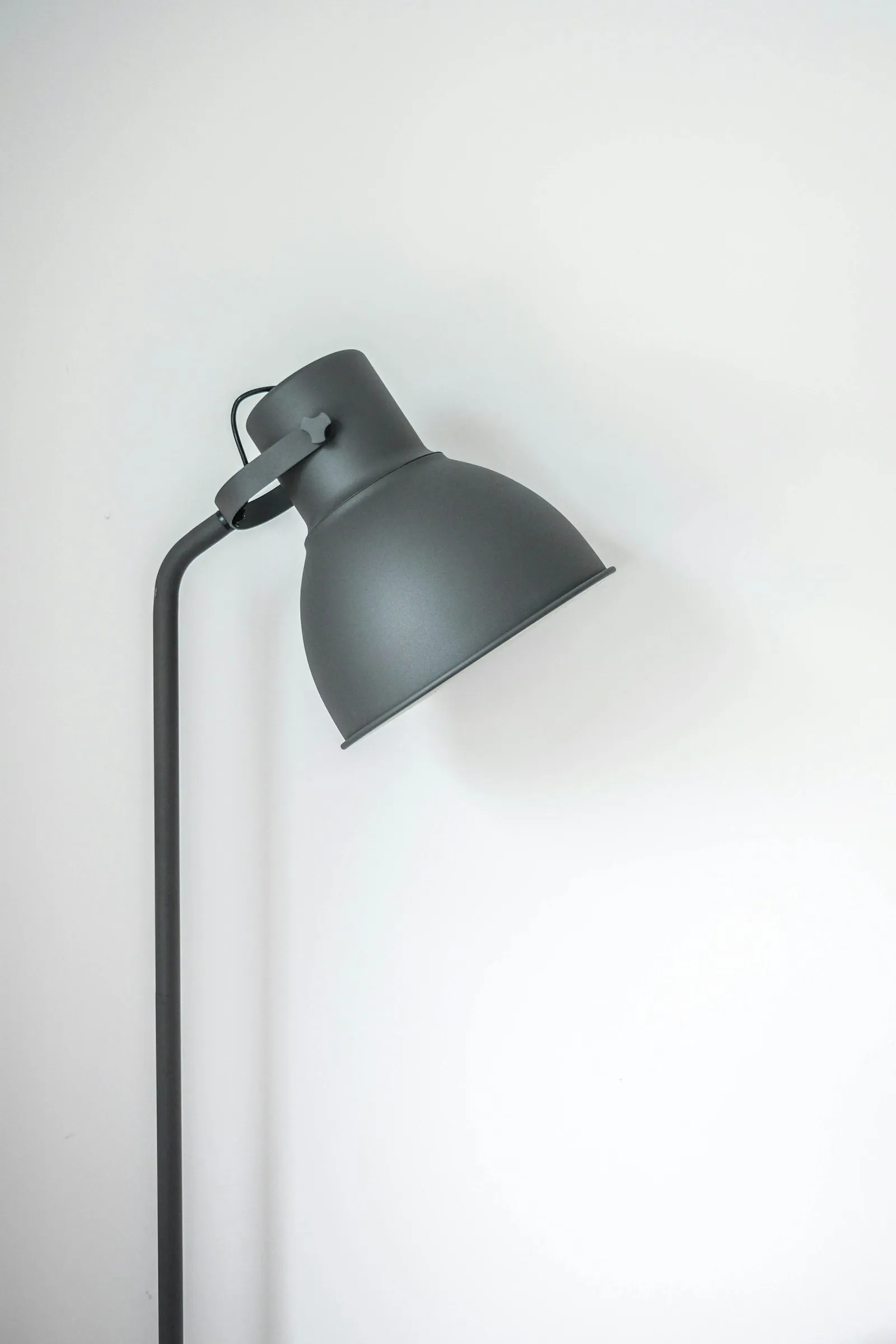
Style should support the room rather than compete with it. Consider finishes, shape, materials, and how the fixture looks when switched off as well as illuminated. Neutral choices can age well, while a distinctive fixture may work best when it complements an otherwise simple space.
When comparing products in this category, it is helpful to judge this factor alongside your budget, usage frequency, existing setup, and expected ownership period. A feature that looks valuable on a specification sheet may have little practical benefit if it does not solve a problem you regularly encounter. Conversely, a seemingly minor convenience can become important when you use the product every day.
Putting the Choices Together
Compare lighting by purpose, brightness, color, dimensions, installation, compatibility, maintenance, energy use, style, and price. This produces a more useful result than shopping by appearance alone and helps ensure the finished room is both attractive and functional.
When comparing products in this category, it is helpful to judge this factor alongside your budget, usage frequency, existing setup, and expected ownership period. A feature that looks valuable on a specification sheet may have little practical benefit if it does not solve a problem you regularly encounter. Conversely, a seemingly minor convenience can become important when you use the product every day.
Common Buying Mistakes to Avoid
One of the easiest mistakes is choosing a product from a single specification or a headline feature. A better approach is to identify your non-negotiables first, then compare the remaining options on usability, compatibility, durability, maintenance, warranty, and total cost. It is also worth checking the physical dimensions and accessories included, because an otherwise suitable product can become inconvenient if it does not fit your existing setup.
Another common mistake is comparing products only on their initial price. Consider recurring costs, replacement parts, consumables, accessories, and the likelihood that you will need to upgrade sooner than expected. A slightly higher upfront cost can represent better value when the product is more comfortable, durable, easier to maintain, or better suited to your routine.
Products Worth Considering
Once you know which features matter to you, comparing a few specific products can make the decision more concrete. The following options are drawn directly from the SearchNShop product catalog:
- GE 4 Watt Clear Night Light Bulb — review the current product details, price, and availability on SearchNShop.
- Lighting New York D3896 Dimond Lighting Touche LED Cafe Bronze Pendant Ceiling Light D3896 - Open Box — review the current product details, price, and availability on SearchNShop.
- Lighting New York C61401CH Matteo Lighting Rosa 1 Light 4.38 inch Chrome Pendant Ceiling Light C61401CH - Open Box — review the current product details, price, and availability on SearchNShop.
Common Buying Mistakes to Avoid
One of the easiest mistakes is choosing a product from a single specification or a headline feature. A better approach is to identify your non-negotiables first, then compare the remaining options on comfort, convenience, compatibility, durability, maintenance, warranty, and total cost. Also make sure the product fits your physical space and existing devices before placing an order.
A Simple Final Checklist
Before buying, write down your main use case, essential features, acceptable price range, compatibility requirements, physical constraints, maintenance expectations, and the features you are willing to compromise on. Check those points against your shortlist and verify the latest product information on SearchNShop before purchasing.
A Simple Final Checklist
Before buying, write down your main use case, essential features, acceptable price range, compatibility requirements, physical constraints, maintenance expectations, and the features you are willing to compromise on. Check those points against your shortlist and verify the latest product information on SearchNShop before purchasing. Taking a few minutes to make this comparison can prevent an expensive purchase from being driven by specifications that do not matter to you.