Apple Watch Ultra 2 49mm in Natural Titanium Case With Tan Alpine Loop - Medium | Smartwatch vs Apple Watch Series 10 MWYW3LW/A 46 Millimeters Smart Watch Comparison Buying Guide
Choosing between two products can be harder than choosing from a large list because the differences may look small while the ownership experience can be very different. This comparison puts Apple Watch Ultra 2 49mm in Natural Titanium Case With Tan Alpine Loop - Medium | Smartwatch and Apple Watch Series 10 MWYW3LW/A 46 Millimeters Smart Watch side by side and focuses on practical decision-making rather than declaring a universal winner. The goal is to help a shopper understand where each option may fit, what should be verified, what trade-offs matter, and how to make a final choice based on actual use. The current listed prices are $ 699.99 and $ 834.49, respectively. Prices and availability can change, so treat the live product pages as the final reference before purchase.
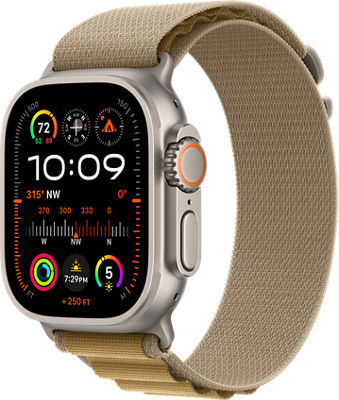
Apple Watch Ultra 2 49mm in Natural Titanium Case With Tan Alpine Loop - Medium | Smartwatch
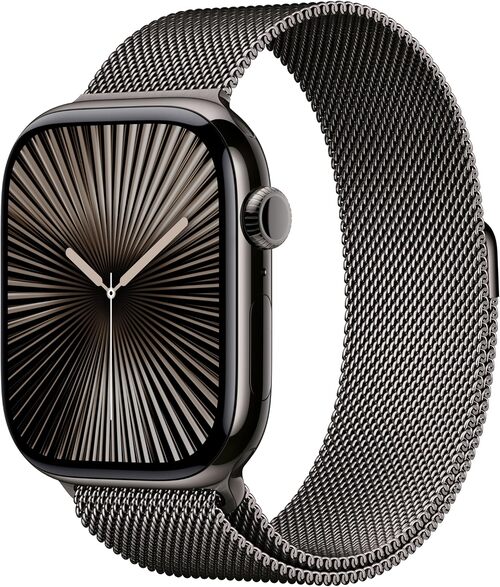
Apple Watch Series 10 MWYW3LW/A 46 Millimeters Smart Watch
How to Read This Comparison
Comparison shopping works best when two products solve the same broad problem but create different ownership trade-offs. In this case, Apple Watch Ultra 2 49mm in Natural Titanium Case With Tan Alpine Loop - Medium | Smartwatch and Apple Watch Series 10 MWYW3LW/A 46 Millimeters Smart Watch should be viewed as two concrete options rather than as isolated listings. The important question is not which product sounds more impressive in a title, but which one makes the buyer's normal routine easier. Start by describing a typical week: how often the product will be used, where it will be used, what supporting equipment is already available, and which limitations would be frustrating after purchase. That exercise turns a generic comparison into a practical decision. A buyer who uses a product occasionally can value simplicity and low commitment differently from someone who depends on it every day. Price matters, but price should be interpreted alongside convenience, fit, maintenance, and expected frequency of use.
The two listings also illustrate why a comparison should separate facts from assumptions. The current product pages identify the products and provide a concrete shopping reference, but a marketplace listing is not automatically a complete technical manual. Where a detail is important to compatibility, installation, safety, or long-term ownership, it should be verified in the manufacturer's documentation. Rather than filling gaps with guesses, treat missing information as a verification task. This keeps the comparison useful without pretending that an unlisted specification has been confirmed. It also makes the article more durable: the buying framework remains useful even when prices, stock status, or seller information change.
For a shopper comparing these exact listings, the useful next step is to turn the general principle into a concrete check. Compare Apple Watch Ultra 2 49mm in Natural Titanium Case With Tan Alpine Loop - Medium | Smartwatch and Apple Watch Series 10 MWYW3LW/A 46 Millimeters Smart Watch using the same assumptions: the same expected frequency of use, the same available space, the same surrounding equipment, and the same realistic budget. If a factor is irrelevant to your routine, do not give it artificial weight simply because it appears in a specification list. If a factor can cause an outright mismatch, treat it as a must-have and verify it before checkout. This keeps the comparison grounded in actual ownership instead of marketing language.
The Two Products at a Glance
One useful way to compare Apple Watch Ultra 2 49mm in Natural Titanium Case With Tan Alpine Loop - Medium | Smartwatch and Apple Watch Series 10 MWYW3LW/A 46 Millimeters Smart Watch is to create a must-have and nice-to-have list. Must-haves are requirements that can disqualify a product: correct size, compatible ecosystem, required function, acceptable installation, and a budget ceiling. Nice-to-haves are preferences that can break a tie after both products pass the essential checks. This distinction matters because shoppers often let attractive extras override a fundamental mismatch. If one option has a feature you love but cannot fit into the intended environment, that feature has no practical value. Conversely, if both products satisfy the core requirements, smaller differences in convenience, design, price, or capacity can legitimately decide the purchase. A disciplined comparison therefore starts with elimination, then moves to optimization.
Another useful technique is to compare the products against scenarios instead of abstract specifications. Imagine a normal day, a busy day, an inconvenient day, and a best-case day. On a normal day, which option is easier? On a busy day, which one saves time? On an inconvenient day, which one is easier to troubleshoot or maintain? On a best-case day, which one gives you capabilities you actually appreciate? Applying the same scenarios to Apple Watch Ultra 2 49mm in Natural Titanium Case With Tan Alpine Loop - Medium | Smartwatch and Apple Watch Series 10 MWYW3LW/A 46 Millimeters Smart Watch exposes trade-offs that a simple specification table cannot. It also reduces the influence of marketing language because every feature has to answer a practical question. The product that performs well across your important scenarios is usually a stronger choice than one that wins only on a single headline attribute.
For a shopper comparing these exact listings, the useful next step is to turn the general principle into a concrete check. Compare Apple Watch Ultra 2 49mm in Natural Titanium Case With Tan Alpine Loop - Medium | Smartwatch and Apple Watch Series 10 MWYW3LW/A 46 Millimeters Smart Watch using the same assumptions: the same expected frequency of use, the same available space, the same surrounding equipment, and the same realistic budget. If a factor is irrelevant to your routine, do not give it artificial weight simply because it appears in a specification list. If a factor can cause an outright mismatch, treat it as a must-have and verify it before checkout. This keeps the comparison grounded in actual ownership instead of marketing language.
Start With Your Real Use Case
Comparison shopping works best when two products solve the same broad problem but create different ownership trade-offs. In this case, Apple Watch Ultra 2 49mm in Natural Titanium Case With Tan Alpine Loop - Medium | Smartwatch and Apple Watch Series 10 MWYW3LW/A 46 Millimeters Smart Watch should be viewed as two concrete options rather than as isolated listings. The important question is not which product sounds more impressive in a title, but which one makes the buyer's normal routine easier. Start by describing a typical week: how often the product will be used, where it will be used, what supporting equipment is already available, and which limitations would be frustrating after purchase. That exercise turns a generic comparison into a practical decision. A buyer who uses a product occasionally can value simplicity and low commitment differently from someone who depends on it every day. Price matters, but price should be interpreted alongside convenience, fit, maintenance, and expected frequency of use.
The two listings also illustrate why a comparison should separate facts from assumptions. The current product pages identify the products and provide a concrete shopping reference, but a marketplace listing is not automatically a complete technical manual. Where a detail is important to compatibility, installation, safety, or long-term ownership, it should be verified in the manufacturer's documentation. Rather than filling gaps with guesses, treat missing information as a verification task. This keeps the comparison useful without pretending that an unlisted specification has been confirmed. It also makes the article more durable: the buying framework remains useful even when prices, stock status, or seller information change.
For a shopper comparing these exact listings, the useful next step is to turn the general principle into a concrete check. Compare Apple Watch Ultra 2 49mm in Natural Titanium Case With Tan Alpine Loop - Medium | Smartwatch and Apple Watch Series 10 MWYW3LW/A 46 Millimeters Smart Watch using the same assumptions: the same expected frequency of use, the same available space, the same surrounding equipment, and the same realistic budget. If a factor is irrelevant to your routine, do not give it artificial weight simply because it appears in a specification list. If a factor can cause an outright mismatch, treat it as a must-have and verify it before checkout. This keeps the comparison grounded in actual ownership instead of marketing language.
Who Is Each Product For?
One useful way to compare Apple Watch Ultra 2 49mm in Natural Titanium Case With Tan Alpine Loop - Medium | Smartwatch and Apple Watch Series 10 MWYW3LW/A 46 Millimeters Smart Watch is to create a must-have and nice-to-have list. Must-haves are requirements that can disqualify a product: correct size, compatible ecosystem, required function, acceptable installation, and a budget ceiling. Nice-to-haves are preferences that can break a tie after both products pass the essential checks. This distinction matters because shoppers often let attractive extras override a fundamental mismatch. If one option has a feature you love but cannot fit into the intended environment, that feature has no practical value. Conversely, if both products satisfy the core requirements, smaller differences in convenience, design, price, or capacity can legitimately decide the purchase. A disciplined comparison therefore starts with elimination, then moves to optimization.
Another useful technique is to compare the products against scenarios instead of abstract specifications. Imagine a normal day, a busy day, an inconvenient day, and a best-case day. On a normal day, which option is easier? On a busy day, which one saves time? On an inconvenient day, which one is easier to troubleshoot or maintain? On a best-case day, which one gives you capabilities you actually appreciate? Applying the same scenarios to Apple Watch Ultra 2 49mm in Natural Titanium Case With Tan Alpine Loop - Medium | Smartwatch and Apple Watch Series 10 MWYW3LW/A 46 Millimeters Smart Watch exposes trade-offs that a simple specification table cannot. It also reduces the influence of marketing language because every feature has to answer a practical question. The product that performs well across your important scenarios is usually a stronger choice than one that wins only on a single headline attribute.
For a shopper comparing these exact listings, the useful next step is to turn the general principle into a concrete check. Compare Apple Watch Ultra 2 49mm in Natural Titanium Case With Tan Alpine Loop - Medium | Smartwatch and Apple Watch Series 10 MWYW3LW/A 46 Millimeters Smart Watch using the same assumptions: the same expected frequency of use, the same available space, the same surrounding equipment, and the same realistic budget. If a factor is irrelevant to your routine, do not give it artificial weight simply because it appears in a specification list. If a factor can cause an outright mismatch, treat it as a must-have and verify it before checkout. This keeps the comparison grounded in actual ownership instead of marketing language.
The Most Important Buying Criteria
One useful way to compare Apple Watch Ultra 2 49mm in Natural Titanium Case With Tan Alpine Loop - Medium | Smartwatch and Apple Watch Series 10 MWYW3LW/A 46 Millimeters Smart Watch is to create a must-have and nice-to-have list. Must-haves are requirements that can disqualify a product: correct size, compatible ecosystem, required function, acceptable installation, and a budget ceiling. Nice-to-haves are preferences that can break a tie after both products pass the essential checks. This distinction matters because shoppers often let attractive extras override a fundamental mismatch. If one option has a feature you love but cannot fit into the intended environment, that feature has no practical value. Conversely, if both products satisfy the core requirements, smaller differences in convenience, design, price, or capacity can legitimately decide the purchase. A disciplined comparison therefore starts with elimination, then moves to optimization.
Another useful technique is to compare the products against scenarios instead of abstract specifications. Imagine a normal day, a busy day, an inconvenient day, and a best-case day. On a normal day, which option is easier? On a busy day, which one saves time? On an inconvenient day, which one is easier to troubleshoot or maintain? On a best-case day, which one gives you capabilities you actually appreciate? Applying the same scenarios to Apple Watch Ultra 2 49mm in Natural Titanium Case With Tan Alpine Loop - Medium | Smartwatch and Apple Watch Series 10 MWYW3LW/A 46 Millimeters Smart Watch exposes trade-offs that a simple specification table cannot. It also reduces the influence of marketing language because every feature has to answer a practical question. The product that performs well across your important scenarios is usually a stronger choice than one that wins only on a single headline attribute.
For a shopper comparing these exact listings, the useful next step is to turn the general principle into a concrete check. Compare Apple Watch Ultra 2 49mm in Natural Titanium Case With Tan Alpine Loop - Medium | Smartwatch and Apple Watch Series 10 MWYW3LW/A 46 Millimeters Smart Watch using the same assumptions: the same expected frequency of use, the same available space, the same surrounding equipment, and the same realistic budget. If a factor is irrelevant to your routine, do not give it artificial weight simply because it appears in a specification list. If a factor can cause an outright mismatch, treat it as a must-have and verify it before checkout. This keeps the comparison grounded in actual ownership instead of marketing language.
Fit and Compatibility
Fit is one of the easiest criteria to underestimate because shoppers often focus on the product itself rather than the environment around it. For Apple Watch Ultra 2 49mm in Natural Titanium Case With Tan Alpine Loop - Medium | Smartwatch and Apple Watch Series 10 MWYW3LW/A 46 Millimeters Smart Watch, think about the physical space first. Measure the intended location, allow room for cables, doors, ventilation, charging, paper handling, wrist movement, or other category-specific access, and consider how the product will be moved or stored. A product can be technically suitable and still become annoying if it blocks a drawer, requires awkward clearance, feels uncomfortable, or makes routine access difficult. Photos can also be misleading because perspective hides scale. Use published dimensions where available and compare them with a real object or the available space. This is a simple step, but it prevents one of the most expensive kinds of buying mistakes: discovering after delivery that the product does not fit the way you expected.
Fit is not only physical. The right product must fit the buyer's existing ecosystem and habits. Ask what it connects to, what accessories it requires, how it is powered, and what other equipment has to work alongside it. For Apple Watch Ultra 2 49mm in Natural Titanium Case With Tan Alpine Loop - Medium | Smartwatch and Apple Watch Series 10 MWYW3LW/A 46 Millimeters Smart Watch, a useful pre-purchase exercise is to draw a short chain from the product to the person using it: power or charging, setup, primary operation, maintenance, and storage. Any step that depends on an unavailable cable, incompatible device, unusual accessory, or inconvenient location deserves attention before checkout. A small difference in setup effort can become significant when repeated hundreds of times. The better choice is often the one that removes friction from the workflow rather than the one that wins a specification contest.
For a shopper comparing these exact listings, the useful next step is to turn the general principle into a concrete check. Compare Apple Watch Ultra 2 49mm in Natural Titanium Case With Tan Alpine Loop - Medium | Smartwatch and Apple Watch Series 10 MWYW3LW/A 46 Millimeters Smart Watch using the same assumptions: the same expected frequency of use, the same available space, the same surrounding equipment, and the same realistic budget. If a factor is irrelevant to your routine, do not give it artificial weight simply because it appears in a specification list. If a factor can cause an outright mismatch, treat it as a must-have and verify it before checkout. This keeps the comparison grounded in actual ownership instead of marketing language.
Setup and First-Day Experience
Ownership is where a product comparison becomes more realistic than a feature list. Before choosing between Apple Watch Ultra 2 49mm in Natural Titanium Case With Tan Alpine Loop - Medium | Smartwatch and Apple Watch Series 10 MWYW3LW/A 46 Millimeters Smart Watch, imagine the first thirty days of use. What happens on the first day? How often will the product need attention? What happens when something needs cleaning, charging, updating, refilling, replacing, or adjusting? These questions reveal friction that is easy to miss in a product title. A good product should not merely work under ideal conditions; its ownership routine should be compatible with the buyer's available time and patience. The answer will differ between households, offices, travelers, students, hobbyists, and professionals. The goal is not to label one product universally better, but to identify which ownership pattern is easier to live with.
Maintenance deserves the same attention as initial setup. Even products marketed as convenient still have some form of care, whether that means cleaning, charging, updating, replacing consumables, protecting surfaces, storing accessories, or monitoring wear. With Apple Watch Ultra 2 49mm in Natural Titanium Case With Tan Alpine Loop - Medium | Smartwatch and Apple Watch Series 10 MWYW3LW/A 46 Millimeters Smart Watch, identify which maintenance tasks are unavoidable and which are optional. A maintenance task that takes two minutes may be irrelevant if performed monthly but frustrating if required several times a day. Likewise, an inexpensive replacement item can become a meaningful recurring expense at high usage. The safest comparison does not invent maintenance schedules that are not documented. Instead, it encourages the buyer to check the manufacturer's instructions and the live listing for the exact model.
For a shopper comparing these exact listings, the useful next step is to turn the general principle into a concrete check. Compare Apple Watch Ultra 2 49mm in Natural Titanium Case With Tan Alpine Loop - Medium | Smartwatch and Apple Watch Series 10 MWYW3LW/A 46 Millimeters Smart Watch using the same assumptions: the same expected frequency of use, the same available space, the same surrounding equipment, and the same realistic budget. If a factor is irrelevant to your routine, do not give it artificial weight simply because it appears in a specification list. If a factor can cause an outright mismatch, treat it as a must-have and verify it before checkout. This keeps the comparison grounded in actual ownership instead of marketing language.
Everyday Workflow
Ownership is where a product comparison becomes more realistic than a feature list. Before choosing between Apple Watch Ultra 2 49mm in Natural Titanium Case With Tan Alpine Loop - Medium | Smartwatch and Apple Watch Series 10 MWYW3LW/A 46 Millimeters Smart Watch, imagine the first thirty days of use. What happens on the first day? How often will the product need attention? What happens when something needs cleaning, charging, updating, refilling, replacing, or adjusting? These questions reveal friction that is easy to miss in a product title. A good product should not merely work under ideal conditions; its ownership routine should be compatible with the buyer's available time and patience. The answer will differ between households, offices, travelers, students, hobbyists, and professionals. The goal is not to label one product universally better, but to identify which ownership pattern is easier to live with.
Maintenance deserves the same attention as initial setup. Even products marketed as convenient still have some form of care, whether that means cleaning, charging, updating, replacing consumables, protecting surfaces, storing accessories, or monitoring wear. With Apple Watch Ultra 2 49mm in Natural Titanium Case With Tan Alpine Loop - Medium | Smartwatch and Apple Watch Series 10 MWYW3LW/A 46 Millimeters Smart Watch, identify which maintenance tasks are unavoidable and which are optional. A maintenance task that takes two minutes may be irrelevant if performed monthly but frustrating if required several times a day. Likewise, an inexpensive replacement item can become a meaningful recurring expense at high usage. The safest comparison does not invent maintenance schedules that are not documented. Instead, it encourages the buyer to check the manufacturer's instructions and the live listing for the exact model.
For a shopper comparing these exact listings, the useful next step is to turn the general principle into a concrete check. Compare Apple Watch Ultra 2 49mm in Natural Titanium Case With Tan Alpine Loop - Medium | Smartwatch and Apple Watch Series 10 MWYW3LW/A 46 Millimeters Smart Watch using the same assumptions: the same expected frequency of use, the same available space, the same surrounding equipment, and the same realistic budget. If a factor is irrelevant to your routine, do not give it artificial weight simply because it appears in a specification list. If a factor can cause an outright mismatch, treat it as a must-have and verify it before checkout. This keeps the comparison grounded in actual ownership instead of marketing language.
Performance in a Typical Routine
One useful way to compare Apple Watch Ultra 2 49mm in Natural Titanium Case With Tan Alpine Loop - Medium | Smartwatch and Apple Watch Series 10 MWYW3LW/A 46 Millimeters Smart Watch is to create a must-have and nice-to-have list. Must-haves are requirements that can disqualify a product: correct size, compatible ecosystem, required function, acceptable installation, and a budget ceiling. Nice-to-haves are preferences that can break a tie after both products pass the essential checks. This distinction matters because shoppers often let attractive extras override a fundamental mismatch. If one option has a feature you love but cannot fit into the intended environment, that feature has no practical value. Conversely, if both products satisfy the core requirements, smaller differences in convenience, design, price, or capacity can legitimately decide the purchase. A disciplined comparison therefore starts with elimination, then moves to optimization.
Another useful technique is to compare the products against scenarios instead of abstract specifications. Imagine a normal day, a busy day, an inconvenient day, and a best-case day. On a normal day, which option is easier? On a busy day, which one saves time? On an inconvenient day, which one is easier to troubleshoot or maintain? On a best-case day, which one gives you capabilities you actually appreciate? Applying the same scenarios to Apple Watch Ultra 2 49mm in Natural Titanium Case With Tan Alpine Loop - Medium | Smartwatch and Apple Watch Series 10 MWYW3LW/A 46 Millimeters Smart Watch exposes trade-offs that a simple specification table cannot. It also reduces the influence of marketing language because every feature has to answer a practical question. The product that performs well across your important scenarios is usually a stronger choice than one that wins only on a single headline attribute.
For a shopper comparing these exact listings, the useful next step is to turn the general principle into a concrete check. Compare Apple Watch Ultra 2 49mm in Natural Titanium Case With Tan Alpine Loop - Medium | Smartwatch and Apple Watch Series 10 MWYW3LW/A 46 Millimeters Smart Watch using the same assumptions: the same expected frequency of use, the same available space, the same surrounding equipment, and the same realistic budget. If a factor is irrelevant to your routine, do not give it artificial weight simply because it appears in a specification list. If a factor can cause an outright mismatch, treat it as a must-have and verify it before checkout. This keeps the comparison grounded in actual ownership instead of marketing language.
Performance Under Heavy Use
One useful way to compare Apple Watch Ultra 2 49mm in Natural Titanium Case With Tan Alpine Loop - Medium | Smartwatch and Apple Watch Series 10 MWYW3LW/A 46 Millimeters Smart Watch is to create a must-have and nice-to-have list. Must-haves are requirements that can disqualify a product: correct size, compatible ecosystem, required function, acceptable installation, and a budget ceiling. Nice-to-haves are preferences that can break a tie after both products pass the essential checks. This distinction matters because shoppers often let attractive extras override a fundamental mismatch. If one option has a feature you love but cannot fit into the intended environment, that feature has no practical value. Conversely, if both products satisfy the core requirements, smaller differences in convenience, design, price, or capacity can legitimately decide the purchase. A disciplined comparison therefore starts with elimination, then moves to optimization.
Another useful technique is to compare the products against scenarios instead of abstract specifications. Imagine a normal day, a busy day, an inconvenient day, and a best-case day. On a normal day, which option is easier? On a busy day, which one saves time? On an inconvenient day, which one is easier to troubleshoot or maintain? On a best-case day, which one gives you capabilities you actually appreciate? Applying the same scenarios to Apple Watch Ultra 2 49mm in Natural Titanium Case With Tan Alpine Loop - Medium | Smartwatch and Apple Watch Series 10 MWYW3LW/A 46 Millimeters Smart Watch exposes trade-offs that a simple specification table cannot. It also reduces the influence of marketing language because every feature has to answer a practical question. The product that performs well across your important scenarios is usually a stronger choice than one that wins only on a single headline attribute.
For a shopper comparing these exact listings, the useful next step is to turn the general principle into a concrete check. Compare Apple Watch Ultra 2 49mm in Natural Titanium Case With Tan Alpine Loop - Medium | Smartwatch and Apple Watch Series 10 MWYW3LW/A 46 Millimeters Smart Watch using the same assumptions: the same expected frequency of use, the same available space, the same surrounding equipment, and the same realistic budget. If a factor is irrelevant to your routine, do not give it artificial weight simply because it appears in a specification list. If a factor can cause an outright mismatch, treat it as a must-have and verify it before checkout. This keeps the comparison grounded in actual ownership instead of marketing language.
Convenience and Friction
Ownership is where a product comparison becomes more realistic than a feature list. Before choosing between Apple Watch Ultra 2 49mm in Natural Titanium Case With Tan Alpine Loop - Medium | Smartwatch and Apple Watch Series 10 MWYW3LW/A 46 Millimeters Smart Watch, imagine the first thirty days of use. What happens on the first day? How often will the product need attention? What happens when something needs cleaning, charging, updating, refilling, replacing, or adjusting? These questions reveal friction that is easy to miss in a product title. A good product should not merely work under ideal conditions; its ownership routine should be compatible with the buyer's available time and patience. The answer will differ between households, offices, travelers, students, hobbyists, and professionals. The goal is not to label one product universally better, but to identify which ownership pattern is easier to live with.
Maintenance deserves the same attention as initial setup. Even products marketed as convenient still have some form of care, whether that means cleaning, charging, updating, replacing consumables, protecting surfaces, storing accessories, or monitoring wear. With Apple Watch Ultra 2 49mm in Natural Titanium Case With Tan Alpine Loop - Medium | Smartwatch and Apple Watch Series 10 MWYW3LW/A 46 Millimeters Smart Watch, identify which maintenance tasks are unavoidable and which are optional. A maintenance task that takes two minutes may be irrelevant if performed monthly but frustrating if required several times a day. Likewise, an inexpensive replacement item can become a meaningful recurring expense at high usage. The safest comparison does not invent maintenance schedules that are not documented. Instead, it encourages the buyer to check the manufacturer's instructions and the live listing for the exact model.
For a shopper comparing these exact listings, the useful next step is to turn the general principle into a concrete check. Compare Apple Watch Ultra 2 49mm in Natural Titanium Case With Tan Alpine Loop - Medium | Smartwatch and Apple Watch Series 10 MWYW3LW/A 46 Millimeters Smart Watch using the same assumptions: the same expected frequency of use, the same available space, the same surrounding equipment, and the same realistic budget. If a factor is irrelevant to your routine, do not give it artificial weight simply because it appears in a specification list. If a factor can cause an outright mismatch, treat it as a must-have and verify it before checkout. This keeps the comparison grounded in actual ownership instead of marketing language.
Physical Fit and Space
Fit is one of the easiest criteria to underestimate because shoppers often focus on the product itself rather than the environment around it. For Apple Watch Ultra 2 49mm in Natural Titanium Case With Tan Alpine Loop - Medium | Smartwatch and Apple Watch Series 10 MWYW3LW/A 46 Millimeters Smart Watch, think about the physical space first. Measure the intended location, allow room for cables, doors, ventilation, charging, paper handling, wrist movement, or other category-specific access, and consider how the product will be moved or stored. A product can be technically suitable and still become annoying if it blocks a drawer, requires awkward clearance, feels uncomfortable, or makes routine access difficult. Photos can also be misleading because perspective hides scale. Use published dimensions where available and compare them with a real object or the available space. This is a simple step, but it prevents one of the most expensive kinds of buying mistakes: discovering after delivery that the product does not fit the way you expected.
Fit is not only physical. The right product must fit the buyer's existing ecosystem and habits. Ask what it connects to, what accessories it requires, how it is powered, and what other equipment has to work alongside it. For Apple Watch Ultra 2 49mm in Natural Titanium Case With Tan Alpine Loop - Medium | Smartwatch and Apple Watch Series 10 MWYW3LW/A 46 Millimeters Smart Watch, a useful pre-purchase exercise is to draw a short chain from the product to the person using it: power or charging, setup, primary operation, maintenance, and storage. Any step that depends on an unavailable cable, incompatible device, unusual accessory, or inconvenient location deserves attention before checkout. A small difference in setup effort can become significant when repeated hundreds of times. The better choice is often the one that removes friction from the workflow rather than the one that wins a specification contest.
For a shopper comparing these exact listings, the useful next step is to turn the general principle into a concrete check. Compare Apple Watch Ultra 2 49mm in Natural Titanium Case With Tan Alpine Loop - Medium | Smartwatch and Apple Watch Series 10 MWYW3LW/A 46 Millimeters Smart Watch using the same assumptions: the same expected frequency of use, the same available space, the same surrounding equipment, and the same realistic budget. If a factor is irrelevant to your routine, do not give it artificial weight simply because it appears in a specification list. If a factor can cause an outright mismatch, treat it as a must-have and verify it before checkout. This keeps the comparison grounded in actual ownership instead of marketing language.
Connectivity and Ecosystem
Fit is one of the easiest criteria to underestimate because shoppers often focus on the product itself rather than the environment around it. For Apple Watch Ultra 2 49mm in Natural Titanium Case With Tan Alpine Loop - Medium | Smartwatch and Apple Watch Series 10 MWYW3LW/A 46 Millimeters Smart Watch, think about the physical space first. Measure the intended location, allow room for cables, doors, ventilation, charging, paper handling, wrist movement, or other category-specific access, and consider how the product will be moved or stored. A product can be technically suitable and still become annoying if it blocks a drawer, requires awkward clearance, feels uncomfortable, or makes routine access difficult. Photos can also be misleading because perspective hides scale. Use published dimensions where available and compare them with a real object or the available space. This is a simple step, but it prevents one of the most expensive kinds of buying mistakes: discovering after delivery that the product does not fit the way you expected.
Fit is not only physical. The right product must fit the buyer's existing ecosystem and habits. Ask what it connects to, what accessories it requires, how it is powered, and what other equipment has to work alongside it. For Apple Watch Ultra 2 49mm in Natural Titanium Case With Tan Alpine Loop - Medium | Smartwatch and Apple Watch Series 10 MWYW3LW/A 46 Millimeters Smart Watch, a useful pre-purchase exercise is to draw a short chain from the product to the person using it: power or charging, setup, primary operation, maintenance, and storage. Any step that depends on an unavailable cable, incompatible device, unusual accessory, or inconvenient location deserves attention before checkout. A small difference in setup effort can become significant when repeated hundreds of times. The better choice is often the one that removes friction from the workflow rather than the one that wins a specification contest.
For a shopper comparing these exact listings, the useful next step is to turn the general principle into a concrete check. Compare Apple Watch Ultra 2 49mm in Natural Titanium Case With Tan Alpine Loop - Medium | Smartwatch and Apple Watch Series 10 MWYW3LW/A 46 Millimeters Smart Watch using the same assumptions: the same expected frequency of use, the same available space, the same surrounding equipment, and the same realistic budget. If a factor is irrelevant to your routine, do not give it artificial weight simply because it appears in a specification list. If a factor can cause an outright mismatch, treat it as a must-have and verify it before checkout. This keeps the comparison grounded in actual ownership instead of marketing language.
Capacity and Headroom
One useful way to compare Apple Watch Ultra 2 49mm in Natural Titanium Case With Tan Alpine Loop - Medium | Smartwatch and Apple Watch Series 10 MWYW3LW/A 46 Millimeters Smart Watch is to create a must-have and nice-to-have list. Must-haves are requirements that can disqualify a product: correct size, compatible ecosystem, required function, acceptable installation, and a budget ceiling. Nice-to-haves are preferences that can break a tie after both products pass the essential checks. This distinction matters because shoppers often let attractive extras override a fundamental mismatch. If one option has a feature you love but cannot fit into the intended environment, that feature has no practical value. Conversely, if both products satisfy the core requirements, smaller differences in convenience, design, price, or capacity can legitimately decide the purchase. A disciplined comparison therefore starts with elimination, then moves to optimization.
Another useful technique is to compare the products against scenarios instead of abstract specifications. Imagine a normal day, a busy day, an inconvenient day, and a best-case day. On a normal day, which option is easier? On a busy day, which one saves time? On an inconvenient day, which one is easier to troubleshoot or maintain? On a best-case day, which one gives you capabilities you actually appreciate? Applying the same scenarios to Apple Watch Ultra 2 49mm in Natural Titanium Case With Tan Alpine Loop - Medium | Smartwatch and Apple Watch Series 10 MWYW3LW/A 46 Millimeters Smart Watch exposes trade-offs that a simple specification table cannot. It also reduces the influence of marketing language because every feature has to answer a practical question. The product that performs well across your important scenarios is usually a stronger choice than one that wins only on a single headline attribute.
For a shopper comparing these exact listings, the useful next step is to turn the general principle into a concrete check. Compare Apple Watch Ultra 2 49mm in Natural Titanium Case With Tan Alpine Loop - Medium | Smartwatch and Apple Watch Series 10 MWYW3LW/A 46 Millimeters Smart Watch using the same assumptions: the same expected frequency of use, the same available space, the same surrounding equipment, and the same realistic budget. If a factor is irrelevant to your routine, do not give it artificial weight simply because it appears in a specification list. If a factor can cause an outright mismatch, treat it as a must-have and verify it before checkout. This keeps the comparison grounded in actual ownership instead of marketing language.
Speed and Responsiveness
One useful way to compare Apple Watch Ultra 2 49mm in Natural Titanium Case With Tan Alpine Loop - Medium | Smartwatch and Apple Watch Series 10 MWYW3LW/A 46 Millimeters Smart Watch is to create a must-have and nice-to-have list. Must-haves are requirements that can disqualify a product: correct size, compatible ecosystem, required function, acceptable installation, and a budget ceiling. Nice-to-haves are preferences that can break a tie after both products pass the essential checks. This distinction matters because shoppers often let attractive extras override a fundamental mismatch. If one option has a feature you love but cannot fit into the intended environment, that feature has no practical value. Conversely, if both products satisfy the core requirements, smaller differences in convenience, design, price, or capacity can legitimately decide the purchase. A disciplined comparison therefore starts with elimination, then moves to optimization.
Another useful technique is to compare the products against scenarios instead of abstract specifications. Imagine a normal day, a busy day, an inconvenient day, and a best-case day. On a normal day, which option is easier? On a busy day, which one saves time? On an inconvenient day, which one is easier to troubleshoot or maintain? On a best-case day, which one gives you capabilities you actually appreciate? Applying the same scenarios to Apple Watch Ultra 2 49mm in Natural Titanium Case With Tan Alpine Loop - Medium | Smartwatch and Apple Watch Series 10 MWYW3LW/A 46 Millimeters Smart Watch exposes trade-offs that a simple specification table cannot. It also reduces the influence of marketing language because every feature has to answer a practical question. The product that performs well across your important scenarios is usually a stronger choice than one that wins only on a single headline attribute.
For a shopper comparing these exact listings, the useful next step is to turn the general principle into a concrete check. Compare Apple Watch Ultra 2 49mm in Natural Titanium Case With Tan Alpine Loop - Medium | Smartwatch and Apple Watch Series 10 MWYW3LW/A 46 Millimeters Smart Watch using the same assumptions: the same expected frequency of use, the same available space, the same surrounding equipment, and the same realistic budget. If a factor is irrelevant to your routine, do not give it artificial weight simply because it appears in a specification list. If a factor can cause an outright mismatch, treat it as a must-have and verify it before checkout. This keeps the comparison grounded in actual ownership instead of marketing language.
Quality and Consistency
One useful way to compare Apple Watch Ultra 2 49mm in Natural Titanium Case With Tan Alpine Loop - Medium | Smartwatch and Apple Watch Series 10 MWYW3LW/A 46 Millimeters Smart Watch is to create a must-have and nice-to-have list. Must-haves are requirements that can disqualify a product: correct size, compatible ecosystem, required function, acceptable installation, and a budget ceiling. Nice-to-haves are preferences that can break a tie after both products pass the essential checks. This distinction matters because shoppers often let attractive extras override a fundamental mismatch. If one option has a feature you love but cannot fit into the intended environment, that feature has no practical value. Conversely, if both products satisfy the core requirements, smaller differences in convenience, design, price, or capacity can legitimately decide the purchase. A disciplined comparison therefore starts with elimination, then moves to optimization.
Another useful technique is to compare the products against scenarios instead of abstract specifications. Imagine a normal day, a busy day, an inconvenient day, and a best-case day. On a normal day, which option is easier? On a busy day, which one saves time? On an inconvenient day, which one is easier to troubleshoot or maintain? On a best-case day, which one gives you capabilities you actually appreciate? Applying the same scenarios to Apple Watch Ultra 2 49mm in Natural Titanium Case With Tan Alpine Loop - Medium | Smartwatch and Apple Watch Series 10 MWYW3LW/A 46 Millimeters Smart Watch exposes trade-offs that a simple specification table cannot. It also reduces the influence of marketing language because every feature has to answer a practical question. The product that performs well across your important scenarios is usually a stronger choice than one that wins only on a single headline attribute.
For a shopper comparing these exact listings, the useful next step is to turn the general principle into a concrete check. Compare Apple Watch Ultra 2 49mm in Natural Titanium Case With Tan Alpine Loop - Medium | Smartwatch and Apple Watch Series 10 MWYW3LW/A 46 Millimeters Smart Watch using the same assumptions: the same expected frequency of use, the same available space, the same surrounding equipment, and the same realistic budget. If a factor is irrelevant to your routine, do not give it artificial weight simply because it appears in a specification list. If a factor can cause an outright mismatch, treat it as a must-have and verify it before checkout. This keeps the comparison grounded in actual ownership instead of marketing language.
Maintenance and Care
Ownership is where a product comparison becomes more realistic than a feature list. Before choosing between Apple Watch Ultra 2 49mm in Natural Titanium Case With Tan Alpine Loop - Medium | Smartwatch and Apple Watch Series 10 MWYW3LW/A 46 Millimeters Smart Watch, imagine the first thirty days of use. What happens on the first day? How often will the product need attention? What happens when something needs cleaning, charging, updating, refilling, replacing, or adjusting? These questions reveal friction that is easy to miss in a product title. A good product should not merely work under ideal conditions; its ownership routine should be compatible with the buyer's available time and patience. The answer will differ between households, offices, travelers, students, hobbyists, and professionals. The goal is not to label one product universally better, but to identify which ownership pattern is easier to live with.
Maintenance deserves the same attention as initial setup. Even products marketed as convenient still have some form of care, whether that means cleaning, charging, updating, replacing consumables, protecting surfaces, storing accessories, or monitoring wear. With Apple Watch Ultra 2 49mm in Natural Titanium Case With Tan Alpine Loop - Medium | Smartwatch and Apple Watch Series 10 MWYW3LW/A 46 Millimeters Smart Watch, identify which maintenance tasks are unavoidable and which are optional. A maintenance task that takes two minutes may be irrelevant if performed monthly but frustrating if required several times a day. Likewise, an inexpensive replacement item can become a meaningful recurring expense at high usage. The safest comparison does not invent maintenance schedules that are not documented. Instead, it encourages the buyer to check the manufacturer's instructions and the live listing for the exact model.
For a shopper comparing these exact listings, the useful next step is to turn the general principle into a concrete check. Compare Apple Watch Ultra 2 49mm in Natural Titanium Case With Tan Alpine Loop - Medium | Smartwatch and Apple Watch Series 10 MWYW3LW/A 46 Millimeters Smart Watch using the same assumptions: the same expected frequency of use, the same available space, the same surrounding equipment, and the same realistic budget. If a factor is irrelevant to your routine, do not give it artificial weight simply because it appears in a specification list. If a factor can cause an outright mismatch, treat it as a must-have and verify it before checkout. This keeps the comparison grounded in actual ownership instead of marketing language.
Consumables and Supporting Costs
Value should be measured over the ownership period rather than at checkout alone. The listed prices are $ 699.99 for the first option and $ 834.49 for the second, but those figures are only the starting point. Depending on the category, buyers may also face consumables, accessories, subscriptions, replacement parts, installation, protection, energy use, or other supporting costs. The correct calculation is therefore not simply price A versus price B. Instead, ask what each product costs to acquire, what it costs to operate, and what it costs to keep useful. A more expensive product can be sensible when it solves a recurring problem or avoids a major limitation. Conversely, paying more for features that rarely matter can reduce value. The strongest comparison makes the trade-off visible so the shopper can decide whether the premium is actually useful.
Price differences should also be interpreted through frequency of use. If a product is used daily, a small convenience advantage may accumulate into meaningful value over months or years. If it is used once a month, the same advantage may have little financial significance. For Apple Watch Ultra 2 49mm in Natural Titanium Case With Tan Alpine Loop - Medium | Smartwatch and Apple Watch Series 10 MWYW3LW/A 46 Millimeters Smart Watch, write down the two or three functions that will be used most often and rank them. Then consider whether the higher-priced option improves those functions or merely adds capabilities that look attractive in a specification list. This approach avoids both false economy and unnecessary spending. A premium model may be justified by a specific need, while a less expensive model may be the better purchase for a simpler routine. Value is contextual, and the context should come from the buyer's real behavior.
For a shopper comparing these exact listings, the useful next step is to turn the general principle into a concrete check. Compare Apple Watch Ultra 2 49mm in Natural Titanium Case With Tan Alpine Loop - Medium | Smartwatch and Apple Watch Series 10 MWYW3LW/A 46 Millimeters Smart Watch using the same assumptions: the same expected frequency of use, the same available space, the same surrounding equipment, and the same realistic budget. If a factor is irrelevant to your routine, do not give it artificial weight simply because it appears in a specification list. If a factor can cause an outright mismatch, treat it as a must-have and verify it before checkout. This keeps the comparison grounded in actual ownership instead of marketing language.
Energy, Charging, or Operating Requirements
Ownership is where a product comparison becomes more realistic than a feature list. Before choosing between Apple Watch Ultra 2 49mm in Natural Titanium Case With Tan Alpine Loop - Medium | Smartwatch and Apple Watch Series 10 MWYW3LW/A 46 Millimeters Smart Watch, imagine the first thirty days of use. What happens on the first day? How often will the product need attention? What happens when something needs cleaning, charging, updating, refilling, replacing, or adjusting? These questions reveal friction that is easy to miss in a product title. A good product should not merely work under ideal conditions; its ownership routine should be compatible with the buyer's available time and patience. The answer will differ between households, offices, travelers, students, hobbyists, and professionals. The goal is not to label one product universally better, but to identify which ownership pattern is easier to live with.
Maintenance deserves the same attention as initial setup. Even products marketed as convenient still have some form of care, whether that means cleaning, charging, updating, replacing consumables, protecting surfaces, storing accessories, or monitoring wear. With Apple Watch Ultra 2 49mm in Natural Titanium Case With Tan Alpine Loop - Medium | Smartwatch and Apple Watch Series 10 MWYW3LW/A 46 Millimeters Smart Watch, identify which maintenance tasks are unavoidable and which are optional. A maintenance task that takes two minutes may be irrelevant if performed monthly but frustrating if required several times a day. Likewise, an inexpensive replacement item can become a meaningful recurring expense at high usage. The safest comparison does not invent maintenance schedules that are not documented. Instead, it encourages the buyer to check the manufacturer's instructions and the live listing for the exact model.
For a shopper comparing these exact listings, the useful next step is to turn the general principle into a concrete check. Compare Apple Watch Ultra 2 49mm in Natural Titanium Case With Tan Alpine Loop - Medium | Smartwatch and Apple Watch Series 10 MWYW3LW/A 46 Millimeters Smart Watch using the same assumptions: the same expected frequency of use, the same available space, the same surrounding equipment, and the same realistic budget. If a factor is irrelevant to your routine, do not give it artificial weight simply because it appears in a specification list. If a factor can cause an outright mismatch, treat it as a must-have and verify it before checkout. This keeps the comparison grounded in actual ownership instead of marketing language.
Accessories and What Else You May Need
Value should be measured over the ownership period rather than at checkout alone. The listed prices are $ 699.99 for the first option and $ 834.49 for the second, but those figures are only the starting point. Depending on the category, buyers may also face consumables, accessories, subscriptions, replacement parts, installation, protection, energy use, or other supporting costs. The correct calculation is therefore not simply price A versus price B. Instead, ask what each product costs to acquire, what it costs to operate, and what it costs to keep useful. A more expensive product can be sensible when it solves a recurring problem or avoids a major limitation. Conversely, paying more for features that rarely matter can reduce value. The strongest comparison makes the trade-off visible so the shopper can decide whether the premium is actually useful.
Price differences should also be interpreted through frequency of use. If a product is used daily, a small convenience advantage may accumulate into meaningful value over months or years. If it is used once a month, the same advantage may have little financial significance. For Apple Watch Ultra 2 49mm in Natural Titanium Case With Tan Alpine Loop - Medium | Smartwatch and Apple Watch Series 10 MWYW3LW/A 46 Millimeters Smart Watch, write down the two or three functions that will be used most often and rank them. Then consider whether the higher-priced option improves those functions or merely adds capabilities that look attractive in a specification list. This approach avoids both false economy and unnecessary spending. A premium model may be justified by a specific need, while a less expensive model may be the better purchase for a simpler routine. Value is contextual, and the context should come from the buyer's real behavior.
For a shopper comparing these exact listings, the useful next step is to turn the general principle into a concrete check. Compare Apple Watch Ultra 2 49mm in Natural Titanium Case With Tan Alpine Loop - Medium | Smartwatch and Apple Watch Series 10 MWYW3LW/A 46 Millimeters Smart Watch using the same assumptions: the same expected frequency of use, the same available space, the same surrounding equipment, and the same realistic budget. If a factor is irrelevant to your routine, do not give it artificial weight simply because it appears in a specification list. If a factor can cause an outright mismatch, treat it as a must-have and verify it before checkout. This keeps the comparison grounded in actual ownership instead of marketing language.
Upfront Price
Value should be measured over the ownership period rather than at checkout alone. The listed prices are $ 699.99 for the first option and $ 834.49 for the second, but those figures are only the starting point. Depending on the category, buyers may also face consumables, accessories, subscriptions, replacement parts, installation, protection, energy use, or other supporting costs. The correct calculation is therefore not simply price A versus price B. Instead, ask what each product costs to acquire, what it costs to operate, and what it costs to keep useful. A more expensive product can be sensible when it solves a recurring problem or avoids a major limitation. Conversely, paying more for features that rarely matter can reduce value. The strongest comparison makes the trade-off visible so the shopper can decide whether the premium is actually useful.
Price differences should also be interpreted through frequency of use. If a product is used daily, a small convenience advantage may accumulate into meaningful value over months or years. If it is used once a month, the same advantage may have little financial significance. For Apple Watch Ultra 2 49mm in Natural Titanium Case With Tan Alpine Loop - Medium | Smartwatch and Apple Watch Series 10 MWYW3LW/A 46 Millimeters Smart Watch, write down the two or three functions that will be used most often and rank them. Then consider whether the higher-priced option improves those functions or merely adds capabilities that look attractive in a specification list. This approach avoids both false economy and unnecessary spending. A premium model may be justified by a specific need, while a less expensive model may be the better purchase for a simpler routine. Value is contextual, and the context should come from the buyer's real behavior.
For a shopper comparing these exact listings, the useful next step is to turn the general principle into a concrete check. Compare Apple Watch Ultra 2 49mm in Natural Titanium Case With Tan Alpine Loop - Medium | Smartwatch and Apple Watch Series 10 MWYW3LW/A 46 Millimeters Smart Watch using the same assumptions: the same expected frequency of use, the same available space, the same surrounding equipment, and the same realistic budget. If a factor is irrelevant to your routine, do not give it artificial weight simply because it appears in a specification list. If a factor can cause an outright mismatch, treat it as a must-have and verify it before checkout. This keeps the comparison grounded in actual ownership instead of marketing language.
Total Cost of Ownership
Value should be measured over the ownership period rather than at checkout alone. The listed prices are $ 699.99 for the first option and $ 834.49 for the second, but those figures are only the starting point. Depending on the category, buyers may also face consumables, accessories, subscriptions, replacement parts, installation, protection, energy use, or other supporting costs. The correct calculation is therefore not simply price A versus price B. Instead, ask what each product costs to acquire, what it costs to operate, and what it costs to keep useful. A more expensive product can be sensible when it solves a recurring problem or avoids a major limitation. Conversely, paying more for features that rarely matter can reduce value. The strongest comparison makes the trade-off visible so the shopper can decide whether the premium is actually useful.
Price differences should also be interpreted through frequency of use. If a product is used daily, a small convenience advantage may accumulate into meaningful value over months or years. If it is used once a month, the same advantage may have little financial significance. For Apple Watch Ultra 2 49mm in Natural Titanium Case With Tan Alpine Loop - Medium | Smartwatch and Apple Watch Series 10 MWYW3LW/A 46 Millimeters Smart Watch, write down the two or three functions that will be used most often and rank them. Then consider whether the higher-priced option improves those functions or merely adds capabilities that look attractive in a specification list. This approach avoids both false economy and unnecessary spending. A premium model may be justified by a specific need, while a less expensive model may be the better purchase for a simpler routine. Value is contextual, and the context should come from the buyer's real behavior.
For a shopper comparing these exact listings, the useful next step is to turn the general principle into a concrete check. Compare Apple Watch Ultra 2 49mm in Natural Titanium Case With Tan Alpine Loop - Medium | Smartwatch and Apple Watch Series 10 MWYW3LW/A 46 Millimeters Smart Watch using the same assumptions: the same expected frequency of use, the same available space, the same surrounding equipment, and the same realistic budget. If a factor is irrelevant to your routine, do not give it artificial weight simply because it appears in a specification list. If a factor can cause an outright mismatch, treat it as a must-have and verify it before checkout. This keeps the comparison grounded in actual ownership instead of marketing language.
Where the Premium Makes Sense
Value should be measured over the ownership period rather than at checkout alone. The listed prices are $ 699.99 for the first option and $ 834.49 for the second, but those figures are only the starting point. Depending on the category, buyers may also face consumables, accessories, subscriptions, replacement parts, installation, protection, energy use, or other supporting costs. The correct calculation is therefore not simply price A versus price B. Instead, ask what each product costs to acquire, what it costs to operate, and what it costs to keep useful. A more expensive product can be sensible when it solves a recurring problem or avoids a major limitation. Conversely, paying more for features that rarely matter can reduce value. The strongest comparison makes the trade-off visible so the shopper can decide whether the premium is actually useful.
Price differences should also be interpreted through frequency of use. If a product is used daily, a small convenience advantage may accumulate into meaningful value over months or years. If it is used once a month, the same advantage may have little financial significance. For Apple Watch Ultra 2 49mm in Natural Titanium Case With Tan Alpine Loop - Medium | Smartwatch and Apple Watch Series 10 MWYW3LW/A 46 Millimeters Smart Watch, write down the two or three functions that will be used most often and rank them. Then consider whether the higher-priced option improves those functions or merely adds capabilities that look attractive in a specification list. This approach avoids both false economy and unnecessary spending. A premium model may be justified by a specific need, while a less expensive model may be the better purchase for a simpler routine. Value is contextual, and the context should come from the buyer's real behavior.
For a shopper comparing these exact listings, the useful next step is to turn the general principle into a concrete check. Compare Apple Watch Ultra 2 49mm in Natural Titanium Case With Tan Alpine Loop - Medium | Smartwatch and Apple Watch Series 10 MWYW3LW/A 46 Millimeters Smart Watch using the same assumptions: the same expected frequency of use, the same available space, the same surrounding equipment, and the same realistic budget. If a factor is irrelevant to your routine, do not give it artificial weight simply because it appears in a specification list. If a factor can cause an outright mismatch, treat it as a must-have and verify it before checkout. This keeps the comparison grounded in actual ownership instead of marketing language.
Where Saving Money Makes Sense
Value should be measured over the ownership period rather than at checkout alone. The listed prices are $ 699.99 for the first option and $ 834.49 for the second, but those figures are only the starting point. Depending on the category, buyers may also face consumables, accessories, subscriptions, replacement parts, installation, protection, energy use, or other supporting costs. The correct calculation is therefore not simply price A versus price B. Instead, ask what each product costs to acquire, what it costs to operate, and what it costs to keep useful. A more expensive product can be sensible when it solves a recurring problem or avoids a major limitation. Conversely, paying more for features that rarely matter can reduce value. The strongest comparison makes the trade-off visible so the shopper can decide whether the premium is actually useful.
Price differences should also be interpreted through frequency of use. If a product is used daily, a small convenience advantage may accumulate into meaningful value over months or years. If it is used once a month, the same advantage may have little financial significance. For Apple Watch Ultra 2 49mm in Natural Titanium Case With Tan Alpine Loop - Medium | Smartwatch and Apple Watch Series 10 MWYW3LW/A 46 Millimeters Smart Watch, write down the two or three functions that will be used most often and rank them. Then consider whether the higher-priced option improves those functions or merely adds capabilities that look attractive in a specification list. This approach avoids both false economy and unnecessary spending. A premium model may be justified by a specific need, while a less expensive model may be the better purchase for a simpler routine. Value is contextual, and the context should come from the buyer's real behavior.
For a shopper comparing these exact listings, the useful next step is to turn the general principle into a concrete check. Compare Apple Watch Ultra 2 49mm in Natural Titanium Case With Tan Alpine Loop - Medium | Smartwatch and Apple Watch Series 10 MWYW3LW/A 46 Millimeters Smart Watch using the same assumptions: the same expected frequency of use, the same available space, the same surrounding equipment, and the same realistic budget. If a factor is irrelevant to your routine, do not give it artificial weight simply because it appears in a specification list. If a factor can cause an outright mismatch, treat it as a must-have and verify it before checkout. This keeps the comparison grounded in actual ownership instead of marketing language.
Short-Term Value
Value should be measured over the ownership period rather than at checkout alone. The listed prices are $ 699.99 for the first option and $ 834.49 for the second, but those figures are only the starting point. Depending on the category, buyers may also face consumables, accessories, subscriptions, replacement parts, installation, protection, energy use, or other supporting costs. The correct calculation is therefore not simply price A versus price B. Instead, ask what each product costs to acquire, what it costs to operate, and what it costs to keep useful. A more expensive product can be sensible when it solves a recurring problem or avoids a major limitation. Conversely, paying more for features that rarely matter can reduce value. The strongest comparison makes the trade-off visible so the shopper can decide whether the premium is actually useful.
Price differences should also be interpreted through frequency of use. If a product is used daily, a small convenience advantage may accumulate into meaningful value over months or years. If it is used once a month, the same advantage may have little financial significance. For Apple Watch Ultra 2 49mm in Natural Titanium Case With Tan Alpine Loop - Medium | Smartwatch and Apple Watch Series 10 MWYW3LW/A 46 Millimeters Smart Watch, write down the two or three functions that will be used most often and rank them. Then consider whether the higher-priced option improves those functions or merely adds capabilities that look attractive in a specification list. This approach avoids both false economy and unnecessary spending. A premium model may be justified by a specific need, while a less expensive model may be the better purchase for a simpler routine. Value is contextual, and the context should come from the buyer's real behavior.
For a shopper comparing these exact listings, the useful next step is to turn the general principle into a concrete check. Compare Apple Watch Ultra 2 49mm in Natural Titanium Case With Tan Alpine Loop - Medium | Smartwatch and Apple Watch Series 10 MWYW3LW/A 46 Millimeters Smart Watch using the same assumptions: the same expected frequency of use, the same available space, the same surrounding equipment, and the same realistic budget. If a factor is irrelevant to your routine, do not give it artificial weight simply because it appears in a specification list. If a factor can cause an outright mismatch, treat it as a must-have and verify it before checkout. This keeps the comparison grounded in actual ownership instead of marketing language.
Long-Term Value
Value should be measured over the ownership period rather than at checkout alone. The listed prices are $ 699.99 for the first option and $ 834.49 for the second, but those figures are only the starting point. Depending on the category, buyers may also face consumables, accessories, subscriptions, replacement parts, installation, protection, energy use, or other supporting costs. The correct calculation is therefore not simply price A versus price B. Instead, ask what each product costs to acquire, what it costs to operate, and what it costs to keep useful. A more expensive product can be sensible when it solves a recurring problem or avoids a major limitation. Conversely, paying more for features that rarely matter can reduce value. The strongest comparison makes the trade-off visible so the shopper can decide whether the premium is actually useful.
Price differences should also be interpreted through frequency of use. If a product is used daily, a small convenience advantage may accumulate into meaningful value over months or years. If it is used once a month, the same advantage may have little financial significance. For Apple Watch Ultra 2 49mm in Natural Titanium Case With Tan Alpine Loop - Medium | Smartwatch and Apple Watch Series 10 MWYW3LW/A 46 Millimeters Smart Watch, write down the two or three functions that will be used most often and rank them. Then consider whether the higher-priced option improves those functions or merely adds capabilities that look attractive in a specification list. This approach avoids both false economy and unnecessary spending. A premium model may be justified by a specific need, while a less expensive model may be the better purchase for a simpler routine. Value is contextual, and the context should come from the buyer's real behavior.
For a shopper comparing these exact listings, the useful next step is to turn the general principle into a concrete check. Compare Apple Watch Ultra 2 49mm in Natural Titanium Case With Tan Alpine Loop - Medium | Smartwatch and Apple Watch Series 10 MWYW3LW/A 46 Millimeters Smart Watch using the same assumptions: the same expected frequency of use, the same available space, the same surrounding equipment, and the same realistic budget. If a factor is irrelevant to your routine, do not give it artificial weight simply because it appears in a specification list. If a factor can cause an outright mismatch, treat it as a must-have and verify it before checkout. This keeps the comparison grounded in actual ownership instead of marketing language.
Best Choice for Frequent Use
The final decision should be made with confidence proportional to the quality of the information available. For Apple Watch Ultra 2 49mm in Natural Titanium Case With Tan Alpine Loop - Medium | Smartwatch and Apple Watch Series 10 MWYW3LW/A 46 Millimeters Smart Watch, high-confidence facts include the exact product identity, the current listing, and any specifications explicitly documented. Lower-confidence areas are details that are absent, ambiguous, or dependent on a particular configuration. Do not treat uncertainty as a reason to guess. Instead, mark the issue and verify it before purchase. This is particularly important when the missing detail could cause incompatibility, additional cost, or an unpleasant return process. A comparison article can organize the decision, but it should not replace the manufacturer's documentation or the live product page.
If the two options remain close after the must-have checks, use tie-breakers in a consistent order. Start with the feature you will use most often, then consider convenience, fit, operating cost, support, availability, and finally aesthetics or secondary features. This order keeps the decision anchored to utility. For Apple Watch Ultra 2 49mm in Natural Titanium Case With Tan Alpine Loop - Medium | Smartwatch and Apple Watch Series 10 MWYW3LW/A 46 Millimeters Smart Watch, it is reasonable to choose the less expensive option when both satisfy the same core need and the premium does not solve a meaningful problem. It is equally reasonable to choose the more expensive option when the additional capability directly addresses a high-frequency need. The important thing is that the premium has a reason.
For a shopper comparing these exact listings, the useful next step is to turn the general principle into a concrete check. Compare Apple Watch Ultra 2 49mm in Natural Titanium Case With Tan Alpine Loop - Medium | Smartwatch and Apple Watch Series 10 MWYW3LW/A 46 Millimeters Smart Watch using the same assumptions: the same expected frequency of use, the same available space, the same surrounding equipment, and the same realistic budget. If a factor is irrelevant to your routine, do not give it artificial weight simply because it appears in a specification list. If a factor can cause an outright mismatch, treat it as a must-have and verify it before checkout. This keeps the comparison grounded in actual ownership instead of marketing language.
Best Choice for Occasional Use
The final decision should be made with confidence proportional to the quality of the information available. For Apple Watch Ultra 2 49mm in Natural Titanium Case With Tan Alpine Loop - Medium | Smartwatch and Apple Watch Series 10 MWYW3LW/A 46 Millimeters Smart Watch, high-confidence facts include the exact product identity, the current listing, and any specifications explicitly documented. Lower-confidence areas are details that are absent, ambiguous, or dependent on a particular configuration. Do not treat uncertainty as a reason to guess. Instead, mark the issue and verify it before purchase. This is particularly important when the missing detail could cause incompatibility, additional cost, or an unpleasant return process. A comparison article can organize the decision, but it should not replace the manufacturer's documentation or the live product page.
If the two options remain close after the must-have checks, use tie-breakers in a consistent order. Start with the feature you will use most often, then consider convenience, fit, operating cost, support, availability, and finally aesthetics or secondary features. This order keeps the decision anchored to utility. For Apple Watch Ultra 2 49mm in Natural Titanium Case With Tan Alpine Loop - Medium | Smartwatch and Apple Watch Series 10 MWYW3LW/A 46 Millimeters Smart Watch, it is reasonable to choose the less expensive option when both satisfy the same core need and the premium does not solve a meaningful problem. It is equally reasonable to choose the more expensive option when the additional capability directly addresses a high-frequency need. The important thing is that the premium has a reason.
For a shopper comparing these exact listings, the useful next step is to turn the general principle into a concrete check. Compare Apple Watch Ultra 2 49mm in Natural Titanium Case With Tan Alpine Loop - Medium | Smartwatch and Apple Watch Series 10 MWYW3LW/A 46 Millimeters Smart Watch using the same assumptions: the same expected frequency of use, the same available space, the same surrounding equipment, and the same realistic budget. If a factor is irrelevant to your routine, do not give it artificial weight simply because it appears in a specification list. If a factor can cause an outright mismatch, treat it as a must-have and verify it before checkout. This keeps the comparison grounded in actual ownership instead of marketing language.
Best Choice for Simplicity
The final decision should be made with confidence proportional to the quality of the information available. For Apple Watch Ultra 2 49mm in Natural Titanium Case With Tan Alpine Loop - Medium | Smartwatch and Apple Watch Series 10 MWYW3LW/A 46 Millimeters Smart Watch, high-confidence facts include the exact product identity, the current listing, and any specifications explicitly documented. Lower-confidence areas are details that are absent, ambiguous, or dependent on a particular configuration. Do not treat uncertainty as a reason to guess. Instead, mark the issue and verify it before purchase. This is particularly important when the missing detail could cause incompatibility, additional cost, or an unpleasant return process. A comparison article can organize the decision, but it should not replace the manufacturer's documentation or the live product page.
If the two options remain close after the must-have checks, use tie-breakers in a consistent order. Start with the feature you will use most often, then consider convenience, fit, operating cost, support, availability, and finally aesthetics or secondary features. This order keeps the decision anchored to utility. For Apple Watch Ultra 2 49mm in Natural Titanium Case With Tan Alpine Loop - Medium | Smartwatch and Apple Watch Series 10 MWYW3LW/A 46 Millimeters Smart Watch, it is reasonable to choose the less expensive option when both satisfy the same core need and the premium does not solve a meaningful problem. It is equally reasonable to choose the more expensive option when the additional capability directly addresses a high-frequency need. The important thing is that the premium has a reason.
For a shopper comparing these exact listings, the useful next step is to turn the general principle into a concrete check. Compare Apple Watch Ultra 2 49mm in Natural Titanium Case With Tan Alpine Loop - Medium | Smartwatch and Apple Watch Series 10 MWYW3LW/A 46 Millimeters Smart Watch using the same assumptions: the same expected frequency of use, the same available space, the same surrounding equipment, and the same realistic budget. If a factor is irrelevant to your routine, do not give it artificial weight simply because it appears in a specification list. If a factor can cause an outright mismatch, treat it as a must-have and verify it before checkout. This keeps the comparison grounded in actual ownership instead of marketing language.
Best Choice for Flexibility
The final decision should be made with confidence proportional to the quality of the information available. For Apple Watch Ultra 2 49mm in Natural Titanium Case With Tan Alpine Loop - Medium | Smartwatch and Apple Watch Series 10 MWYW3LW/A 46 Millimeters Smart Watch, high-confidence facts include the exact product identity, the current listing, and any specifications explicitly documented. Lower-confidence areas are details that are absent, ambiguous, or dependent on a particular configuration. Do not treat uncertainty as a reason to guess. Instead, mark the issue and verify it before purchase. This is particularly important when the missing detail could cause incompatibility, additional cost, or an unpleasant return process. A comparison article can organize the decision, but it should not replace the manufacturer's documentation or the live product page.
If the two options remain close after the must-have checks, use tie-breakers in a consistent order. Start with the feature you will use most often, then consider convenience, fit, operating cost, support, availability, and finally aesthetics or secondary features. This order keeps the decision anchored to utility. For Apple Watch Ultra 2 49mm in Natural Titanium Case With Tan Alpine Loop - Medium | Smartwatch and Apple Watch Series 10 MWYW3LW/A 46 Millimeters Smart Watch, it is reasonable to choose the less expensive option when both satisfy the same core need and the premium does not solve a meaningful problem. It is equally reasonable to choose the more expensive option when the additional capability directly addresses a high-frequency need. The important thing is that the premium has a reason.
For a shopper comparing these exact listings, the useful next step is to turn the general principle into a concrete check. Compare Apple Watch Ultra 2 49mm in Natural Titanium Case With Tan Alpine Loop - Medium | Smartwatch and Apple Watch Series 10 MWYW3LW/A 46 Millimeters Smart Watch using the same assumptions: the same expected frequency of use, the same available space, the same surrounding equipment, and the same realistic budget. If a factor is irrelevant to your routine, do not give it artificial weight simply because it appears in a specification list. If a factor can cause an outright mismatch, treat it as a must-have and verify it before checkout. This keeps the comparison grounded in actual ownership instead of marketing language.
Best Choice for a Tight Budget
The final decision should be made with confidence proportional to the quality of the information available. For Apple Watch Ultra 2 49mm in Natural Titanium Case With Tan Alpine Loop - Medium | Smartwatch and Apple Watch Series 10 MWYW3LW/A 46 Millimeters Smart Watch, high-confidence facts include the exact product identity, the current listing, and any specifications explicitly documented. Lower-confidence areas are details that are absent, ambiguous, or dependent on a particular configuration. Do not treat uncertainty as a reason to guess. Instead, mark the issue and verify it before purchase. This is particularly important when the missing detail could cause incompatibility, additional cost, or an unpleasant return process. A comparison article can organize the decision, but it should not replace the manufacturer's documentation or the live product page.
If the two options remain close after the must-have checks, use tie-breakers in a consistent order. Start with the feature you will use most often, then consider convenience, fit, operating cost, support, availability, and finally aesthetics or secondary features. This order keeps the decision anchored to utility. For Apple Watch Ultra 2 49mm in Natural Titanium Case With Tan Alpine Loop - Medium | Smartwatch and Apple Watch Series 10 MWYW3LW/A 46 Millimeters Smart Watch, it is reasonable to choose the less expensive option when both satisfy the same core need and the premium does not solve a meaningful problem. It is equally reasonable to choose the more expensive option when the additional capability directly addresses a high-frequency need. The important thing is that the premium has a reason.
For a shopper comparing these exact listings, the useful next step is to turn the general principle into a concrete check. Compare Apple Watch Ultra 2 49mm in Natural Titanium Case With Tan Alpine Loop - Medium | Smartwatch and Apple Watch Series 10 MWYW3LW/A 46 Millimeters Smart Watch using the same assumptions: the same expected frequency of use, the same available space, the same surrounding equipment, and the same realistic budget. If a factor is irrelevant to your routine, do not give it artificial weight simply because it appears in a specification list. If a factor can cause an outright mismatch, treat it as a must-have and verify it before checkout. This keeps the comparison grounded in actual ownership instead of marketing language.
Best Choice When Convenience Matters
The final decision should be made with confidence proportional to the quality of the information available. For Apple Watch Ultra 2 49mm in Natural Titanium Case With Tan Alpine Loop - Medium | Smartwatch and Apple Watch Series 10 MWYW3LW/A 46 Millimeters Smart Watch, high-confidence facts include the exact product identity, the current listing, and any specifications explicitly documented. Lower-confidence areas are details that are absent, ambiguous, or dependent on a particular configuration. Do not treat uncertainty as a reason to guess. Instead, mark the issue and verify it before purchase. This is particularly important when the missing detail could cause incompatibility, additional cost, or an unpleasant return process. A comparison article can organize the decision, but it should not replace the manufacturer's documentation or the live product page.
If the two options remain close after the must-have checks, use tie-breakers in a consistent order. Start with the feature you will use most often, then consider convenience, fit, operating cost, support, availability, and finally aesthetics or secondary features. This order keeps the decision anchored to utility. For Apple Watch Ultra 2 49mm in Natural Titanium Case With Tan Alpine Loop - Medium | Smartwatch and Apple Watch Series 10 MWYW3LW/A 46 Millimeters Smart Watch, it is reasonable to choose the less expensive option when both satisfy the same core need and the premium does not solve a meaningful problem. It is equally reasonable to choose the more expensive option when the additional capability directly addresses a high-frequency need. The important thing is that the premium has a reason.
For a shopper comparing these exact listings, the useful next step is to turn the general principle into a concrete check. Compare Apple Watch Ultra 2 49mm in Natural Titanium Case With Tan Alpine Loop - Medium | Smartwatch and Apple Watch Series 10 MWYW3LW/A 46 Millimeters Smart Watch using the same assumptions: the same expected frequency of use, the same available space, the same surrounding equipment, and the same realistic budget. If a factor is irrelevant to your routine, do not give it artificial weight simply because it appears in a specification list. If a factor can cause an outright mismatch, treat it as a must-have and verify it before checkout. This keeps the comparison grounded in actual ownership instead of marketing language.
What the Listings Confirm
The final decision should be made with confidence proportional to the quality of the information available. For Apple Watch Ultra 2 49mm in Natural Titanium Case With Tan Alpine Loop - Medium | Smartwatch and Apple Watch Series 10 MWYW3LW/A 46 Millimeters Smart Watch, high-confidence facts include the exact product identity, the current listing, and any specifications explicitly documented. Lower-confidence areas are details that are absent, ambiguous, or dependent on a particular configuration. Do not treat uncertainty as a reason to guess. Instead, mark the issue and verify it before purchase. This is particularly important when the missing detail could cause incompatibility, additional cost, or an unpleasant return process. A comparison article can organize the decision, but it should not replace the manufacturer's documentation or the live product page.
If the two options remain close after the must-have checks, use tie-breakers in a consistent order. Start with the feature you will use most often, then consider convenience, fit, operating cost, support, availability, and finally aesthetics or secondary features. This order keeps the decision anchored to utility. For Apple Watch Ultra 2 49mm in Natural Titanium Case With Tan Alpine Loop - Medium | Smartwatch and Apple Watch Series 10 MWYW3LW/A 46 Millimeters Smart Watch, it is reasonable to choose the less expensive option when both satisfy the same core need and the premium does not solve a meaningful problem. It is equally reasonable to choose the more expensive option when the additional capability directly addresses a high-frequency need. The important thing is that the premium has a reason.
For a shopper comparing these exact listings, the useful next step is to turn the general principle into a concrete check. Compare Apple Watch Ultra 2 49mm in Natural Titanium Case With Tan Alpine Loop - Medium | Smartwatch and Apple Watch Series 10 MWYW3LW/A 46 Millimeters Smart Watch using the same assumptions: the same expected frequency of use, the same available space, the same surrounding equipment, and the same realistic budget. If a factor is irrelevant to your routine, do not give it artificial weight simply because it appears in a specification list. If a factor can cause an outright mismatch, treat it as a must-have and verify it before checkout. This keeps the comparison grounded in actual ownership instead of marketing language.
What You Still Need to Verify
The final decision should be made with confidence proportional to the quality of the information available. For Apple Watch Ultra 2 49mm in Natural Titanium Case With Tan Alpine Loop - Medium | Smartwatch and Apple Watch Series 10 MWYW3LW/A 46 Millimeters Smart Watch, high-confidence facts include the exact product identity, the current listing, and any specifications explicitly documented. Lower-confidence areas are details that are absent, ambiguous, or dependent on a particular configuration. Do not treat uncertainty as a reason to guess. Instead, mark the issue and verify it before purchase. This is particularly important when the missing detail could cause incompatibility, additional cost, or an unpleasant return process. A comparison article can organize the decision, but it should not replace the manufacturer's documentation or the live product page.
If the two options remain close after the must-have checks, use tie-breakers in a consistent order. Start with the feature you will use most often, then consider convenience, fit, operating cost, support, availability, and finally aesthetics or secondary features. This order keeps the decision anchored to utility. For Apple Watch Ultra 2 49mm in Natural Titanium Case With Tan Alpine Loop - Medium | Smartwatch and Apple Watch Series 10 MWYW3LW/A 46 Millimeters Smart Watch, it is reasonable to choose the less expensive option when both satisfy the same core need and the premium does not solve a meaningful problem. It is equally reasonable to choose the more expensive option when the additional capability directly addresses a high-frequency need. The important thing is that the premium has a reason.
For a shopper comparing these exact listings, the useful next step is to turn the general principle into a concrete check. Compare Apple Watch Ultra 2 49mm in Natural Titanium Case With Tan Alpine Loop - Medium | Smartwatch and Apple Watch Series 10 MWYW3LW/A 46 Millimeters Smart Watch using the same assumptions: the same expected frequency of use, the same available space, the same surrounding equipment, and the same realistic budget. If a factor is irrelevant to your routine, do not give it artificial weight simply because it appears in a specification list. If a factor can cause an outright mismatch, treat it as a must-have and verify it before checkout. This keeps the comparison grounded in actual ownership instead of marketing language.
How to Compare Specifications Fairly
One useful way to compare Apple Watch Ultra 2 49mm in Natural Titanium Case With Tan Alpine Loop - Medium | Smartwatch and Apple Watch Series 10 MWYW3LW/A 46 Millimeters Smart Watch is to create a must-have and nice-to-have list. Must-haves are requirements that can disqualify a product: correct size, compatible ecosystem, required function, acceptable installation, and a budget ceiling. Nice-to-haves are preferences that can break a tie after both products pass the essential checks. This distinction matters because shoppers often let attractive extras override a fundamental mismatch. If one option has a feature you love but cannot fit into the intended environment, that feature has no practical value. Conversely, if both products satisfy the core requirements, smaller differences in convenience, design, price, or capacity can legitimately decide the purchase. A disciplined comparison therefore starts with elimination, then moves to optimization.
Another useful technique is to compare the products against scenarios instead of abstract specifications. Imagine a normal day, a busy day, an inconvenient day, and a best-case day. On a normal day, which option is easier? On a busy day, which one saves time? On an inconvenient day, which one is easier to troubleshoot or maintain? On a best-case day, which one gives you capabilities you actually appreciate? Applying the same scenarios to Apple Watch Ultra 2 49mm in Natural Titanium Case With Tan Alpine Loop - Medium | Smartwatch and Apple Watch Series 10 MWYW3LW/A 46 Millimeters Smart Watch exposes trade-offs that a simple specification table cannot. It also reduces the influence of marketing language because every feature has to answer a practical question. The product that performs well across your important scenarios is usually a stronger choice than one that wins only on a single headline attribute.
For a shopper comparing these exact listings, the useful next step is to turn the general principle into a concrete check. Compare Apple Watch Ultra 2 49mm in Natural Titanium Case With Tan Alpine Loop - Medium | Smartwatch and Apple Watch Series 10 MWYW3LW/A 46 Millimeters Smart Watch using the same assumptions: the same expected frequency of use, the same available space, the same surrounding equipment, and the same realistic budget. If a factor is irrelevant to your routine, do not give it artificial weight simply because it appears in a specification list. If a factor can cause an outright mismatch, treat it as a must-have and verify it before checkout. This keeps the comparison grounded in actual ownership instead of marketing language.
Scenario Test: Normal Day
One useful way to compare Apple Watch Ultra 2 49mm in Natural Titanium Case With Tan Alpine Loop - Medium | Smartwatch and Apple Watch Series 10 MWYW3LW/A 46 Millimeters Smart Watch is to create a must-have and nice-to-have list. Must-haves are requirements that can disqualify a product: correct size, compatible ecosystem, required function, acceptable installation, and a budget ceiling. Nice-to-haves are preferences that can break a tie after both products pass the essential checks. This distinction matters because shoppers often let attractive extras override a fundamental mismatch. If one option has a feature you love but cannot fit into the intended environment, that feature has no practical value. Conversely, if both products satisfy the core requirements, smaller differences in convenience, design, price, or capacity can legitimately decide the purchase. A disciplined comparison therefore starts with elimination, then moves to optimization.
Another useful technique is to compare the products against scenarios instead of abstract specifications. Imagine a normal day, a busy day, an inconvenient day, and a best-case day. On a normal day, which option is easier? On a busy day, which one saves time? On an inconvenient day, which one is easier to troubleshoot or maintain? On a best-case day, which one gives you capabilities you actually appreciate? Applying the same scenarios to Apple Watch Ultra 2 49mm in Natural Titanium Case With Tan Alpine Loop - Medium | Smartwatch and Apple Watch Series 10 MWYW3LW/A 46 Millimeters Smart Watch exposes trade-offs that a simple specification table cannot. It also reduces the influence of marketing language because every feature has to answer a practical question. The product that performs well across your important scenarios is usually a stronger choice than one that wins only on a single headline attribute.
For a shopper comparing these exact listings, the useful next step is to turn the general principle into a concrete check. Compare Apple Watch Ultra 2 49mm in Natural Titanium Case With Tan Alpine Loop - Medium | Smartwatch and Apple Watch Series 10 MWYW3LW/A 46 Millimeters Smart Watch using the same assumptions: the same expected frequency of use, the same available space, the same surrounding equipment, and the same realistic budget. If a factor is irrelevant to your routine, do not give it artificial weight simply because it appears in a specification list. If a factor can cause an outright mismatch, treat it as a must-have and verify it before checkout. This keeps the comparison grounded in actual ownership instead of marketing language.
Scenario Test: Busy Day
One useful way to compare Apple Watch Ultra 2 49mm in Natural Titanium Case With Tan Alpine Loop - Medium | Smartwatch and Apple Watch Series 10 MWYW3LW/A 46 Millimeters Smart Watch is to create a must-have and nice-to-have list. Must-haves are requirements that can disqualify a product: correct size, compatible ecosystem, required function, acceptable installation, and a budget ceiling. Nice-to-haves are preferences that can break a tie after both products pass the essential checks. This distinction matters because shoppers often let attractive extras override a fundamental mismatch. If one option has a feature you love but cannot fit into the intended environment, that feature has no practical value. Conversely, if both products satisfy the core requirements, smaller differences in convenience, design, price, or capacity can legitimately decide the purchase. A disciplined comparison therefore starts with elimination, then moves to optimization.
Another useful technique is to compare the products against scenarios instead of abstract specifications. Imagine a normal day, a busy day, an inconvenient day, and a best-case day. On a normal day, which option is easier? On a busy day, which one saves time? On an inconvenient day, which one is easier to troubleshoot or maintain? On a best-case day, which one gives you capabilities you actually appreciate? Applying the same scenarios to Apple Watch Ultra 2 49mm in Natural Titanium Case With Tan Alpine Loop - Medium | Smartwatch and Apple Watch Series 10 MWYW3LW/A 46 Millimeters Smart Watch exposes trade-offs that a simple specification table cannot. It also reduces the influence of marketing language because every feature has to answer a practical question. The product that performs well across your important scenarios is usually a stronger choice than one that wins only on a single headline attribute.
For a shopper comparing these exact listings, the useful next step is to turn the general principle into a concrete check. Compare Apple Watch Ultra 2 49mm in Natural Titanium Case With Tan Alpine Loop - Medium | Smartwatch and Apple Watch Series 10 MWYW3LW/A 46 Millimeters Smart Watch using the same assumptions: the same expected frequency of use, the same available space, the same surrounding equipment, and the same realistic budget. If a factor is irrelevant to your routine, do not give it artificial weight simply because it appears in a specification list. If a factor can cause an outright mismatch, treat it as a must-have and verify it before checkout. This keeps the comparison grounded in actual ownership instead of marketing language.
Scenario Test: Worst-Case Day
One useful way to compare Apple Watch Ultra 2 49mm in Natural Titanium Case With Tan Alpine Loop - Medium | Smartwatch and Apple Watch Series 10 MWYW3LW/A 46 Millimeters Smart Watch is to create a must-have and nice-to-have list. Must-haves are requirements that can disqualify a product: correct size, compatible ecosystem, required function, acceptable installation, and a budget ceiling. Nice-to-haves are preferences that can break a tie after both products pass the essential checks. This distinction matters because shoppers often let attractive extras override a fundamental mismatch. If one option has a feature you love but cannot fit into the intended environment, that feature has no practical value. Conversely, if both products satisfy the core requirements, smaller differences in convenience, design, price, or capacity can legitimately decide the purchase. A disciplined comparison therefore starts with elimination, then moves to optimization.
Another useful technique is to compare the products against scenarios instead of abstract specifications. Imagine a normal day, a busy day, an inconvenient day, and a best-case day. On a normal day, which option is easier? On a busy day, which one saves time? On an inconvenient day, which one is easier to troubleshoot or maintain? On a best-case day, which one gives you capabilities you actually appreciate? Applying the same scenarios to Apple Watch Ultra 2 49mm in Natural Titanium Case With Tan Alpine Loop - Medium | Smartwatch and Apple Watch Series 10 MWYW3LW/A 46 Millimeters Smart Watch exposes trade-offs that a simple specification table cannot. It also reduces the influence of marketing language because every feature has to answer a practical question. The product that performs well across your important scenarios is usually a stronger choice than one that wins only on a single headline attribute.
For a shopper comparing these exact listings, the useful next step is to turn the general principle into a concrete check. Compare Apple Watch Ultra 2 49mm in Natural Titanium Case With Tan Alpine Loop - Medium | Smartwatch and Apple Watch Series 10 MWYW3LW/A 46 Millimeters Smart Watch using the same assumptions: the same expected frequency of use, the same available space, the same surrounding equipment, and the same realistic budget. If a factor is irrelevant to your routine, do not give it artificial weight simply because it appears in a specification list. If a factor can cause an outright mismatch, treat it as a must-have and verify it before checkout. This keeps the comparison grounded in actual ownership instead of marketing language.
When the More Expensive Option Is Rational
Value should be measured over the ownership period rather than at checkout alone. The listed prices are $ 699.99 for the first option and $ 834.49 for the second, but those figures are only the starting point. Depending on the category, buyers may also face consumables, accessories, subscriptions, replacement parts, installation, protection, energy use, or other supporting costs. The correct calculation is therefore not simply price A versus price B. Instead, ask what each product costs to acquire, what it costs to operate, and what it costs to keep useful. A more expensive product can be sensible when it solves a recurring problem or avoids a major limitation. Conversely, paying more for features that rarely matter can reduce value. The strongest comparison makes the trade-off visible so the shopper can decide whether the premium is actually useful.
Price differences should also be interpreted through frequency of use. If a product is used daily, a small convenience advantage may accumulate into meaningful value over months or years. If it is used once a month, the same advantage may have little financial significance. For Apple Watch Ultra 2 49mm in Natural Titanium Case With Tan Alpine Loop - Medium | Smartwatch and Apple Watch Series 10 MWYW3LW/A 46 Millimeters Smart Watch, write down the two or three functions that will be used most often and rank them. Then consider whether the higher-priced option improves those functions or merely adds capabilities that look attractive in a specification list. This approach avoids both false economy and unnecessary spending. A premium model may be justified by a specific need, while a less expensive model may be the better purchase for a simpler routine. Value is contextual, and the context should come from the buyer's real behavior.
For a shopper comparing these exact listings, the useful next step is to turn the general principle into a concrete check. Compare Apple Watch Ultra 2 49mm in Natural Titanium Case With Tan Alpine Loop - Medium | Smartwatch and Apple Watch Series 10 MWYW3LW/A 46 Millimeters Smart Watch using the same assumptions: the same expected frequency of use, the same available space, the same surrounding equipment, and the same realistic budget. If a factor is irrelevant to your routine, do not give it artificial weight simply because it appears in a specification list. If a factor can cause an outright mismatch, treat it as a must-have and verify it before checkout. This keeps the comparison grounded in actual ownership instead of marketing language.
When the Less Expensive Option Wins
Value should be measured over the ownership period rather than at checkout alone. The listed prices are $ 699.99 for the first option and $ 834.49 for the second, but those figures are only the starting point. Depending on the category, buyers may also face consumables, accessories, subscriptions, replacement parts, installation, protection, energy use, or other supporting costs. The correct calculation is therefore not simply price A versus price B. Instead, ask what each product costs to acquire, what it costs to operate, and what it costs to keep useful. A more expensive product can be sensible when it solves a recurring problem or avoids a major limitation. Conversely, paying more for features that rarely matter can reduce value. The strongest comparison makes the trade-off visible so the shopper can decide whether the premium is actually useful.
Price differences should also be interpreted through frequency of use. If a product is used daily, a small convenience advantage may accumulate into meaningful value over months or years. If it is used once a month, the same advantage may have little financial significance. For Apple Watch Ultra 2 49mm in Natural Titanium Case With Tan Alpine Loop - Medium | Smartwatch and Apple Watch Series 10 MWYW3LW/A 46 Millimeters Smart Watch, write down the two or three functions that will be used most often and rank them. Then consider whether the higher-priced option improves those functions or merely adds capabilities that look attractive in a specification list. This approach avoids both false economy and unnecessary spending. A premium model may be justified by a specific need, while a less expensive model may be the better purchase for a simpler routine. Value is contextual, and the context should come from the buyer's real behavior.
For a shopper comparing these exact listings, the useful next step is to turn the general principle into a concrete check. Compare Apple Watch Ultra 2 49mm in Natural Titanium Case With Tan Alpine Loop - Medium | Smartwatch and Apple Watch Series 10 MWYW3LW/A 46 Millimeters Smart Watch using the same assumptions: the same expected frequency of use, the same available space, the same surrounding equipment, and the same realistic budget. If a factor is irrelevant to your routine, do not give it artificial weight simply because it appears in a specification list. If a factor can cause an outright mismatch, treat it as a must-have and verify it before checkout. This keeps the comparison grounded in actual ownership instead of marketing language.
How Ownership Changes the Decision
Ownership is where a product comparison becomes more realistic than a feature list. Before choosing between Apple Watch Ultra 2 49mm in Natural Titanium Case With Tan Alpine Loop - Medium | Smartwatch and Apple Watch Series 10 MWYW3LW/A 46 Millimeters Smart Watch, imagine the first thirty days of use. What happens on the first day? How often will the product need attention? What happens when something needs cleaning, charging, updating, refilling, replacing, or adjusting? These questions reveal friction that is easy to miss in a product title. A good product should not merely work under ideal conditions; its ownership routine should be compatible with the buyer's available time and patience. The answer will differ between households, offices, travelers, students, hobbyists, and professionals. The goal is not to label one product universally better, but to identify which ownership pattern is easier to live with.
Maintenance deserves the same attention as initial setup. Even products marketed as convenient still have some form of care, whether that means cleaning, charging, updating, replacing consumables, protecting surfaces, storing accessories, or monitoring wear. With Apple Watch Ultra 2 49mm in Natural Titanium Case With Tan Alpine Loop - Medium | Smartwatch and Apple Watch Series 10 MWYW3LW/A 46 Millimeters Smart Watch, identify which maintenance tasks are unavoidable and which are optional. A maintenance task that takes two minutes may be irrelevant if performed monthly but frustrating if required several times a day. Likewise, an inexpensive replacement item can become a meaningful recurring expense at high usage. The safest comparison does not invent maintenance schedules that are not documented. Instead, it encourages the buyer to check the manufacturer's instructions and the live listing for the exact model.
For a shopper comparing these exact listings, the useful next step is to turn the general principle into a concrete check. Compare Apple Watch Ultra 2 49mm in Natural Titanium Case With Tan Alpine Loop - Medium | Smartwatch and Apple Watch Series 10 MWYW3LW/A 46 Millimeters Smart Watch using the same assumptions: the same expected frequency of use, the same available space, the same surrounding equipment, and the same realistic budget. If a factor is irrelevant to your routine, do not give it artificial weight simply because it appears in a specification list. If a factor can cause an outright mismatch, treat it as a must-have and verify it before checkout. This keeps the comparison grounded in actual ownership instead of marketing language.
How Your Future Needs Should Affect the Choice
The final decision should be made with confidence proportional to the quality of the information available. For Apple Watch Ultra 2 49mm in Natural Titanium Case With Tan Alpine Loop - Medium | Smartwatch and Apple Watch Series 10 MWYW3LW/A 46 Millimeters Smart Watch, high-confidence facts include the exact product identity, the current listing, and any specifications explicitly documented. Lower-confidence areas are details that are absent, ambiguous, or dependent on a particular configuration. Do not treat uncertainty as a reason to guess. Instead, mark the issue and verify it before purchase. This is particularly important when the missing detail could cause incompatibility, additional cost, or an unpleasant return process. A comparison article can organize the decision, but it should not replace the manufacturer's documentation or the live product page.
If the two options remain close after the must-have checks, use tie-breakers in a consistent order. Start with the feature you will use most often, then consider convenience, fit, operating cost, support, availability, and finally aesthetics or secondary features. This order keeps the decision anchored to utility. For Apple Watch Ultra 2 49mm in Natural Titanium Case With Tan Alpine Loop - Medium | Smartwatch and Apple Watch Series 10 MWYW3LW/A 46 Millimeters Smart Watch, it is reasonable to choose the less expensive option when both satisfy the same core need and the premium does not solve a meaningful problem. It is equally reasonable to choose the more expensive option when the additional capability directly addresses a high-frequency need. The important thing is that the premium has a reason.
For a shopper comparing these exact listings, the useful next step is to turn the general principle into a concrete check. Compare Apple Watch Ultra 2 49mm in Natural Titanium Case With Tan Alpine Loop - Medium | Smartwatch and Apple Watch Series 10 MWYW3LW/A 46 Millimeters Smart Watch using the same assumptions: the same expected frequency of use, the same available space, the same surrounding equipment, and the same realistic budget. If a factor is irrelevant to your routine, do not give it artificial weight simply because it appears in a specification list. If a factor can cause an outright mismatch, treat it as a must-have and verify it before checkout. This keeps the comparison grounded in actual ownership instead of marketing language.
10 Common Buying Mistakes to Avoid
1. Choosing case size from photos alone
This mistake is common because shoppers can move from a search result to checkout without translating the listing into a real-world requirement. When comparing Apple Watch Ultra 2 49mm in Natural Titanium Case With Tan Alpine Loop - Medium | Smartwatch with Apple Watch Series 10 MWYW3LW/A 46 Millimeters Smart Watch, ask what would happen if this factor were ignored. Check the current listing, identify the exact requirement, and verify any detail that could change compatibility, cost, or everyday convenience. The right comparison is not about collecting every available specification; it is about checking the specifications that can actually change the outcome for your use case.
Perform this check before purchase rather than after delivery. Write down the answer, compare both options using the same standard, and decide whether the difference is meaningful enough to affect the choice. This prevents the common pattern of buying first and discovering later that an accessory, configuration, size, recurring cost, workflow requirement, or ownership condition was misunderstood. If the detail remains unclear, verify it through the manufacturer or seller instead of assuming the most favorable interpretation.
2. Ignoring wrist comfort
This mistake is common because shoppers can move from a search result to checkout without translating the listing into a real-world requirement. When comparing Apple Watch Ultra 2 49mm in Natural Titanium Case With Tan Alpine Loop - Medium | Smartwatch with Apple Watch Series 10 MWYW3LW/A 46 Millimeters Smart Watch, ask what would happen if this factor were ignored. Check the current listing, identify the exact requirement, and verify any detail that could change compatibility, cost, or everyday convenience. The right comparison is not about collecting every available specification; it is about checking the specifications that can actually change the outcome for your use case.
Perform this check before purchase rather than after delivery. Write down the answer, compare both options using the same standard, and decide whether the difference is meaningful enough to affect the choice. This prevents the common pattern of buying first and discovering later that an accessory, configuration, size, recurring cost, workflow requirement, or ownership condition was misunderstood. If the detail remains unclear, verify it through the manufacturer or seller instead of assuming the most favorable interpretation.
3. Assuming battery expectations fit every routine
This mistake is common because shoppers can move from a search result to checkout without translating the listing into a real-world requirement. When comparing Apple Watch Ultra 2 49mm in Natural Titanium Case With Tan Alpine Loop - Medium | Smartwatch with Apple Watch Series 10 MWYW3LW/A 46 Millimeters Smart Watch, ask what would happen if this factor were ignored. Check the current listing, identify the exact requirement, and verify any detail that could change compatibility, cost, or everyday convenience. The right comparison is not about collecting every available specification; it is about checking the specifications that can actually change the outcome for your use case.
Perform this check before purchase rather than after delivery. Write down the answer, compare both options using the same standard, and decide whether the difference is meaningful enough to affect the choice. This prevents the common pattern of buying first and discovering later that an accessory, configuration, size, recurring cost, workflow requirement, or ownership condition was misunderstood. If the detail remains unclear, verify it through the manufacturer or seller instead of assuming the most favorable interpretation.
4. Buying features that will not be used
This mistake is common because shoppers can move from a search result to checkout without translating the listing into a real-world requirement. When comparing Apple Watch Ultra 2 49mm in Natural Titanium Case With Tan Alpine Loop - Medium | Smartwatch with Apple Watch Series 10 MWYW3LW/A 46 Millimeters Smart Watch, ask what would happen if this factor were ignored. Check the current listing, identify the exact requirement, and verify any detail that could change compatibility, cost, or everyday convenience. The right comparison is not about collecting every available specification; it is about checking the specifications that can actually change the outcome for your use case.
Perform this check before purchase rather than after delivery. Write down the answer, compare both options using the same standard, and decide whether the difference is meaningful enough to affect the choice. This prevents the common pattern of buying first and discovering later that an accessory, configuration, size, recurring cost, workflow requirement, or ownership condition was misunderstood. If the detail remains unclear, verify it through the manufacturer or seller instead of assuming the most favorable interpretation.
5. Forgetting band size
This mistake is common because shoppers can move from a search result to checkout without translating the listing into a real-world requirement. When comparing Apple Watch Ultra 2 49mm in Natural Titanium Case With Tan Alpine Loop - Medium | Smartwatch with Apple Watch Series 10 MWYW3LW/A 46 Millimeters Smart Watch, ask what would happen if this factor were ignored. Check the current listing, identify the exact requirement, and verify any detail that could change compatibility, cost, or everyday convenience. The right comparison is not about collecting every available specification; it is about checking the specifications that can actually change the outcome for your use case.
Perform this check before purchase rather than after delivery. Write down the answer, compare both options using the same standard, and decide whether the difference is meaningful enough to affect the choice. This prevents the common pattern of buying first and discovering later that an accessory, configuration, size, recurring cost, workflow requirement, or ownership condition was misunderstood. If the detail remains unclear, verify it through the manufacturer or seller instead of assuming the most favorable interpretation.
6. Ignoring phone compatibility
This mistake is common because shoppers can move from a search result to checkout without translating the listing into a real-world requirement. When comparing Apple Watch Ultra 2 49mm in Natural Titanium Case With Tan Alpine Loop - Medium | Smartwatch with Apple Watch Series 10 MWYW3LW/A 46 Millimeters Smart Watch, ask what would happen if this factor were ignored. Check the current listing, identify the exact requirement, and verify any detail that could change compatibility, cost, or everyday convenience. The right comparison is not about collecting every available specification; it is about checking the specifications that can actually change the outcome for your use case.
Perform this check before purchase rather than after delivery. Write down the answer, compare both options using the same standard, and decide whether the difference is meaningful enough to affect the choice. This prevents the common pattern of buying first and discovering later that an accessory, configuration, size, recurring cost, workflow requirement, or ownership condition was misunderstood. If the detail remains unclear, verify it through the manufacturer or seller instead of assuming the most favorable interpretation.
7. Comparing price without configuration
This mistake is common because shoppers can move from a search result to checkout without translating the listing into a real-world requirement. When comparing Apple Watch Ultra 2 49mm in Natural Titanium Case With Tan Alpine Loop - Medium | Smartwatch with Apple Watch Series 10 MWYW3LW/A 46 Millimeters Smart Watch, ask what would happen if this factor were ignored. Check the current listing, identify the exact requirement, and verify any detail that could change compatibility, cost, or everyday convenience. The right comparison is not about collecting every available specification; it is about checking the specifications that can actually change the outcome for your use case.
Perform this check before purchase rather than after delivery. Write down the answer, compare both options using the same standard, and decide whether the difference is meaningful enough to affect the choice. This prevents the common pattern of buying first and discovering later that an accessory, configuration, size, recurring cost, workflow requirement, or ownership condition was misunderstood. If the detail remains unclear, verify it through the manufacturer or seller instead of assuming the most favorable interpretation.
8. Neglecting charging habits
This mistake is common because shoppers can move from a search result to checkout without translating the listing into a real-world requirement. When comparing Apple Watch Ultra 2 49mm in Natural Titanium Case With Tan Alpine Loop - Medium | Smartwatch with Apple Watch Series 10 MWYW3LW/A 46 Millimeters Smart Watch, ask what would happen if this factor were ignored. Check the current listing, identify the exact requirement, and verify any detail that could change compatibility, cost, or everyday convenience. The right comparison is not about collecting every available specification; it is about checking the specifications that can actually change the outcome for your use case.
Perform this check before purchase rather than after delivery. Write down the answer, compare both options using the same standard, and decide whether the difference is meaningful enough to affect the choice. This prevents the common pattern of buying first and discovering later that an accessory, configuration, size, recurring cost, workflow requirement, or ownership condition was misunderstood. If the detail remains unclear, verify it through the manufacturer or seller instead of assuming the most favorable interpretation.
9. Assuming ruggedness eliminates all care
This mistake is common because shoppers can move from a search result to checkout without translating the listing into a real-world requirement. When comparing Apple Watch Ultra 2 49mm in Natural Titanium Case With Tan Alpine Loop - Medium | Smartwatch with Apple Watch Series 10 MWYW3LW/A 46 Millimeters Smart Watch, ask what would happen if this factor were ignored. Check the current listing, identify the exact requirement, and verify any detail that could change compatibility, cost, or everyday convenience. The right comparison is not about collecting every available specification; it is about checking the specifications that can actually change the outcome for your use case.
Perform this check before purchase rather than after delivery. Write down the answer, compare both options using the same standard, and decide whether the difference is meaningful enough to affect the choice. This prevents the common pattern of buying first and discovering later that an accessory, configuration, size, recurring cost, workflow requirement, or ownership condition was misunderstood. If the detail remains unclear, verify it through the manufacturer or seller instead of assuming the most favorable interpretation.
10. Ignoring warranty and return terms
This mistake is common because shoppers can move from a search result to checkout without translating the listing into a real-world requirement. When comparing Apple Watch Ultra 2 49mm in Natural Titanium Case With Tan Alpine Loop - Medium | Smartwatch with Apple Watch Series 10 MWYW3LW/A 46 Millimeters Smart Watch, ask what would happen if this factor were ignored. Check the current listing, identify the exact requirement, and verify any detail that could change compatibility, cost, or everyday convenience. The right comparison is not about collecting every available specification; it is about checking the specifications that can actually change the outcome for your use case.
Perform this check before purchase rather than after delivery. Write down the answer, compare both options using the same standard, and decide whether the difference is meaningful enough to affect the choice. This prevents the common pattern of buying first and discovering later that an accessory, configuration, size, recurring cost, workflow requirement, or ownership condition was misunderstood. If the detail remains unclear, verify it through the manufacturer or seller instead of assuming the most favorable interpretation.
Feature Comparison Matrix
The matrix below is a decision aid, not a substitute for the full manufacturer specifications. It highlights practical differences that should guide further verification.
Decision FactorApple Watch Ultra 2 49mm in Natural Titanium Case With Tan Alpine Loop - Medium | SmartwatchApple Watch Series 10 MWYW3LW/A 46 Millimeters Smart WatchWhy It MattersPositioningRugged/premiumEveryday/premiumCompare this factor against your actual routine, space, compatibility needs, and budget.Case49mm46mmCompare this factor against your actual routine, space, compatibility needs, and budget.Use emphasisOutdoor and demanding useGeneral daily useCompare this factor against your actual routine, space, compatibility needs, and budget.WearabilityLarger presenceMore conventional everyday fitCompare this factor against your actual routine, space, compatibility needs, and budget.Decision priorityDurability and outdoor routineComfort and daily versatilityCompare this factor against your actual routine, space, compatibility needs, and budget.
Positioning: How to Interpret the Difference
Do not treat Rugged/premium versus Everyday/premium as an automatic winner-and-loser result. The meaningful question is whether that difference changes what you can do or how comfortably you can do it. A buyer who needs the characteristic represented by the first option may consider the difference decisive, while another buyer may see little practical benefit. Check the exact configuration and current documentation before relying on a specification. If the difference affects fit, compatibility, capacity, or recurring ownership cost, give it more weight than cosmetic or rarely used features.
For a fair comparison, keep the evaluation consistent. Use the same scenario, frequency of use, and budget assumptions for both products. This prevents one option from being judged under ideal conditions while the other is judged under a demanding scenario. A consistent method makes the final choice clearer and easier to explain.
Case: How to Interpret the Difference
Do not treat 49mm versus 46mm as an automatic winner-and-loser result. The meaningful question is whether that difference changes what you can do or how comfortably you can do it. A buyer who needs the characteristic represented by the first option may consider the difference decisive, while another buyer may see little practical benefit. Check the exact configuration and current documentation before relying on a specification. If the difference affects fit, compatibility, capacity, or recurring ownership cost, give it more weight than cosmetic or rarely used features.
For a fair comparison, keep the evaluation consistent. Use the same scenario, frequency of use, and budget assumptions for both products. This prevents one option from being judged under ideal conditions while the other is judged under a demanding scenario. A consistent method makes the final choice clearer and easier to explain.
Use emphasis: How to Interpret the Difference
Do not treat Outdoor and demanding use versus General daily use as an automatic winner-and-loser result. The meaningful question is whether that difference changes what you can do or how comfortably you can do it. A buyer who needs the characteristic represented by the first option may consider the difference decisive, while another buyer may see little practical benefit. Check the exact configuration and current documentation before relying on a specification. If the difference affects fit, compatibility, capacity, or recurring ownership cost, give it more weight than cosmetic or rarely used features.
For a fair comparison, keep the evaluation consistent. Use the same scenario, frequency of use, and budget assumptions for both products. This prevents one option from being judged under ideal conditions while the other is judged under a demanding scenario. A consistent method makes the final choice clearer and easier to explain.
Wearability: How to Interpret the Difference
Do not treat Larger presence versus More conventional everyday fit as an automatic winner-and-loser result. The meaningful question is whether that difference changes what you can do or how comfortably you can do it. A buyer who needs the characteristic represented by the first option may consider the difference decisive, while another buyer may see little practical benefit. Check the exact configuration and current documentation before relying on a specification. If the difference affects fit, compatibility, capacity, or recurring ownership cost, give it more weight than cosmetic or rarely used features.
For a fair comparison, keep the evaluation consistent. Use the same scenario, frequency of use, and budget assumptions for both products. This prevents one option from being judged under ideal conditions while the other is judged under a demanding scenario. A consistent method makes the final choice clearer and easier to explain.
Decision priority: How to Interpret the Difference
Do not treat Durability and outdoor routine versus Comfort and daily versatility as an automatic winner-and-loser result. The meaningful question is whether that difference changes what you can do or how comfortably you can do it. A buyer who needs the characteristic represented by the first option may consider the difference decisive, while another buyer may see little practical benefit. Check the exact configuration and current documentation before relying on a specification. If the difference affects fit, compatibility, capacity, or recurring ownership cost, give it more weight than cosmetic or rarely used features.
For a fair comparison, keep the evaluation consistent. Use the same scenario, frequency of use, and budget assumptions for both products. This prevents one option from being judged under ideal conditions while the other is judged under a demanding scenario. A consistent method makes the final choice clearer and easier to explain.
Pros and Cons
First Product: Apple Watch Ultra 2 49mm in Natural Titanium Case With Tan Alpine Loop - Medium | Smartwatch
Potential Pros
- Clear positioning for a defined use case.
- Can be a sensible choice when its core strengths match the buyer's priorities.
- The live listing provides a concrete reference for current availability and price.
- Its value can improve when the buyer regularly uses the capabilities it is designed around.
Potential Cons
- May be a poor fit if the buyer's environment or workflow does not match its requirements.
- Some technical or configuration details may need confirmation before purchase.
- Additional accessories, maintenance, or operating costs can change real ownership value.
- A higher price is not automatically justified if the buyer will not use the additional capability.
Second Product: Apple Watch Series 10 MWYW3LW/A 46 Millimeters Smart Watch
Potential Pros
- Clear positioning for a defined use case.
- Can be a sensible choice when its core strengths match the buyer's priorities.
- The live listing provides a concrete reference for current availability and price.
- Its value can improve when the buyer regularly uses the capabilities it is designed around.
Potential Cons
- May be a poor fit if the buyer's environment or workflow does not match its requirements.
- Some technical or configuration details may need confirmation before purchase.
- Additional accessories, maintenance, or operating costs can change real ownership value.
- A higher price is not automatically justified if the buyer will not use the additional capability.
Frequently Asked Questions
Which watch is better for everyday wear?
That depends on wrist comfort, preferred case size, battery routine, and whether you need rugged or outdoor-oriented characteristics. When comparing Apple Watch Ultra 2 49mm in Natural Titanium Case With Tan Alpine Loop - Medium | Smartwatch and Apple Watch Series 10 MWYW3LW/A 46 Millimeters Smart Watch, use the current listing and authoritative product documentation to verify details that matter to your decision.
Is the 49mm case too large?
Not necessarily, but it has a larger physical presence. Measure your wrist and consider how the watch will feel during sleep, exercise, and desk work. When comparing Apple Watch Ultra 2 49mm in Natural Titanium Case With Tan Alpine Loop - Medium | Smartwatch and Apple Watch Series 10 MWYW3LW/A 46 Millimeters Smart Watch, use the current listing and authoritative product documentation to verify details that matter to your decision.
Is the smaller case automatically more comfortable?
A smaller case may be easier for some wrists, but comfort also depends on thickness, weight, band, fit, and personal preference. When comparing Apple Watch Ultra 2 49mm in Natural Titanium Case With Tan Alpine Loop - Medium | Smartwatch and Apple Watch Series 10 MWYW3LW/A 46 Millimeters Smart Watch, use the current listing and authoritative product documentation to verify details that matter to your decision.
Should battery life decide the purchase?
Battery matters when charging interrupts your routine. Compare expected use and charging habits rather than relying on a single quoted figure. When comparing Apple Watch Ultra 2 49mm in Natural Titanium Case With Tan Alpine Loop - Medium | Smartwatch and Apple Watch Series 10 MWYW3LW/A 46 Millimeters Smart Watch, use the current listing and authoritative product documentation to verify details that matter to your decision.
What should I verify?
Verify exact case size, band size, compatibility, included accessories, current price, and the features you actually need. When comparing Apple Watch Ultra 2 49mm in Natural Titanium Case With Tan Alpine Loop - Medium | Smartwatch and Apple Watch Series 10 MWYW3LW/A 46 Millimeters Smart Watch, use the current listing and authoritative product documentation to verify details that matter to your decision.
Final Purchase Checklist
- Confirm the exact product name and configuration.
- Confirm the current price and availability on the live listing.
- Measure or verify physical fit where relevant.
- Check compatibility with existing equipment or ecosystem.
- Identify required accessories or supporting items.
- Estimate recurring operating or consumable costs.
- Review setup and maintenance requirements.
- Consider your realistic frequency of use.
- Compare the two products using the same must-have criteria.
- Review return, warranty, seller, and after-sale terms before checkout.
Final Verdict: How to Choose
A smartwatch comparison should end with the model that fits your wrist, routine, phone ecosystem, and priorities—not simply the model with the longer feature list. Between Apple Watch Ultra 2 49mm in Natural Titanium Case With Tan Alpine Loop - Medium | Smartwatch and Apple Watch Series 10 MWYW3LW/A 46 Millimeters Smart Watch, do not choose based on a generic ranking. Choose the option that clears every must-have requirement and gives you a meaningful advantage on the factors you will use most often. If the higher-priced option solves a recurring problem, its premium may be justified. If both options satisfy the same needs, keeping the lower total cost can be the more rational decision.
Before ordering, return to the live SearchNShop listings: View Apple Watch Ultra 2 49mm in Natural Titanium Case With Tan Alpine Loop - Medium | Smartwatch and View Apple Watch Series 10 MWYW3LW/A 46 Millimeters Smart Watch. Verify the current price, availability, product identity, seller information, and any specifications or terms that are important to your purchase.
Product pricing, availability, specifications, seller information, and listing content may change. Always verify current information and follow the manufacturer's instructions before installation or use.