
Best Everyday Technology for a Connected Lifestyle: Smart, Practical Picks
Best Everyday Technology for a Connected Lifestyle: Smart, Practical Picks
Finding the best products is less about choosing the item with the longest specification list and more about identifying the option that fits the way you actually live. This best product list focuses on practical value, everyday usability, and the trade-offs that matter after the excitement of purchase has faded. Rather than treating every product as universally “best,” the goal is to show where each featured option makes sense, what to verify before buying, and which type of shopper is most likely to appreciate it.
The three products selected for this guide come from the Search N Shop catalog and represent different approaches to connected technology and everyday digital routines. They should be compared on purpose, not simply ranked by price. A more expensive product can make sense when its capabilities, materials, convenience, or capacity solve a recurring problem, while a less expensive option may be the better choice when the requirements are simple. Product pricing, stock, seller information, and specifications can change, so use the live listing as the final source of purchase information.
How We Approach a Best Product List
A useful best product list starts with a clear definition of value. Value can mean lower cost, stronger functionality, better convenience, easier maintenance, more flexible use, or a better fit for a particular routine. It does not have to mean the lowest price. In practical shopping, the right question is often “Which product gives me the capabilities I need without adding problems I do not need?”
For that reason, this guide considers several consistent factors: the main job the product is expected to perform, the frequency of use, the space and setup it requires, ease of operation, maintenance, compatibility with existing items, and the total ownership experience. These factors are deliberately broader than a single specification because specifications only become meaningful when they change real-world use.
Another important consideration is the difference between a category winner and a personal winner. A product can be excellent while still being wrong for a particular buyer. Someone with limited storage may prioritize footprint. A frequent user may value durability and convenience more than initial price. A casual user may prefer a simpler product with fewer controls. The strongest buying decision therefore starts with your own constraints and then uses product information to narrow the field.
The Featured Products at a Glance
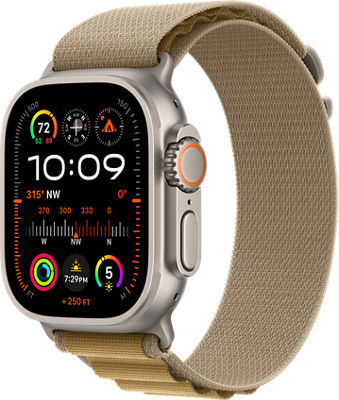
- Apple Watch Ultra 2 49mm in Natural Titanium Case With Tan Alpine Loop - Medium | Smartwatch: A strong choice when its primary function and listed specifications match a buyer’s routine.
- Apple iPhone 17 512GB in White | Smartphone: A different approach that may appeal to shoppers prioritizing flexibility, convenience, or a specific use case.
- Ultimate Ears MINIROLL Ultra-portable waterproof speaker - Revive Grey: A useful third option for shoppers whose requirements or budget differ from the first two.
1. Apple Watch Ultra 2 49mm in Natural Titanium Case With Tan Alpine Loop - Medium | Smartwatch
The first featured product is Apple Watch Ultra 2 49mm in Natural Titanium Case With Tan Alpine Loop - Medium | Smartwatch. It provides a concrete starting point for understanding what “best” means in this category. Instead of relying on the product name alone, review the live listing for the exact configuration, included components, dimensions, compatibility information, and current seller details. Those details can have a bigger effect on satisfaction than a headline feature.
One reason to consider this product is that it can be evaluated against a real use case rather than an abstract specification. Think about the task you expect to perform repeatedly. If the product makes that task easier, more consistent, more comfortable, or more convenient, its value becomes easier to justify. If its additional capabilities will rarely be used, however, a simpler alternative may deliver better value.
Price is another part of the decision, but it should be viewed in context. The listed price at the time this article was prepared is $ 699.99. Treat that as a reference rather than a permanent price because listings may change. A better comparison is the price you pay relative to how often you will use the product, how much setup is required, and what other purchases may be needed to make it useful.
Who should consider it?
This product is most compelling for shoppers whose routine matches its core purpose and who are comfortable with the requirements shown on the live listing. It may be less suitable for someone whose available space, compatibility needs, frequency of use, or preferred level of complexity differs. Before purchasing, write down the two or three requirements that would make the product unacceptable if they were missing, then verify those requirements directly.
What to verify before buying
Check the exact model or configuration, dimensions, included accessories, compatibility, care requirements, warranty or return information where available, and the current seller and price. For products that connect to other devices or equipment, confirm the connection standard rather than assuming compatibility from a product name. For physical products, measure the intended space and consider how the item will be stored when not in use.
2. Apple iPhone 17 512GB in White | Smartphone
The second featured option, Apple iPhone 17 512GB in White | Smartphone, gives this list a useful point of comparison. A best product list is more helpful when it acknowledges that different shoppers value different things. This option may be preferable when its particular combination of function, size, materials, controls, or convenience fits the buyer better than the first product.
When comparing the first and second products, avoid comparing isolated numbers. Ask whether the difference changes your experience. A feature that saves time every day can be meaningful; a feature that sounds impressive but never gets used may not be worth paying extra for. The same principle applies to capacity, portability, automation, adjustment options, and included accessories.
Use the live Search N Shop listing for Apple iPhone 17 512GB in White | Smartphone to verify the current information before ordering. Product pages are the appropriate place to confirm details because inventory, pricing, sellers, and configurations can change after editorial content has been published.
Check the current Apple iPhone 17 512GB in White | Smartphone listing
Where it can make more sense than the first option
The second choice can be the better purchase when its strengths align more closely with the buyer’s actual constraints. For example, a buyer may value easier storage over maximum capacity, straightforward operation over advanced controls, or a lower upfront commitment over additional features. The best choice is the one that removes the most friction from the intended routine.
Potential trade-offs
Every product involves trade-offs. More functionality can mean more controls and more maintenance. A compact design can reduce capacity. A lower price can mean fewer premium materials or conveniences. A highly specialized product can perform its intended task very well while being less useful outside that task. Recognizing these trade-offs is more useful than declaring a product perfect.
3. Ultimate Ears MINIROLL Ultra-portable waterproof speaker - Revive Grey
The third option is Ultimate Ears MINIROLL Ultra-portable waterproof speaker - Revive Grey. Including a third product is useful because shopping decisions rarely fall into a simple winner-versus-loser comparison. Some buyers have different budgets, different spaces, or different expectations. This product can therefore be evaluated as another legitimate solution rather than merely as an alternative included to make the list longer.
Consider how this product would fit into a normal week. Imagine where it would be kept, how often it would be used, what needs to happen before and after use, and what happens if cleaning, charging, adjustment, replacement, or maintenance is required. This “first week of ownership” test often exposes practical differences that are easy to miss when reading a specification sheet.
The live listing for Ultimate Ears MINIROLL Ultra-portable waterproof speaker - Revive Grey should be checked for current price and availability. Its listed reference price in the catalog is $ 59.99, but that figure should not be treated as a guarantee.
Explore Ultimate Ears MINIROLL Ultra-portable waterproof speaker - Revive Grey on SearchNShop
Feature Matrix
Criterion: Primary purpose — compare how directly each product addresses the task you need to solve. Ease of use: consider setup, controls, and how much attention the product requires. Space: confirm dimensions and storage requirements. Maintenance: identify cleaning, charging, replacement, or care tasks. Compatibility: verify that the product works with your existing equipment or routine. Value: compare the total ownership experience rather than purchase price alone.
The matrix is intentionally qualitative because the right weighting depends on the shopper. If space is the limiting factor, give space more weight. If the product will be used every day, give reliability and convenience more weight. If it is an occasional purchase, avoid paying for capabilities that will remain unused.
Common Buying Mistakes
- Buying the most expensive option automatically: Price can reflect materials and capabilities, but those benefits only matter when they improve your use case.
- Choosing from the product title alone: Titles are useful identifiers, not complete specification sheets.
- Ignoring physical fit: Measure available space and account for clearance, storage, and access.
- Forgetting maintenance: Cleaning, charging, care, and replacement requirements affect long-term convenience.
- Comparing unlike products: Use the same criteria for every candidate.
- Treating reviews as universal truth: Reviews describe experiences under particular conditions; they do not replace your own requirements.
- Ignoring compatibility: Confirm connectors, platforms, sizes, accessories, or other dependencies before ordering.
- Using old pricing: Verify the live listing because prices and availability can change.
- Overvaluing extra features: A feature is valuable only when it solves a meaningful problem.
- Skipping the return and support details: Understand the seller and manufacturer policies that apply to your purchase.
How to Choose the Best Option for Your Needs
Start by writing a short must-have list. Keep it strict: include only requirements that would make the product unusable or unsuitable if missing. Next, create a second list of preferences. These can improve convenience, appearance, flexibility, or enjoyment but should not override a missing must-have. This simple separation prevents a flashy feature from distracting you from a fundamental mismatch.
Then compare the three products using the same questions. Which one fits the intended space? Which one requires the least unwanted maintenance? Which one works with what you already own? Which one offers the right level of functionality without unnecessary complexity? Which one makes sense for the frequency with which you expect to use it?
Finally, verify the live product page immediately before buying. Product information is not static. A listing can change its seller, price, inventory status, included accessories, or configuration. Treat the article as a decision framework and the current listing as the final verification step.
Pros and Cons
- First option — Pros: concrete category fit, clear starting point for comparison, and useful when its core specifications match the buyer’s routine. Cons: may be unnecessary if its capabilities exceed your needs or if its physical requirements do not fit your space.
- Second option — Pros: provides a different balance of features, convenience, and value. Cons: may involve compromises in capacity, complexity, price, or flexibility depending on the buyer’s priorities.
- Third option — Pros: expands the decision beyond a two-product comparison and may better suit a different use case or budget. Cons: its strengths still need to be verified against the shopper’s must-have requirements.
What to Check Before You Buy
Does it solve the actual problem? If the answer is unclear, keep researching. Does it fit the space? Check dimensions and access. Is compatibility confirmed? Do not assume. Is the maintenance manageable? Think about the routine after purchase. Is the current listing accurate? Verify price, availability, seller, and specifications immediately before ordering.
Frequently Asked Questions
What makes a product the best choice?
The best choice is the product that most closely matches the buyer’s requirements while keeping unwanted cost, complexity, and maintenance under control. There is rarely a universal winner for every shopper.
Should I choose the product with the most features?
Not necessarily. Features matter when they solve a real problem. Extra functions can add cost and complexity without improving the experience for a particular buyer.
How many products should I compare?
A focused comparison of two or three relevant products is often enough. Comparing too many options can create noise, especially when the decision criteria are not consistent.
How should I think about price?
Look at price together with frequency of use, maintenance, durability, convenience, and the accessories or services required for the product to work as intended.
Can I rely on this article for current product details?
Use the article to understand the decision and then verify the live Search N Shop listing. Prices, availability, sellers, and specifications can change over time.
Final Takeaway
The strongest way to use this best product list is to treat it as a practical decision framework. Apple Watch Ultra 2 49mm in Natural Titanium Case With Tan Alpine Loop - Medium | Smartwatch, Apple iPhone 17 512GB in White | Smartphone, and Ultimate Ears MINIROLL Ultra-portable waterproof speaker - Revive Grey each provide a different starting point for evaluating value. Define the task first, identify your must-haves, compare equivalent criteria, consider ownership and maintenance, and verify the current listing before purchase. That approach is more dependable than choosing a product simply because it has the highest price, the longest feature list, or the strongest-sounding marketing language.
Product availability, pricing and specifications may change. Always verify the live listing and follow the manufacturer’s instructions before purchasing or using a product.
A Practical Final Checklist
- Define the main job the product must perform.
- Separate must-have requirements from nice-to-have features.
- Measure the available space and consider storage.
- Confirm compatibility with existing equipment or routines.
- Review setup, operation, cleaning, charging, and maintenance.
- Compare the same criteria across every product.
- Consider frequency of use and expected ownership period.
- Check current seller, price, availability, and configuration.
- Read manufacturer or product documentation where appropriate.
- Buy the option that solves the real problem with the fewest unnecessary compromises.