
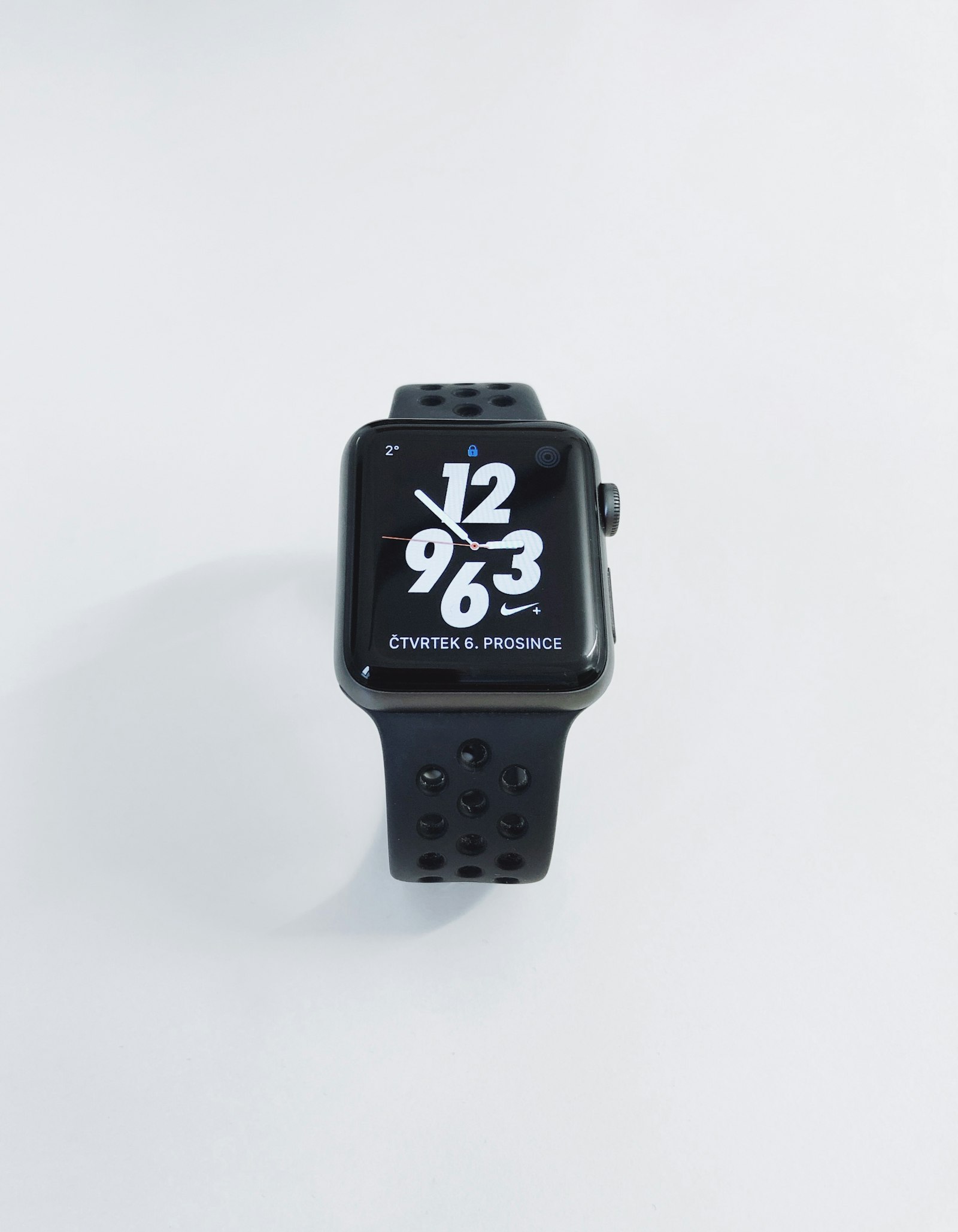
How to Choose a Smartwatch for Fitness, Notifications, and Everyday Convenience — A Practical First-Time Buyer’s Guide
How to Choose a Smartwatch for Fitness, Notifications, and Everyday Convenience
Choosing the right product is easier when the decision starts with the work, study, communication or everyday problem the device must solve. This guide is written for first-time buyers who want a practical framework instead of a specification dump. The goal is to compare meaningful differences, understand trade-offs, avoid common buying mistakes and verify the live listing before ordering.
For a concrete reference point, this guide uses Apple Watch Ultra 2 49mm in Natural Titanium Case With Tan Alpine Loop - Medium | Smartwatch, listed at $ 699.99 in the supplied Search N Shop product data. The listing is an example, not an automatic winner. Prices, availability and specifications can change, so the current product page should always be checked before purchase.
Start With the Problem You Need to Solve
Before comparing models, describe the tasks that matter most. A good buying decision begins with the job, the environment, the people involved and the constraints that could make a purchase unsuccessful. This approach also makes it easier to ignore attractive features that have little relevance to your life.
Key Factors to Compare
- Phone Compatibility: Evaluate this against your actual routine, required applications, comfort expectations and long-term ownership needs.
- Battery And Charging Routine: Evaluate this against your actual routine, required applications, comfort expectations and long-term ownership needs.
- Comfort And Case Size: Evaluate this against your actual routine, required applications, comfort expectations and long-term ownership needs.
- Health And Fitness Functions: Evaluate this against your actual routine, required applications, comfort expectations and long-term ownership needs.
- Notifications And Communication: Evaluate this against your actual routine, required applications, comfort expectations and long-term ownership needs.
- Gps And Outdoor Use: Evaluate this against your actual routine, required applications, comfort expectations and long-term ownership needs.
- Durability And Materials: Evaluate this against your actual routine, required applications, comfort expectations and long-term ownership needs.
- Band Ecosystem And Long-Term Ownership: Evaluate this against your actual routine, required applications, comfort expectations and long-term ownership needs.
Why the Featured Product Is a Useful Example
The supplied catalog identifies Apple Watch Ultra 2 49mm in Natural Titanium Case With Tan Alpine Loop - Medium | Smartwatch with product ID 8901436. Rather than treating a listing as a recommendation without context, use it as an anchor for the comparison. Ask whether its stated category, size, capacity, configuration and price make sense for your needs. The strongest purchase decision is one you can explain in terms of requirements rather than brand prestige.
How to Compare Products Without Getting Lost in Specifications
Define the job before the specification sheet
The best purchase begins with a job to be done rather than a list of impressive specifications. For active users, the most useful way to judge phone compatibility is to connect it to a real task such as workday notifications. Start by describing the result you need, then ask whether the specification helps you reach that result more comfortably, quickly or reliably. This simple sequence prevents the shopping process from turning into a contest of numbers and keeps attention on practical value.
It is also worth comparing phone compatibility with comfort and case size, because no single specification exists in isolation. A strong capability can be less useful if another part of the device creates friction, while a modest specification can be perfectly adequate when the workflow is light. Look for the point at which additional performance, capacity or convenience stops producing a meaningful improvement. That is usually a better place to spend money than simply moving to the most expensive option.
Before deciding, write down one concrete example from your own routine. If the device will be used every morning, during classes, between meetings or while traveling, imagine the complete sequence from opening or putting it on to finishing the task and putting it away. Include charging, updates, storage, accessories and any transfers of information. A buying decision becomes much clearer when the product is evaluated as part of a routine rather than as an isolated object.
Separate must-haves from nice-to-haves
A short list of non-negotiable requirements is more useful than trying to maximize every specification. For commuters, the most useful way to judge battery and charging routine is to connect it to a real task such as walking and exercise. Start by describing the result you need, then ask whether the specification helps you reach that result more comfortably, quickly or reliably. This simple sequence prevents the shopping process from turning into a contest of numbers and keeps attention on practical value.
It is also worth comparing battery and charging routine with health and fitness functions, because no single specification exists in isolation. A strong capability can be less useful if another part of the device creates friction, while a modest specification can be perfectly adequate when the workflow is light. Look for the point at which additional performance, capacity or convenience stops producing a meaningful improvement. That is usually a better place to spend money than simply moving to the most expensive option.
Before deciding, write down one concrete example from your own routine. If the device will be used every morning, during classes, between meetings or while traveling, imagine the complete sequence from opening or putting it on to finishing the task and putting it away. Include charging, updates, storage, accessories and any transfers of information. A buying decision becomes much clearer when the product is evaluated as part of a routine rather than as an isolated object.
Think about your real routine
A product can look excellent in a comparison table and still be awkward when it enters an ordinary weekday. For professionals, the most useful way to judge comfort and case size is to connect it to a real task such as outdoor navigation. Start by describing the result you need, then ask whether the specification helps you reach that result more comfortably, quickly or reliably. This simple sequence prevents the shopping process from turning into a contest of numbers and keeps attention on practical value.
It is also worth comparing comfort and case size with notifications and communication, because no single specification exists in isolation. A strong capability can be less useful if another part of the device creates friction, while a modest specification can be perfectly adequate when the workflow is light. Look for the point at which additional performance, capacity or convenience stops producing a meaningful improvement. That is usually a better place to spend money than simply moving to the most expensive option.
Before deciding, write down one concrete example from your own routine. If the device will be used every morning, during classes, between meetings or while traveling, imagine the complete sequence from opening or putting it on to finishing the task and putting it away. Include charging, updates, storage, accessories and any transfers of information. A buying decision becomes much clearer when the product is evaluated as part of a routine rather than as an isolated object.
Consider the environment
Where and how a device is used changes which specifications deserve attention. For fitness beginners, the most useful way to judge health and fitness functions is to connect it to a real task such as timers and reminders. Start by describing the result you need, then ask whether the specification helps you reach that result more comfortably, quickly or reliably. This simple sequence prevents the shopping process from turning into a contest of numbers and keeps attention on practical value.
It is also worth comparing health and fitness functions with GPS and outdoor use, because no single specification exists in isolation. A strong capability can be less useful if another part of the device creates friction, while a modest specification can be perfectly adequate when the workflow is light. Look for the point at which additional performance, capacity or convenience stops producing a meaningful improvement. That is usually a better place to spend money than simply moving to the most expensive option.
Before deciding, write down one concrete example from your own routine. If the device will be used every morning, during classes, between meetings or while traveling, imagine the complete sequence from opening or putting it on to finishing the task and putting it away. Include charging, updates, storage, accessories and any transfers of information. A buying decision becomes much clearer when the product is evaluated as part of a routine rather than as an isolated object.
Measure value by frequency of use
The more often a device is used, the more weight you should give to comfort, reliability and small daily conveniences. For travelers, the most useful way to judge notifications and communication is to connect it to a real task such as sleep and recovery routines. Start by describing the result you need, then ask whether the specification helps you reach that result more comfortably, quickly or reliably. This simple sequence prevents the shopping process from turning into a contest of numbers and keeps attention on practical value.
It is also worth comparing notifications and communication with durability and materials, because no single specification exists in isolation. A strong capability can be less useful if another part of the device creates friction, while a modest specification can be perfectly adequate when the workflow is light. Look for the point at which additional performance, capacity or convenience stops producing a meaningful improvement. That is usually a better place to spend money than simply moving to the most expensive option.
Before deciding, write down one concrete example from your own routine. If the device will be used every morning, during classes, between meetings or while traveling, imagine the complete sequence from opening or putting it on to finishing the task and putting it away. Include charging, updates, storage, accessories and any transfers of information. A buying decision becomes much clearer when the product is evaluated as part of a routine rather than as an isolated object.
Avoid buying for an imaginary future
Future-proofing has value, but paying for capabilities you are unlikely to use can weaken the overall value. For people who want fewer phone checks, the most useful way to judge GPS and outdoor use is to connect it to a real task such as quick communication. Start by describing the result you need, then ask whether the specification helps you reach that result more comfortably, quickly or reliably. This simple sequence prevents the shopping process from turning into a contest of numbers and keeps attention on practical value.
It is also worth comparing GPS and outdoor use with band ecosystem and long-term ownership, because no single specification exists in isolation. A strong capability can be less useful if another part of the device creates friction, while a modest specification can be perfectly adequate when the workflow is light. Look for the point at which additional performance, capacity or convenience stops producing a meaningful improvement. That is usually a better place to spend money than simply moving to the most expensive option.
Before deciding, write down one concrete example from your own routine. If the device will be used every morning, during classes, between meetings or while traveling, imagine the complete sequence from opening or putting it on to finishing the task and putting it away. Include charging, updates, storage, accessories and any transfers of information. A buying decision becomes much clearer when the product is evaluated as part of a routine rather than as an isolated object.
Look beyond headline numbers
A specification matters when it changes a real task, not simply because its number is larger. For active users, the most useful way to judge durability and materials is to connect it to a real task such as activity tracking. Start by describing the result you need, then ask whether the specification helps you reach that result more comfortably, quickly or reliably. This simple sequence prevents the shopping process from turning into a contest of numbers and keeps attention on practical value.
It is also worth comparing durability and materials with phone compatibility, because no single specification exists in isolation. A strong capability can be less useful if another part of the device creates friction, while a modest specification can be perfectly adequate when the workflow is light. Look for the point at which additional performance, capacity or convenience stops producing a meaningful improvement. That is usually a better place to spend money than simply moving to the most expensive option.
Before deciding, write down one concrete example from your own routine. If the device will be used every morning, during classes, between meetings or while traveling, imagine the complete sequence from opening or putting it on to finishing the task and putting it away. Include charging, updates, storage, accessories and any transfers of information. A buying decision becomes much clearer when the product is evaluated as part of a routine rather than as an isolated object.
Compare like with like
A fair comparison uses the same criteria for every candidate and separates confirmed specifications from assumptions. For commuters, the most useful way to judge band ecosystem and long-term ownership is to connect it to a real task such as travel. Start by describing the result you need, then ask whether the specification helps you reach that result more comfortably, quickly or reliably. This simple sequence prevents the shopping process from turning into a contest of numbers and keeps attention on practical value.
It is also worth comparing band ecosystem and long-term ownership with battery and charging routine, because no single specification exists in isolation. A strong capability can be less useful if another part of the device creates friction, while a modest specification can be perfectly adequate when the workflow is light. Look for the point at which additional performance, capacity or convenience stops producing a meaningful improvement. That is usually a better place to spend money than simply moving to the most expensive option.
Before deciding, write down one concrete example from your own routine. If the device will be used every morning, during classes, between meetings or while traveling, imagine the complete sequence from opening or putting it on to finishing the task and putting it away. Include charging, updates, storage, accessories and any transfers of information. A buying decision becomes much clearer when the product is evaluated as part of a routine rather than as an isolated object.
Check the complete ownership picture
Purchase price is only one part of the cost; accessories, maintenance, charging and replacement can matter too. For professionals, the most useful way to judge phone compatibility is to connect it to a real task such as workday notifications. Start by describing the result you need, then ask whether the specification helps you reach that result more comfortably, quickly or reliably. This simple sequence prevents the shopping process from turning into a contest of numbers and keeps attention on practical value.
It is also worth comparing phone compatibility with comfort and case size, because no single specification exists in isolation. A strong capability can be less useful if another part of the device creates friction, while a modest specification can be perfectly adequate when the workflow is light. Look for the point at which additional performance, capacity or convenience stops producing a meaningful improvement. That is usually a better place to spend money than simply moving to the most expensive option.
Before deciding, write down one concrete example from your own routine. If the device will be used every morning, during classes, between meetings or while traveling, imagine the complete sequence from opening or putting it on to finishing the task and putting it away. Include charging, updates, storage, accessories and any transfers of information. A buying decision becomes much clearer when the product is evaluated as part of a routine rather than as an isolated object.
Read reviews for patterns
Individual reviews are anecdotes, while repeated comments can reveal recurring strengths or friction points. For fitness beginners, the most useful way to judge battery and charging routine is to connect it to a real task such as walking and exercise. Start by describing the result you need, then ask whether the specification helps you reach that result more comfortably, quickly or reliably. This simple sequence prevents the shopping process from turning into a contest of numbers and keeps attention on practical value.
It is also worth comparing battery and charging routine with health and fitness functions, because no single specification exists in isolation. A strong capability can be less useful if another part of the device creates friction, while a modest specification can be perfectly adequate when the workflow is light. Look for the point at which additional performance, capacity or convenience stops producing a meaningful improvement. That is usually a better place to spend money than simply moving to the most expensive option.
Before deciding, write down one concrete example from your own routine. If the device will be used every morning, during classes, between meetings or while traveling, imagine the complete sequence from opening or putting it on to finishing the task and putting it away. Include charging, updates, storage, accessories and any transfers of information. A buying decision becomes much clearer when the product is evaluated as part of a routine rather than as an isolated object.
Verify the live listing
Product information can change, so the current listing should be the final checkpoint before purchase. For travelers, the most useful way to judge comfort and case size is to connect it to a real task such as outdoor navigation. Start by describing the result you need, then ask whether the specification helps you reach that result more comfortably, quickly or reliably. This simple sequence prevents the shopping process from turning into a contest of numbers and keeps attention on practical value.
It is also worth comparing comfort and case size with notifications and communication, because no single specification exists in isolation. A strong capability can be less useful if another part of the device creates friction, while a modest specification can be perfectly adequate when the workflow is light. Look for the point at which additional performance, capacity or convenience stops producing a meaningful improvement. That is usually a better place to spend money than simply moving to the most expensive option.
Before deciding, write down one concrete example from your own routine. If the device will be used every morning, during classes, between meetings or while traveling, imagine the complete sequence from opening or putting it on to finishing the task and putting it away. Include charging, updates, storage, accessories and any transfers of information. A buying decision becomes much clearer when the product is evaluated as part of a routine rather than as an isolated object.
Think about setup time
A product that takes longer to configure may be fine for an enthusiast but frustrating for someone who wants immediate utility. For people who want fewer phone checks, the most useful way to judge health and fitness functions is to connect it to a real task such as timers and reminders. Start by describing the result you need, then ask whether the specification helps you reach that result more comfortably, quickly or reliably. This simple sequence prevents the shopping process from turning into a contest of numbers and keeps attention on practical value.
It is also worth comparing health and fitness functions with GPS and outdoor use, because no single specification exists in isolation. A strong capability can be less useful if another part of the device creates friction, while a modest specification can be perfectly adequate when the workflow is light. Look for the point at which additional performance, capacity or convenience stops producing a meaningful improvement. That is usually a better place to spend money than simply moving to the most expensive option.
Before deciding, write down one concrete example from your own routine. If the device will be used every morning, during classes, between meetings or while traveling, imagine the complete sequence from opening or putting it on to finishing the task and putting it away. Include charging, updates, storage, accessories and any transfers of information. A buying decision becomes much clearer when the product is evaluated as part of a routine rather than as an isolated object.
Consider compatibility first
A device that does not work properly with the software, accessories or ecosystem you already use may be a poor value. For active users, the most useful way to judge notifications and communication is to connect it to a real task such as sleep and recovery routines. Start by describing the result you need, then ask whether the specification helps you reach that result more comfortably, quickly or reliably. This simple sequence prevents the shopping process from turning into a contest of numbers and keeps attention on practical value.
It is also worth comparing notifications and communication with durability and materials, because no single specification exists in isolation. A strong capability can be less useful if another part of the device creates friction, while a modest specification can be perfectly adequate when the workflow is light. Look for the point at which additional performance, capacity or convenience stops producing a meaningful improvement. That is usually a better place to spend money than simply moving to the most expensive option.
Before deciding, write down one concrete example from your own routine. If the device will be used every morning, during classes, between meetings or while traveling, imagine the complete sequence from opening or putting it on to finishing the task and putting it away. Include charging, updates, storage, accessories and any transfers of information. A buying decision becomes much clearer when the product is evaluated as part of a routine rather than as an isolated object.
Account for physical comfort
Weight, dimensions, controls and materials become more important when a device is handled for long periods. For commuters, the most useful way to judge GPS and outdoor use is to connect it to a real task such as quick communication. Start by describing the result you need, then ask whether the specification helps you reach that result more comfortably, quickly or reliably. This simple sequence prevents the shopping process from turning into a contest of numbers and keeps attention on practical value.
It is also worth comparing GPS and outdoor use with band ecosystem and long-term ownership, because no single specification exists in isolation. A strong capability can be less useful if another part of the device creates friction, while a modest specification can be perfectly adequate when the workflow is light. Look for the point at which additional performance, capacity or convenience stops producing a meaningful improvement. That is usually a better place to spend money than simply moving to the most expensive option.
Before deciding, write down one concrete example from your own routine. If the device will be used every morning, during classes, between meetings or while traveling, imagine the complete sequence from opening or putting it on to finishing the task and putting it away. Include charging, updates, storage, accessories and any transfers of information. A buying decision becomes much clearer when the product is evaluated as part of a routine rather than as an isolated object.
Plan for charging and maintenance
The best technical specification is less useful if the daily routine required to support it is inconvenient. For professionals, the most useful way to judge durability and materials is to connect it to a real task such as activity tracking. Start by describing the result you need, then ask whether the specification helps you reach that result more comfortably, quickly or reliably. This simple sequence prevents the shopping process from turning into a contest of numbers and keeps attention on practical value.
It is also worth comparing durability and materials with phone compatibility, because no single specification exists in isolation. A strong capability can be less useful if another part of the device creates friction, while a modest specification can be perfectly adequate when the workflow is light. Look for the point at which additional performance, capacity or convenience stops producing a meaningful improvement. That is usually a better place to spend money than simply moving to the most expensive option.
Before deciding, write down one concrete example from your own routine. If the device will be used every morning, during classes, between meetings or while traveling, imagine the complete sequence from opening or putting it on to finishing the task and putting it away. Include charging, updates, storage, accessories and any transfers of information. A buying decision becomes much clearer when the product is evaluated as part of a routine rather than as an isolated object.
Think about storage and portability
A device that is easy to carry, store or access often gets used more consistently. For fitness beginners, the most useful way to judge band ecosystem and long-term ownership is to connect it to a real task such as travel. Start by describing the result you need, then ask whether the specification helps you reach that result more comfortably, quickly or reliably. This simple sequence prevents the shopping process from turning into a contest of numbers and keeps attention on practical value.
It is also worth comparing band ecosystem and long-term ownership with battery and charging routine, because no single specification exists in isolation. A strong capability can be less useful if another part of the device creates friction, while a modest specification can be perfectly adequate when the workflow is light. Look for the point at which additional performance, capacity or convenience stops producing a meaningful improvement. That is usually a better place to spend money than simply moving to the most expensive option.
Before deciding, write down one concrete example from your own routine. If the device will be used every morning, during classes, between meetings or while traveling, imagine the complete sequence from opening or putting it on to finishing the task and putting it away. Include charging, updates, storage, accessories and any transfers of information. A buying decision becomes much clearer when the product is evaluated as part of a routine rather than as an isolated object.
Use a simple scoring method
Scoring candidates on the same criteria can make a crowded market easier to understand without pretending the result is mathematically objective. For travelers, the most useful way to judge phone compatibility is to connect it to a real task such as workday notifications. Start by describing the result you need, then ask whether the specification helps you reach that result more comfortably, quickly or reliably. This simple sequence prevents the shopping process from turning into a contest of numbers and keeps attention on practical value.
It is also worth comparing phone compatibility with comfort and case size, because no single specification exists in isolation. A strong capability can be less useful if another part of the device creates friction, while a modest specification can be perfectly adequate when the workflow is light. Look for the point at which additional performance, capacity or convenience stops producing a meaningful improvement. That is usually a better place to spend money than simply moving to the most expensive option.
Before deciding, write down one concrete example from your own routine. If the device will be used every morning, during classes, between meetings or while traveling, imagine the complete sequence from opening or putting it on to finishing the task and putting it away. Include charging, updates, storage, accessories and any transfers of information. A buying decision becomes much clearer when the product is evaluated as part of a routine rather than as an isolated object.
Ask what would make you regret the purchase
The fastest way to identify a critical specification is to imagine what would annoy you after the return window closes. For people who want fewer phone checks, the most useful way to judge battery and charging routine is to connect it to a real task such as walking and exercise. Start by describing the result you need, then ask whether the specification helps you reach that result more comfortably, quickly or reliably. This simple sequence prevents the shopping process from turning into a contest of numbers and keeps attention on practical value.
It is also worth comparing battery and charging routine with health and fitness functions, because no single specification exists in isolation. A strong capability can be less useful if another part of the device creates friction, while a modest specification can be perfectly adequate when the workflow is light. Look for the point at which additional performance, capacity or convenience stops producing a meaningful improvement. That is usually a better place to spend money than simply moving to the most expensive option.
Before deciding, write down one concrete example from your own routine. If the device will be used every morning, during classes, between meetings or while traveling, imagine the complete sequence from opening or putting it on to finishing the task and putting it away. Include charging, updates, storage, accessories and any transfers of information. A buying decision becomes much clearer when the product is evaluated as part of a routine rather than as an isolated object.
Consider who else will use it
Shared households and family purchases create different requirements from a personal device used by one person. For active users, the most useful way to judge comfort and case size is to connect it to a real task such as outdoor navigation. Start by describing the result you need, then ask whether the specification helps you reach that result more comfortably, quickly or reliably. This simple sequence prevents the shopping process from turning into a contest of numbers and keeps attention on practical value.
It is also worth comparing comfort and case size with notifications and communication, because no single specification exists in isolation. A strong capability can be less useful if another part of the device creates friction, while a modest specification can be perfectly adequate when the workflow is light. Look for the point at which additional performance, capacity or convenience stops producing a meaningful improvement. That is usually a better place to spend money than simply moving to the most expensive option.
Before deciding, write down one concrete example from your own routine. If the device will be used every morning, during classes, between meetings or while traveling, imagine the complete sequence from opening or putting it on to finishing the task and putting it away. Include charging, updates, storage, accessories and any transfers of information. A buying decision becomes much clearer when the product is evaluated as part of a routine rather than as an isolated object.
Balance performance and simplicity
More capability can be useful, but unnecessary complexity can create more setup and maintenance work. For commuters, the most useful way to judge health and fitness functions is to connect it to a real task such as timers and reminders. Start by describing the result you need, then ask whether the specification helps you reach that result more comfortably, quickly or reliably. This simple sequence prevents the shopping process from turning into a contest of numbers and keeps attention on practical value.
It is also worth comparing health and fitness functions with GPS and outdoor use, because no single specification exists in isolation. A strong capability can be less useful if another part of the device creates friction, while a modest specification can be perfectly adequate when the workflow is light. Look for the point at which additional performance, capacity or convenience stops producing a meaningful improvement. That is usually a better place to spend money than simply moving to the most expensive option.
Before deciding, write down one concrete example from your own routine. If the device will be used every morning, during classes, between meetings or while traveling, imagine the complete sequence from opening or putting it on to finishing the task and putting it away. Include charging, updates, storage, accessories and any transfers of information. A buying decision becomes much clearer when the product is evaluated as part of a routine rather than as an isolated object.
Think about connectivity
Wireless standards, ports, network access and accessory support can determine whether a device fits into an existing setup. For professionals, the most useful way to judge notifications and communication is to connect it to a real task such as sleep and recovery routines. Start by describing the result you need, then ask whether the specification helps you reach that result more comfortably, quickly or reliably. This simple sequence prevents the shopping process from turning into a contest of numbers and keeps attention on practical value.
It is also worth comparing notifications and communication with durability and materials, because no single specification exists in isolation. A strong capability can be less useful if another part of the device creates friction, while a modest specification can be perfectly adequate when the workflow is light. Look for the point at which additional performance, capacity or convenience stops producing a meaningful improvement. That is usually a better place to spend money than simply moving to the most expensive option.
Before deciding, write down one concrete example from your own routine. If the device will be used every morning, during classes, between meetings or while traveling, imagine the complete sequence from opening or putting it on to finishing the task and putting it away. Include charging, updates, storage, accessories and any transfers of information. A buying decision becomes much clearer when the product is evaluated as part of a routine rather than as an isolated object.
Review software needs
The right hardware can still be wrong if the applications you depend on are unavailable or poorly supported. For fitness beginners, the most useful way to judge GPS and outdoor use is to connect it to a real task such as quick communication. Start by describing the result you need, then ask whether the specification helps you reach that result more comfortably, quickly or reliably. This simple sequence prevents the shopping process from turning into a contest of numbers and keeps attention on practical value.
It is also worth comparing GPS and outdoor use with band ecosystem and long-term ownership, because no single specification exists in isolation. A strong capability can be less useful if another part of the device creates friction, while a modest specification can be perfectly adequate when the workflow is light. Look for the point at which additional performance, capacity or convenience stops producing a meaningful improvement. That is usually a better place to spend money than simply moving to the most expensive option.
Before deciding, write down one concrete example from your own routine. If the device will be used every morning, during classes, between meetings or while traveling, imagine the complete sequence from opening or putting it on to finishing the task and putting it away. Include charging, updates, storage, accessories and any transfers of information. A buying decision becomes much clearer when the product is evaluated as part of a routine rather than as an isolated object.
Think about data and accounts
Sign-in requirements, backups, transfers and cloud services affect the practical experience of ownership. For travelers, the most useful way to judge durability and materials is to connect it to a real task such as activity tracking. Start by describing the result you need, then ask whether the specification helps you reach that result more comfortably, quickly or reliably. This simple sequence prevents the shopping process from turning into a contest of numbers and keeps attention on practical value.
It is also worth comparing durability and materials with phone compatibility, because no single specification exists in isolation. A strong capability can be less useful if another part of the device creates friction, while a modest specification can be perfectly adequate when the workflow is light. Look for the point at which additional performance, capacity or convenience stops producing a meaningful improvement. That is usually a better place to spend money than simply moving to the most expensive option.
Before deciding, write down one concrete example from your own routine. If the device will be used every morning, during classes, between meetings or while traveling, imagine the complete sequence from opening or putting it on to finishing the task and putting it away. Include charging, updates, storage, accessories and any transfers of information. A buying decision becomes much clearer when the product is evaluated as part of a routine rather than as an isolated object.
Consider durability honestly
Durability is not only about premium materials; it also includes how well the device fits the user's routine. For people who want fewer phone checks, the most useful way to judge band ecosystem and long-term ownership is to connect it to a real task such as travel. Start by describing the result you need, then ask whether the specification helps you reach that result more comfortably, quickly or reliably. This simple sequence prevents the shopping process from turning into a contest of numbers and keeps attention on practical value.
It is also worth comparing band ecosystem and long-term ownership with battery and charging routine, because no single specification exists in isolation. A strong capability can be less useful if another part of the device creates friction, while a modest specification can be perfectly adequate when the workflow is light. Look for the point at which additional performance, capacity or convenience stops producing a meaningful improvement. That is usually a better place to spend money than simply moving to the most expensive option.
Before deciding, write down one concrete example from your own routine. If the device will be used every morning, during classes, between meetings or while traveling, imagine the complete sequence from opening or putting it on to finishing the task and putting it away. Include charging, updates, storage, accessories and any transfers of information. A buying decision becomes much clearer when the product is evaluated as part of a routine rather than as an isolated object.
Look at service and replacement
A sensible purchase includes a plan for what happens when a cable, battery, accessory or other component eventually needs attention. For active users, the most useful way to judge phone compatibility is to connect it to a real task such as workday notifications. Start by describing the result you need, then ask whether the specification helps you reach that result more comfortably, quickly or reliably. This simple sequence prevents the shopping process from turning into a contest of numbers and keeps attention on practical value.
It is also worth comparing phone compatibility with comfort and case size, because no single specification exists in isolation. A strong capability can be less useful if another part of the device creates friction, while a modest specification can be perfectly adequate when the workflow is light. Look for the point at which additional performance, capacity or convenience stops producing a meaningful improvement. That is usually a better place to spend money than simply moving to the most expensive option.
Before deciding, write down one concrete example from your own routine. If the device will be used every morning, during classes, between meetings or while traveling, imagine the complete sequence from opening or putting it on to finishing the task and putting it away. Include charging, updates, storage, accessories and any transfers of information. A buying decision becomes much clearer when the product is evaluated as part of a routine rather than as an isolated object.
Do not confuse premium with appropriate
A premium product can be excellent and still be the wrong purchase for a modest workflow. For commuters, the most useful way to judge battery and charging routine is to connect it to a real task such as walking and exercise. Start by describing the result you need, then ask whether the specification helps you reach that result more comfortably, quickly or reliably. This simple sequence prevents the shopping process from turning into a contest of numbers and keeps attention on practical value.
It is also worth comparing battery and charging routine with health and fitness functions, because no single specification exists in isolation. A strong capability can be less useful if another part of the device creates friction, while a modest specification can be perfectly adequate when the workflow is light. Look for the point at which additional performance, capacity or convenience stops producing a meaningful improvement. That is usually a better place to spend money than simply moving to the most expensive option.
Before deciding, write down one concrete example from your own routine. If the device will be used every morning, during classes, between meetings or while traveling, imagine the complete sequence from opening or putting it on to finishing the task and putting it away. Include charging, updates, storage, accessories and any transfers of information. A buying decision becomes much clearer when the product is evaluated as part of a routine rather than as an isolated object.
Check dimensions against your setup
Physical fit can matter as much as performance when a device shares a desk, bag, pocket or charging area. For professionals, the most useful way to judge comfort and case size is to connect it to a real task such as outdoor navigation. Start by describing the result you need, then ask whether the specification helps you reach that result more comfortably, quickly or reliably. This simple sequence prevents the shopping process from turning into a contest of numbers and keeps attention on practical value.
It is also worth comparing comfort and case size with notifications and communication, because no single specification exists in isolation. A strong capability can be less useful if another part of the device creates friction, while a modest specification can be perfectly adequate when the workflow is light. Look for the point at which additional performance, capacity or convenience stops producing a meaningful improvement. That is usually a better place to spend money than simply moving to the most expensive option.
Before deciding, write down one concrete example from your own routine. If the device will be used every morning, during classes, between meetings or while traveling, imagine the complete sequence from opening or putting it on to finishing the task and putting it away. Include charging, updates, storage, accessories and any transfers of information. A buying decision becomes much clearer when the product is evaluated as part of a routine rather than as an isolated object.
Consider accessibility and usability
Controls, text size, screen visibility and interaction patterns can be decisive for comfort and efficiency. For fitness beginners, the most useful way to judge health and fitness functions is to connect it to a real task such as timers and reminders. Start by describing the result you need, then ask whether the specification helps you reach that result more comfortably, quickly or reliably. This simple sequence prevents the shopping process from turning into a contest of numbers and keeps attention on practical value.
It is also worth comparing health and fitness functions with GPS and outdoor use, because no single specification exists in isolation. A strong capability can be less useful if another part of the device creates friction, while a modest specification can be perfectly adequate when the workflow is light. Look for the point at which additional performance, capacity or convenience stops producing a meaningful improvement. That is usually a better place to spend money than simply moving to the most expensive option.
Before deciding, write down one concrete example from your own routine. If the device will be used every morning, during classes, between meetings or while traveling, imagine the complete sequence from opening or putting it on to finishing the task and putting it away. Include charging, updates, storage, accessories and any transfers of information. A buying decision becomes much clearer when the product is evaluated as part of a routine rather than as an isolated object.
Review the return and warranty conditions
Policies vary, so buyers should understand the practical process before ordering. For travelers, the most useful way to judge notifications and communication is to connect it to a real task such as sleep and recovery routines. Start by describing the result you need, then ask whether the specification helps you reach that result more comfortably, quickly or reliably. This simple sequence prevents the shopping process from turning into a contest of numbers and keeps attention on practical value.
It is also worth comparing notifications and communication with durability and materials, because no single specification exists in isolation. A strong capability can be less useful if another part of the device creates friction, while a modest specification can be perfectly adequate when the workflow is light. Look for the point at which additional performance, capacity or convenience stops producing a meaningful improvement. That is usually a better place to spend money than simply moving to the most expensive option.
Before deciding, write down one concrete example from your own routine. If the device will be used every morning, during classes, between meetings or while traveling, imagine the complete sequence from opening or putting it on to finishing the task and putting it away. Include charging, updates, storage, accessories and any transfers of information. A buying decision becomes much clearer when the product is evaluated as part of a routine rather than as an isolated object.
Decide what evidence you need
Use manufacturer specifications for hard facts, independent testing for performance context, and user reviews for everyday experience. For people who want fewer phone checks, the most useful way to judge GPS and outdoor use is to connect it to a real task such as quick communication. Start by describing the result you need, then ask whether the specification helps you reach that result more comfortably, quickly or reliably. This simple sequence prevents the shopping process from turning into a contest of numbers and keeps attention on practical value.
It is also worth comparing GPS and outdoor use with band ecosystem and long-term ownership, because no single specification exists in isolation. A strong capability can be less useful if another part of the device creates friction, while a modest specification can be perfectly adequate when the workflow is light. Look for the point at which additional performance, capacity or convenience stops producing a meaningful improvement. That is usually a better place to spend money than simply moving to the most expensive option.
Before deciding, write down one concrete example from your own routine. If the device will be used every morning, during classes, between meetings or while traveling, imagine the complete sequence from opening or putting it on to finishing the task and putting it away. Include charging, updates, storage, accessories and any transfers of information. A buying decision becomes much clearer when the product is evaluated as part of a routine rather than as an isolated object.
Make the final choice deliberately
Once a candidate satisfies the must-haves, choose based on the trade-offs that matter most to you. For active users, the most useful way to judge durability and materials is to connect it to a real task such as activity tracking. Start by describing the result you need, then ask whether the specification helps you reach that result more comfortably, quickly or reliably. This simple sequence prevents the shopping process from turning into a contest of numbers and keeps attention on practical value.
It is also worth comparing durability and materials with phone compatibility, because no single specification exists in isolation. A strong capability can be less useful if another part of the device creates friction, while a modest specification can be perfectly adequate when the workflow is light. Look for the point at which additional performance, capacity or convenience stops producing a meaningful improvement. That is usually a better place to spend money than simply moving to the most expensive option.
Before deciding, write down one concrete example from your own routine. If the device will be used every morning, during classes, between meetings or while traveling, imagine the complete sequence from opening or putting it on to finishing the task and putting it away. Include charging, updates, storage, accessories and any transfers of information. A buying decision becomes much clearer when the product is evaluated as part of a routine rather than as an isolated object.
Define the job before the specification sheet
The best purchase begins with a job to be done rather than a list of impressive specifications. For commuters, the most useful way to judge band ecosystem and long-term ownership is to connect it to a real task such as travel. Start by describing the result you need, then ask whether the specification helps you reach that result more comfortably, quickly or reliably. This simple sequence prevents the shopping process from turning into a contest of numbers and keeps attention on practical value.
It is also worth comparing band ecosystem and long-term ownership with battery and charging routine, because no single specification exists in isolation. A strong capability can be less useful if another part of the device creates friction, while a modest specification can be perfectly adequate when the workflow is light. Look for the point at which additional performance, capacity or convenience stops producing a meaningful improvement. That is usually a better place to spend money than simply moving to the most expensive option.
Before deciding, write down one concrete example from your own routine. If the device will be used every morning, during classes, between meetings or while traveling, imagine the complete sequence from opening or putting it on to finishing the task and putting it away. Include charging, updates, storage, accessories and any transfers of information. A buying decision becomes much clearer when the product is evaluated as part of a routine rather than as an isolated object.
Separate must-haves from nice-to-haves
A short list of non-negotiable requirements is more useful than trying to maximize every specification. For professionals, the most useful way to judge phone compatibility is to connect it to a real task such as workday notifications. Start by describing the result you need, then ask whether the specification helps you reach that result more comfortably, quickly or reliably. This simple sequence prevents the shopping process from turning into a contest of numbers and keeps attention on practical value.
It is also worth comparing phone compatibility with comfort and case size, because no single specification exists in isolation. A strong capability can be less useful if another part of the device creates friction, while a modest specification can be perfectly adequate when the workflow is light. Look for the point at which additional performance, capacity or convenience stops producing a meaningful improvement. That is usually a better place to spend money than simply moving to the most expensive option.
Before deciding, write down one concrete example from your own routine. If the device will be used every morning, during classes, between meetings or while traveling, imagine the complete sequence from opening or putting it on to finishing the task and putting it away. Include charging, updates, storage, accessories and any transfers of information. A buying decision becomes much clearer when the product is evaluated as part of a routine rather than as an isolated object.
Think about your real routine
A product can look excellent in a comparison table and still be awkward when it enters an ordinary weekday. For fitness beginners, the most useful way to judge battery and charging routine is to connect it to a real task such as walking and exercise. Start by describing the result you need, then ask whether the specification helps you reach that result more comfortably, quickly or reliably. This simple sequence prevents the shopping process from turning into a contest of numbers and keeps attention on practical value.
It is also worth comparing battery and charging routine with health and fitness functions, because no single specification exists in isolation. A strong capability can be less useful if another part of the device creates friction, while a modest specification can be perfectly adequate when the workflow is light. Look for the point at which additional performance, capacity or convenience stops producing a meaningful improvement. That is usually a better place to spend money than simply moving to the most expensive option.
Before deciding, write down one concrete example from your own routine. If the device will be used every morning, during classes, between meetings or while traveling, imagine the complete sequence from opening or putting it on to finishing the task and putting it away. Include charging, updates, storage, accessories and any transfers of information. A buying decision becomes much clearer when the product is evaluated as part of a routine rather than as an isolated object.
Consider the environment
Where and how a device is used changes which specifications deserve attention. For travelers, the most useful way to judge comfort and case size is to connect it to a real task such as outdoor navigation. Start by describing the result you need, then ask whether the specification helps you reach that result more comfortably, quickly or reliably. This simple sequence prevents the shopping process from turning into a contest of numbers and keeps attention on practical value.
It is also worth comparing comfort and case size with notifications and communication, because no single specification exists in isolation. A strong capability can be less useful if another part of the device creates friction, while a modest specification can be perfectly adequate when the workflow is light. Look for the point at which additional performance, capacity or convenience stops producing a meaningful improvement. That is usually a better place to spend money than simply moving to the most expensive option.
Before deciding, write down one concrete example from your own routine. If the device will be used every morning, during classes, between meetings or while traveling, imagine the complete sequence from opening or putting it on to finishing the task and putting it away. Include charging, updates, storage, accessories and any transfers of information. A buying decision becomes much clearer when the product is evaluated as part of a routine rather than as an isolated object.
Measure value by frequency of use
The more often a device is used, the more weight you should give to comfort, reliability and small daily conveniences. For people who want fewer phone checks, the most useful way to judge health and fitness functions is to connect it to a real task such as timers and reminders. Start by describing the result you need, then ask whether the specification helps you reach that result more comfortably, quickly or reliably. This simple sequence prevents the shopping process from turning into a contest of numbers and keeps attention on practical value.
It is also worth comparing health and fitness functions with GPS and outdoor use, because no single specification exists in isolation. A strong capability can be less useful if another part of the device creates friction, while a modest specification can be perfectly adequate when the workflow is light. Look for the point at which additional performance, capacity or convenience stops producing a meaningful improvement. That is usually a better place to spend money than simply moving to the most expensive option.
Before deciding, write down one concrete example from your own routine. If the device will be used every morning, during classes, between meetings or while traveling, imagine the complete sequence from opening or putting it on to finishing the task and putting it away. Include charging, updates, storage, accessories and any transfers of information. A buying decision becomes much clearer when the product is evaluated as part of a routine rather than as an isolated object.
Avoid buying for an imaginary future
Future-proofing has value, but paying for capabilities you are unlikely to use can weaken the overall value. For active users, the most useful way to judge notifications and communication is to connect it to a real task such as sleep and recovery routines. Start by describing the result you need, then ask whether the specification helps you reach that result more comfortably, quickly or reliably. This simple sequence prevents the shopping process from turning into a contest of numbers and keeps attention on practical value.
It is also worth comparing notifications and communication with durability and materials, because no single specification exists in isolation. A strong capability can be less useful if another part of the device creates friction, while a modest specification can be perfectly adequate when the workflow is light. Look for the point at which additional performance, capacity or convenience stops producing a meaningful improvement. That is usually a better place to spend money than simply moving to the most expensive option.
Before deciding, write down one concrete example from your own routine. If the device will be used every morning, during classes, between meetings or while traveling, imagine the complete sequence from opening or putting it on to finishing the task and putting it away. Include charging, updates, storage, accessories and any transfers of information. A buying decision becomes much clearer when the product is evaluated as part of a routine rather than as an isolated object.
Look beyond headline numbers
A specification matters when it changes a real task, not simply because its number is larger. For commuters, the most useful way to judge GPS and outdoor use is to connect it to a real task such as quick communication. Start by describing the result you need, then ask whether the specification helps you reach that result more comfortably, quickly or reliably. This simple sequence prevents the shopping process from turning into a contest of numbers and keeps attention on practical value.
It is also worth comparing GPS and outdoor use with band ecosystem and long-term ownership, because no single specification exists in isolation. A strong capability can be less useful if another part of the device creates friction, while a modest specification can be perfectly adequate when the workflow is light. Look for the point at which additional performance, capacity or convenience stops producing a meaningful improvement. That is usually a better place to spend money than simply moving to the most expensive option.
Before deciding, write down one concrete example from your own routine. If the device will be used every morning, during classes, between meetings or while traveling, imagine the complete sequence from opening or putting it on to finishing the task and putting it away. Include charging, updates, storage, accessories and any transfers of information. A buying decision becomes much clearer when the product is evaluated as part of a routine rather than as an isolated object.
Featured Product and Related Options From the Supplied Catalog
Apple Watch Ultra 2 49mm in Natural Titanium Case With Tan Alpine Loop - Medium | Smartwatch
The supplied catalog lists this option at $ 699.99. Use it as a comparison point for the same criteria used throughout this guide. Product ID: 8901436. Check the live listing for current availability, specifications, seller information and any model-specific details before purchasing.
Apple Watch Series 10 MWYW3LW/A 46 Millimeters Smart Watch
The supplied catalog lists this option at $ 834.49. Use it as a comparison point for the same criteria used throughout this guide. Product ID: 1961949. Check the live listing for current availability, specifications, seller information and any model-specific details before purchasing.
Apple Watch Series 10 MWYW3LW/A 46 Millimeters Smart Watch on Search N Shop
Apple Watch Magnetic Fast Charger USB-C Cable MLWJ3AM/A
The supplied catalog lists this option at $ 19.99. Use it as a comparison point for the same criteria used throughout this guide. Product ID: 135829. Check the live listing for current availability, specifications, seller information and any model-specific details before purchasing.
Apple Watch Magnetic Fast Charger USB-C Cable MLWJ3AM/A on Search N Shop
Apple Watch Series 10 42mm in Gold Titanium Case With Starlight Sport Band - S/M | Smartwatch
The supplied catalog lists this option at $ 599.99. Use it as a comparison point for the same criteria used throughout this guide. Product ID: 8901431. Check the live listing for current availability, specifications, seller information and any model-specific details before purchasing.
Feature Comparison Framework
FeatureWhat to verifyHow to judge itBuying questionPhone CompatibilityCheck the live specificationCompare against your must-have requirementConfirm the trade-off is worth the priceBattery And Charging RoutineCheck the live specificationCompare against your must-have requirementConfirm the trade-off is worth the priceComfort And Case SizeCheck the live specificationCompare against your must-have requirementConfirm the trade-off is worth the priceHealth And Fitness FunctionsCheck the live specificationCompare against your must-have requirementConfirm the trade-off is worth the priceNotifications And CommunicationCheck the live specificationCompare against your must-have requirementConfirm the trade-off is worth the priceGps And Outdoor UseCheck the live specificationCompare against your must-have requirementConfirm the trade-off is worth the priceDurability And MaterialsCheck the live specificationCompare against your must-have requirementConfirm the trade-off is worth the priceBand Ecosystem And Long-Term OwnershipCheck the live specificationCompare against your must-have requirementConfirm the trade-off is worth the price
Common Buying Mistakes
1. Choosing from the product title alone
Avoid this mistake by connecting the purchase to a specific requirement. Write down what would make the device unsuitable, then verify that point in the live listing or official documentation. Only after the critical requirement is confirmed should you spend time comparing optional features.
2. Buying the highest specification without a real need
Avoid this mistake by connecting the purchase to a specific requirement. Write down what would make the device unsuitable, then verify that point in the live listing or official documentation. Only after the critical requirement is confirmed should you spend time comparing optional features.
3. Ignoring compatibility with existing devices or software
Avoid this mistake by connecting the purchase to a specific requirement. Write down what would make the device unsuitable, then verify that point in the live listing or official documentation. Only after the critical requirement is confirmed should you spend time comparing optional features.
4. Forgetting storage, charging or accessory requirements
Avoid this mistake by connecting the purchase to a specific requirement. Write down what would make the device unsuitable, then verify that point in the live listing or official documentation. Only after the critical requirement is confirmed should you spend time comparing optional features.
5. Comparing products with different configurations as if they were identical
Avoid this mistake by connecting the purchase to a specific requirement. Write down what would make the device unsuitable, then verify that point in the live listing or official documentation. Only after the critical requirement is confirmed should you spend time comparing optional features.
6. Treating every online review as universally applicable
Avoid this mistake by connecting the purchase to a specific requirement. Write down what would make the device unsuitable, then verify that point in the live listing or official documentation. Only after the critical requirement is confirmed should you spend time comparing optional features.
7. Ignoring dimensions, weight and daily comfort
Avoid this mistake by connecting the purchase to a specific requirement. Write down what would make the device unsuitable, then verify that point in the live listing or official documentation. Only after the critical requirement is confirmed should you spend time comparing optional features.
8. Using outdated prices or availability information
Avoid this mistake by connecting the purchase to a specific requirement. Write down what would make the device unsuitable, then verify that point in the live listing or official documentation. Only after the critical requirement is confirmed should you spend time comparing optional features.
9. Overlooking warranty, returns and service considerations
Avoid this mistake by connecting the purchase to a specific requirement. Write down what would make the device unsuitable, then verify that point in the live listing or official documentation. Only after the critical requirement is confirmed should you spend time comparing optional features.
10. Failing to define a clear must-have list before shopping
Avoid this mistake by connecting the purchase to a specific requirement. Write down what would make the device unsuitable, then verify that point in the live listing or official documentation. Only after the critical requirement is confirmed should you spend time comparing optional features.
Pros & Cons of the Featured Option
Potential Pros
- It provides a concrete configuration that can be compared against alternatives.
- The supplied listing gives buyers a clear starting point for price and product identity.
- Its value can be strong when its core capabilities match the buyer's routine.
Potential Cons
- The best choice depends on compatibility and personal workflow.
- Premium or specialized capabilities can be unnecessary for lighter use.
- Live pricing, availability and specifications should be verified before purchase.
Who Should Consider This Type of Product?
This category can make sense for active users, commuters, professionals, fitness beginners, travelers, and people who want fewer phone checks, provided the device fits the tasks and environment. It may be less appropriate when the buyer needs a simpler product, has strict compatibility constraints, or is unlikely to use the capabilities that justify a higher price. The point is not to find a universally best product; it is to find the option that creates the least friction for the intended routine.
Practical Tips for Getting More Value After Purchase
Ownership tip 1
Set up the device around the tasks you identified before buying. Remove unnecessary notifications, configure the applications or functions you actually use, create a sensible charging or storage routine, and keep important updates and backups under control. During the first few weeks, notice which functions save time and which ones add friction. That observation can help you refine the setup without immediately buying additional accessories or replacing the device.
Good ownership also means following the manufacturer's care instructions and keeping the product's environment suitable for its design. Protecting connectors, screens, bands, batteries, ports and other wear points can prevent avoidable problems. When something needs replacement, check compatibility first rather than assuming that every accessory in the same category will work.
Ownership tip 2
Set up the device around the tasks you identified before buying. Remove unnecessary notifications, configure the applications or functions you actually use, create a sensible charging or storage routine, and keep important updates and backups under control. During the first few weeks, notice which functions save time and which ones add friction. That observation can help you refine the setup without immediately buying additional accessories or replacing the device.
Good ownership also means following the manufacturer's care instructions and keeping the product's environment suitable for its design. Protecting connectors, screens, bands, batteries, ports and other wear points can prevent avoidable problems. When something needs replacement, check compatibility first rather than assuming that every accessory in the same category will work.
Ownership tip 3
Set up the device around the tasks you identified before buying. Remove unnecessary notifications, configure the applications or functions you actually use, create a sensible charging or storage routine, and keep important updates and backups under control. During the first few weeks, notice which functions save time and which ones add friction. That observation can help you refine the setup without immediately buying additional accessories or replacing the device.
Good ownership also means following the manufacturer's care instructions and keeping the product's environment suitable for its design. Protecting connectors, screens, bands, batteries, ports and other wear points can prevent avoidable problems. When something needs replacement, check compatibility first rather than assuming that every accessory in the same category will work.
Ownership tip 4
Set up the device around the tasks you identified before buying. Remove unnecessary notifications, configure the applications or functions you actually use, create a sensible charging or storage routine, and keep important updates and backups under control. During the first few weeks, notice which functions save time and which ones add friction. That observation can help you refine the setup without immediately buying additional accessories or replacing the device.
Good ownership also means following the manufacturer's care instructions and keeping the product's environment suitable for its design. Protecting connectors, screens, bands, batteries, ports and other wear points can prevent avoidable problems. When something needs replacement, check compatibility first rather than assuming that every accessory in the same category will work.
Ownership tip 5
Set up the device around the tasks you identified before buying. Remove unnecessary notifications, configure the applications or functions you actually use, create a sensible charging or storage routine, and keep important updates and backups under control. During the first few weeks, notice which functions save time and which ones add friction. That observation can help you refine the setup without immediately buying additional accessories or replacing the device.
Good ownership also means following the manufacturer's care instructions and keeping the product's environment suitable for its design. Protecting connectors, screens, bands, batteries, ports and other wear points can prevent avoidable problems. When something needs replacement, check compatibility first rather than assuming that every accessory in the same category will work.
Ownership tip 6
Set up the device around the tasks you identified before buying. Remove unnecessary notifications, configure the applications or functions you actually use, create a sensible charging or storage routine, and keep important updates and backups under control. During the first few weeks, notice which functions save time and which ones add friction. That observation can help you refine the setup without immediately buying additional accessories or replacing the device.
Good ownership also means following the manufacturer's care instructions and keeping the product's environment suitable for its design. Protecting connectors, screens, bands, batteries, ports and other wear points can prevent avoidable problems. When something needs replacement, check compatibility first rather than assuming that every accessory in the same category will work.
Frequently Asked Questions
What is the most important thing to check before buying?
Start with intended use and compatibility. Once those are clear, compare the specifications that directly affect the tasks you will perform.
Should I always choose the product with the most features?
No. Features have value only when they solve a problem you actually have. Extra capability can add cost and complexity.
How many products should I compare?
Compare a focused set of relevant options using the same criteria. A short, consistent comparison is usually more useful than an endless list.
How should I compare price?
Compare price with performance, convenience, durability, accessories, maintenance and frequency of use rather than looking at the purchase price alone.
Can I rely on product reviews?
Reviews are useful for recurring user experiences, but they should complement specifications and compatibility checks.
Where should I verify product information?
Use the live Search N Shop listing and, when appropriate, manufacturer documentation. Product details and availability can change.
Final Checklist
- I can clearly describe what I need the product to do.
- I have separated must-have features from nice-to-have features.
- I checked compatibility with my existing setup.
- I compared equivalent configurations rather than headline specifications.
- I considered size, comfort, portability and storage.
- I considered charging, maintenance and accessories.
- I reviewed the likely frequency of use.
- I checked the live price and availability.
- I understand return and warranty conditions.
- I know why my chosen option is a better fit than the alternatives.
Final Takeaway
The most reliable approach to how to choose a smartwatch is to begin with the problem, translate that problem into a short list of requirements, and then compare products consistently. The featured Apple Watch Ultra 2 49mm in Natural Titanium Case With Tan Alpine Loop - Medium | Smartwatch is useful as a concrete reference point because its listing gives you a specific product identity and price to evaluate, but the correct choice still depends on your workflow. Verify the live listing, confirm the details that matter most, and choose the product that delivers useful capability without unnecessary complexity.
Product availability, pricing and specifications may change. Always verify the live listing and follow the manufacturer’s instructions before purchasing or using a product.